

Turmeric Ginger Tea
 This post may contain affiliate links.
Turmeric ginger tea is a refreshing Indonesian herbal drink known for its warming flavor and digestive benefits. This traditional jamu is lightly spicy, soothing, and perfect for everyday sipping. Enjoy it chilled or warm, depending on your mood.

A Quick Look at the Recipe
🏷️ Recipe Name: Turmeric Ginger Tea
⏱️ Ready In: ~ 20 minutes
🍽️ Serves: 4 people
🔥 Calories: 54 kcal per serving glass
🧾 Main Ingredients: Turmeric, ginger, palm sugar, water, fresh mint leaves
🥗 Dietary Info: Gluten free, Halal
🧠 Difficulty: Easy – one pot, very simple steps.
Turmeric ginger tea is one of those traditional Indonesian jamu drinks I keep coming back to, especially when I want something refreshing that also feels good for my digestion. Turmeric has long been valued in traditional cooking and wellness practices, and modern research has also explored its potential benefits when consumed regularly.
The combination of earthy turmeric and warming ginger is simple but deeply comforting, and it’s the kind of drink that feels both nourishing and familiar. I enjoy it warm on slower days or chilled when I want something light and refreshing.
If you’ve tried herbal drinks like my tamarind iced tea, butterfly pea tea, lemongrass pandan tea, or wedang jahe (red ginger tea), this turmeric ginger tea will feel right at home. These are the kinds of drinks many of us grew up with—made from everyday ingredients, brewed gently, and enjoyed not just for flavor, but for how they make you feel afterward.
Why You Will Love This Recipe
Recipe Ingredients

Ingredient Notes
Turmeric – Fresh turmeric gives the tea its golden color and earthy flavor. Its slight bitterness softens as it simmers with ginger and palm sugar.
Ginger – Ginger adds warmth and a gentle spicy kick that balances the turmeric. Adjust the amount to suit how bold you like your tea.
Tamarind paste – Tamarind paste adds a light tangy note that keeps the tea refreshing and well balanced. A small amount is enough to brighten the flavor.
Palm sugar – Palm sugar provides a mild caramel-like sweetness that’s softer than regular sugar. It balances the earthy and tangy flavors without making the tea too sweet.
How to Make Turmeric Ginger Tea


STEP 1. Prep and combine. Finely chop or grate the turmeric and ginger (you can also use a blender). Add them to a pot along with tamarind paste, palm sugar, salt, cinnamon (if using), and water.
STEP 2. Simmer. Bring the mixture to a boil over medium heat. Once boiling, lower the heat and let it simmer until the palm sugar and tamarind fully dissolve. Turn off the heat.


STEP 3. Strain. Strain the tea to remove the solids, leaving a smooth, fragrant liquid.
STEP 4. Serve. Lightly crush fresh mint leaves in a glass and squeeze in a wedge of lime. Pour in the turmeric ginger tea and serve chilled with ice cubes.
Pro Tips
- Wear gloves when handling turmeric – Fresh turmeric stains hands, cutting boards, and counters very easily. Wearing gloves will save you a lot of scrubbing later.
- Grate or blend for better flavor extraction – Finely chopping, grating, or blending the turmeric and ginger helps release more flavor into the tea.
- Adjust the spice level to taste – Use more ginger for a stronger, warming kick, or reduce it for a milder tea.
- Don’t oversweeten – This tea is meant to be lightly sweet. Start with less palm sugar and adjust after straining if needed.
- Strain well for a smooth finish – Straining the tea thoroughly removes fibrous bits and gives you a cleaner, more enjoyable drink.
Serving Suggestions
This turmeric and ginger tea is especially refreshing when enjoyed after hearty Indonesian meals such as soto Betawi, fish curry, or chicken rendang. Its warming yet light character helps cleanse the palate and feels soothing after rich, spiced dishes.
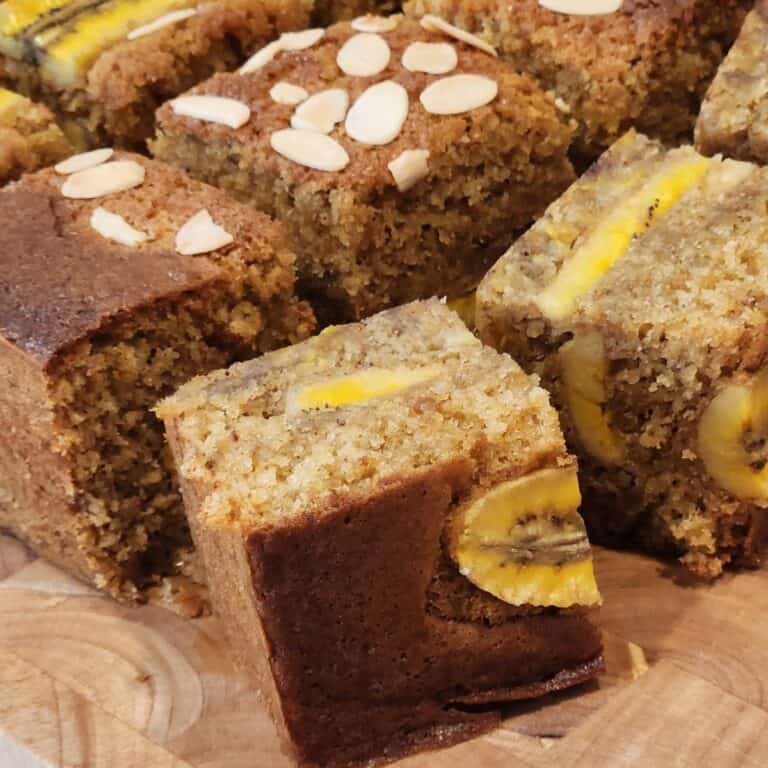
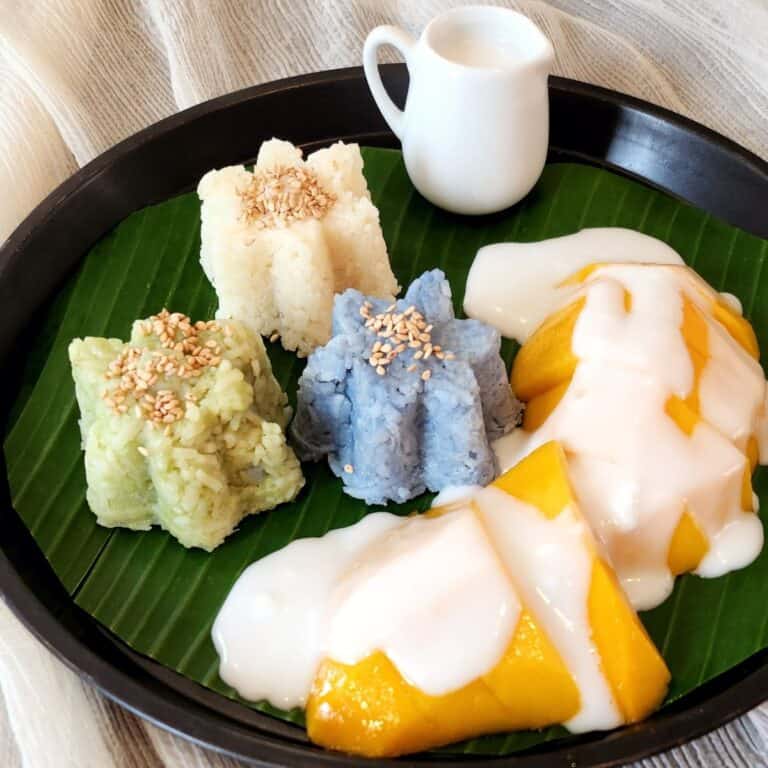
For a relaxed afternoon tea, serve it chilled with traditional snacks like kue awug or kue lumpang. It also pairs beautifully with simple cookies such as coffee bean cookies or banana almond soft cookies for a light, comforting treat. If you’re in the mood for something a little more indulgent, a slice of Taiwanese pineapple cake alongside a glass of chilled turmeric ginger tea is a surprisingly perfect match.
For a relaxed afternoon tea, serve it chilled with traditional snacks like kue awug or kue lumpang. It pairs beautifully with simple cookies such as coffee bean cookies or banana almond soft cookies for a light, comforting treat. If you’re in the mood for something a little more indulgent, a slice of Taiwanese pineapple cake alongside a glass of chilled turmeric ginger tea is a surprisingly perfect match.
When to Drink This
Turmeric ginger tea can be enjoyed any time of day, but it’s especially comforting after meals. The warming spices and light tang make it a great choice after rich or heavily spiced foods, helping you feel refreshed rather than heavy.
It’s also lovely as a mid-afternoon drink when you want something soothing but not too strong. Serve it warm for a calming break, or chilled with ice on warmer days for a refreshing pick-me-up that still feels nourishing.
FAQs about Turmeric Ginger Tea
Turmeric ginger tea is a type of jamu, which refers to traditional Indonesian herbal drinks made from natural ingredients like roots, spices, and herbs. While jamu can vary widely, this tea focuses on turmeric and ginger for a simple, everyday version.
Yes, many people enjoy turmeric tea as a regular drink because it’s light, soothing, and not overly strong. As with any herbal drink, it’s best enjoyed in moderation and as part of a balanced diet.
It can be enjoyed both ways. Serve it warm when you want something comforting, or chill it with ice for a refreshing drink, especially in warm weather.
Fresh turmeric is recommended for the best flavor and aroma, but ground turmeric can be used in a pinch. Keep in mind that powdered turmeric has a more concentrated taste, so use a smaller amount and strain well.
This tea has a mild earthy flavor from turmeric and a gentle warmth from ginger, but it shouldn’t taste bitter when properly balanced. Tamarind and palm sugar help round out the flavors and keep it refreshing.

Storage
Once strained and cooled, transfer the turmeric tea to a clean bottle or airtight container. Store it in the refrigerator for up to 5 days.
For the best flavor, give it a gentle shake before serving, especially if the spices have settled. While the tea can be enjoyed chilled straight from the fridge, it’s best consumed within a few days for the freshest taste and aroma.

Turmeric Ginger Tea
Ingredients
- 1-2 pcs turmeric
- 30 gr ginger
- 30 gr tamarind paste
- 50 gr palm sugar
- ½ tsp salt
- 1000 ml water
- 1 wedge lime
- 5 pcs mint leaves
Instructions
- Finely chop or grate the turmeric and ginger (you can also use a blender). Add them to a pot along with tamarind paste, palm sugar, salt, cinnamon (if using), and water.
- Bring the mixture to a boil over medium heat. Once boiling, lower the heat and let it simmer until the palm sugar and tamarind fully dissolve. Turn off the heat.
- Strain the tea to remove the solids, leaving a smooth, fragrant liquid.
- Lightly crush fresh mint leaves in a glass and squeeze in a wedge of lime. Pour in the turmeric ginger tea and serve chilled with ice cubes.
Notes
- Wear gloves when handling turmeric – Fresh turmeric stains hands, cutting boards, and counters very easily. Wearing gloves will save you a lot of scrubbing later.
- Grate or blend for better flavor extraction – Finely chopping, grating, or blending the turmeric and ginger helps release more flavor into the tea.
- Adjust the spice level to taste – Use more ginger for a stronger, warming kick, or reduce it for a milder tea.
- Don’t oversweeten – This tea is meant to be lightly sweet. Start with less palm sugar and adjust after straining if needed.
- Strain well for a smooth finish – Straining the tea thoroughly removes fibrous bits and gives you a cleaner, more enjoyable drink.




This turmeric ginger tea is a refreshing Indonesian jamu that’s lightly sweet, soothing, and easy to make. Enjoy it warm or chilled for a comforting everyday herbal drink that pairs beautifully with meals or afternoon snacks.