Skip to main content Official Microsoft Blog Microsoft Source Asia Canada Europe, Middle East and Africa Latin America Top News on LinkedIn The Monthly Tech-In For Press
Skip to content

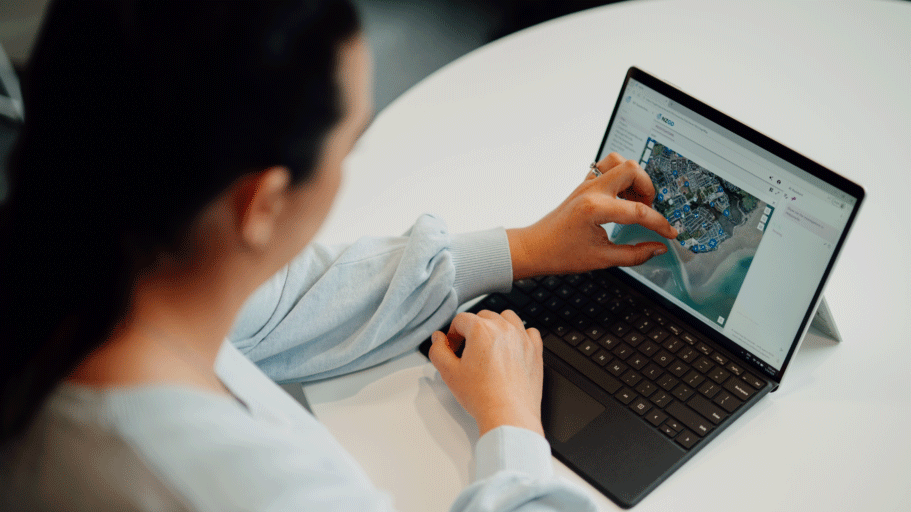
When New Zealand’s underground data meets AI

After the tragic Christchurch earthquake, New Zealand built a geotechnical database to help engineers get complex information on the ground beneath their building sites. Now that data is accessible via the Microsoft Azure-powered digital twin platform BEYON and its AI assistant, enabling engineers to make faster, better decisions.

A solar developer turns to AI to help protect biodiversity

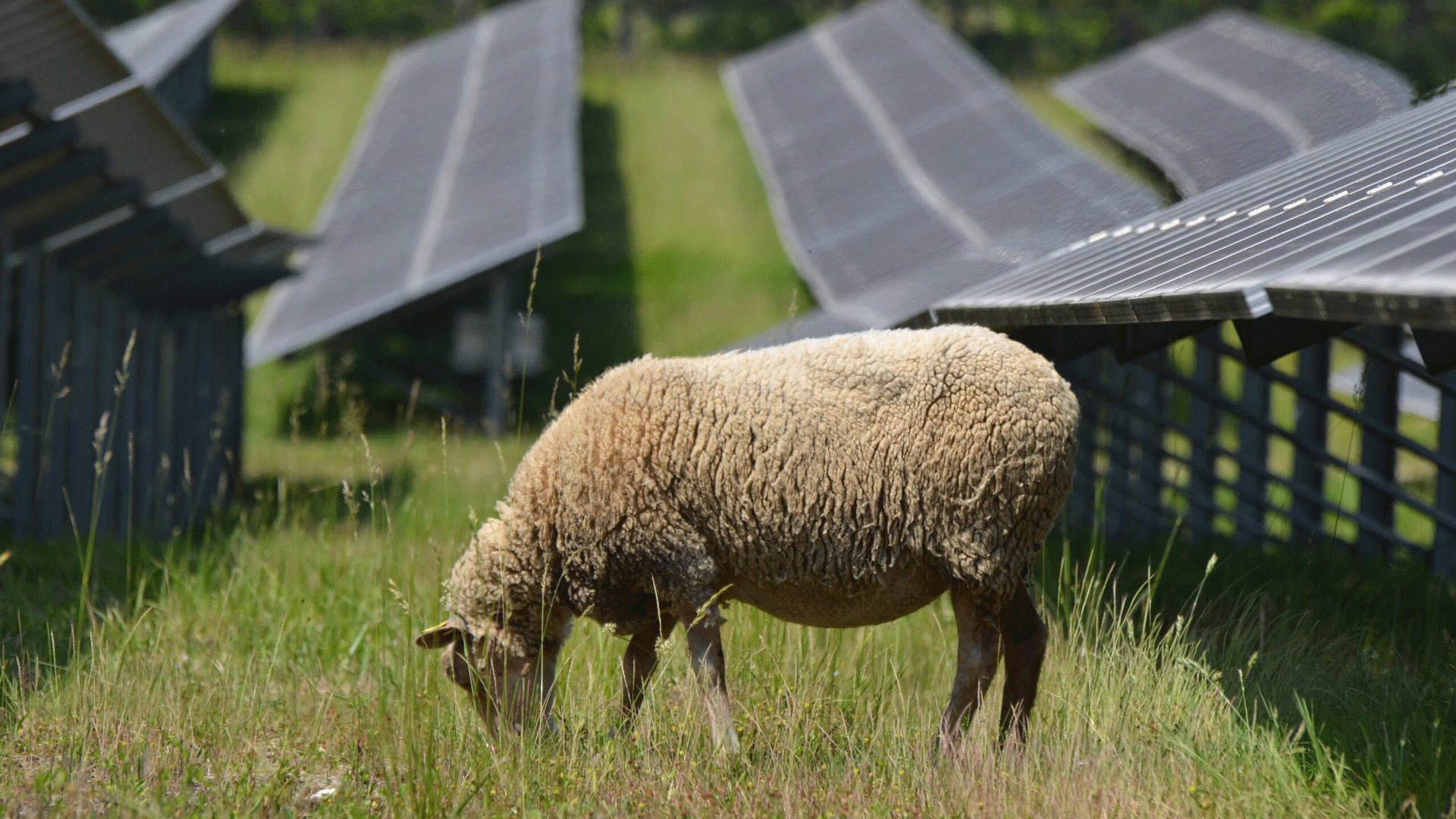
As the expansion of renewable energy accelerates across Europe, solar developers face a dual responsibility: delivering clean energy at scale while protecting local ecosystems. For Urbasolar, the solar division of Axpo Group, biodiversity protection is an integral part of how projects are designed, assessed and approved.

To support this, Urbasolar has developed an internal AI‑powered chatbot that helps project teams and environmental experts better understand, document and protect biodiversity across its solar power plants.

A sheep grazes on green grass in front of solar panels.

The most important work problem leaders can’t see

In the workplace, outcomes rarely hinge on a single decision or team. Patterns that cut across roles, functions and time – unseen while the work is happening – shape end results. By the time these patterns show up in metrics, the opportunity to shape them has already passed.  

But now, AI can track patterns no single person or team could’ve seen on their own. In a new blog, Jared Spataro, Microsoft’s CMO of AI at Work, writes that AI can illuminate the hidden patterns behind decisions, bottlenecks and outcomes, revealing why effort doesn’t always translate into impact.

Magnifying glass highlighting a stylized circuit-board pattern over an abstract data dashboard background.

Quantum computing, decoded

For decades, quantum computing has sounded like a dazzling breakthrough that was always just out of reach — along with its promise of tackling problems like chemical reactions, new materials and complex systems in ways classical computers can’t. That’s starting to change, and with it comes a whole new vocabulary you’ll likely hear more often, from qubits to superposition and entanglement. Here are 10 key terms broken down in plain language to help you join the quantum conversation.

Three abstract quantum-themed icons on a dark blue background: a blue gradient sphere, two interlocking gold and silver rings, and a circular cluster of small yellow and white dots arranged in a lattice pattern.

Building AI that speaks more languages — and listens better

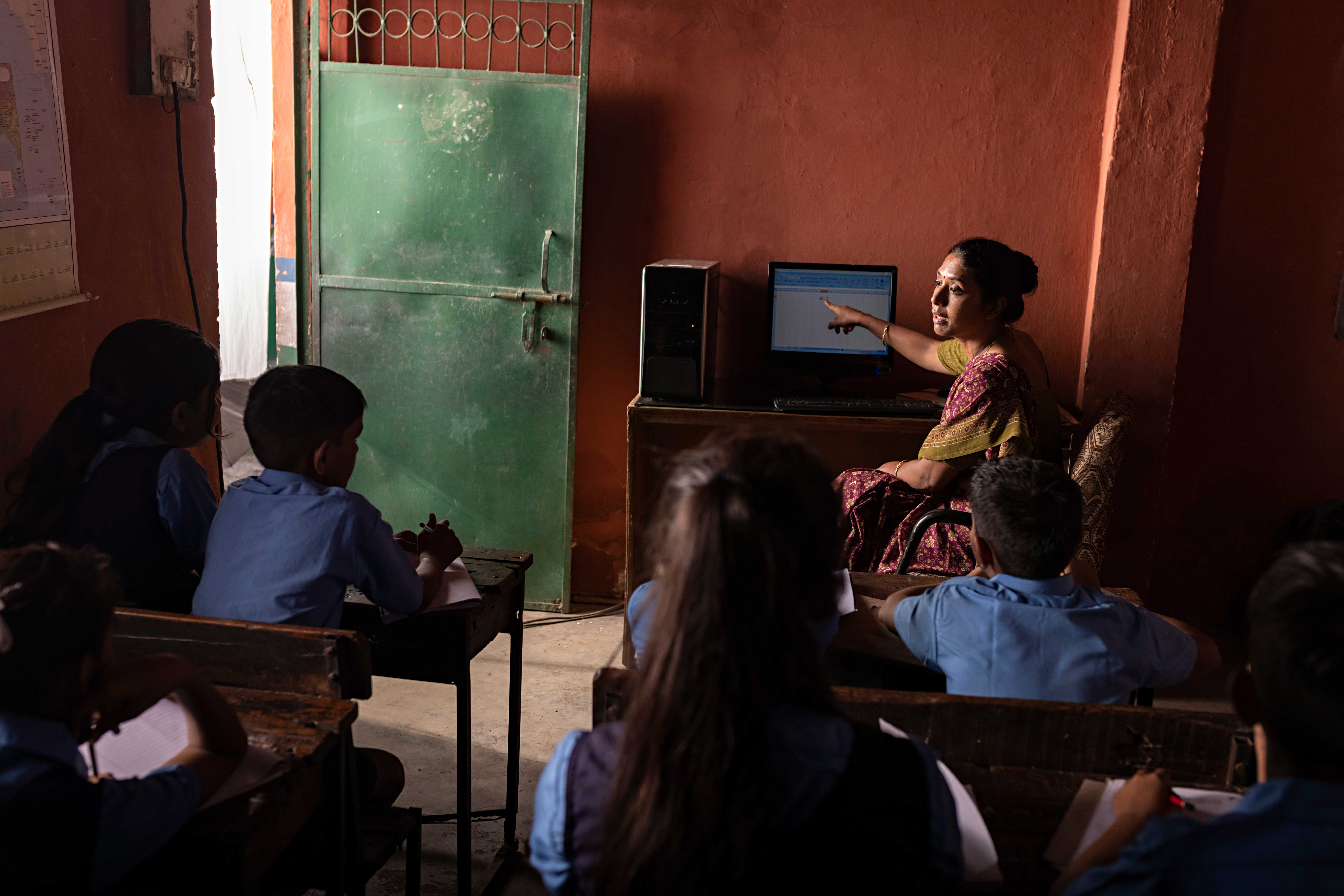
For many people, using AI starts with a workaround: switching into a second language. That’s because English dominates online text, which is what most AI systems are trained on. As these tools become a go‑to way to get help with everyday tasks, that quiet barrier matters more than most of us realize. Microsoft researchers and partners are working to build systems that understand more languages, accents and forms of local knowledge, so AI works the way people actually communicate — not just the way the internet happens to be written today.

Teacher teaching students in a classroom on desktop PC

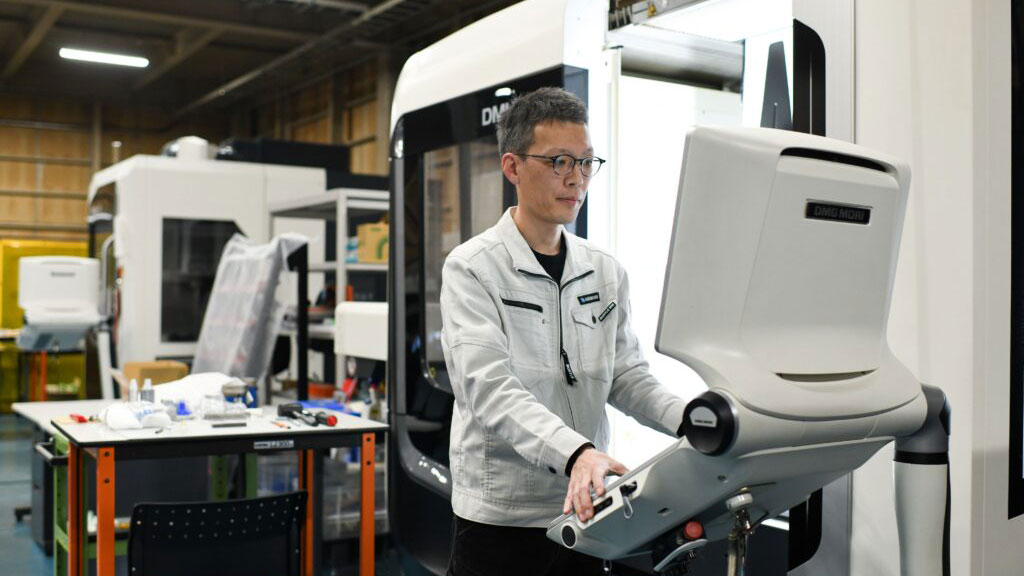
How ARUM Inc is scaling craftsmanship with AI

ARUM Inc is turning decades of Japanese machining expertise into software, and fully automated machining centers. Precision parts can now be crafted by junior workers, thanks to AI. And more guidance will come from KAYA, a prototype conversational AI built with Azure AI Speech and Azure OpenAI in Microsoft Foundry.

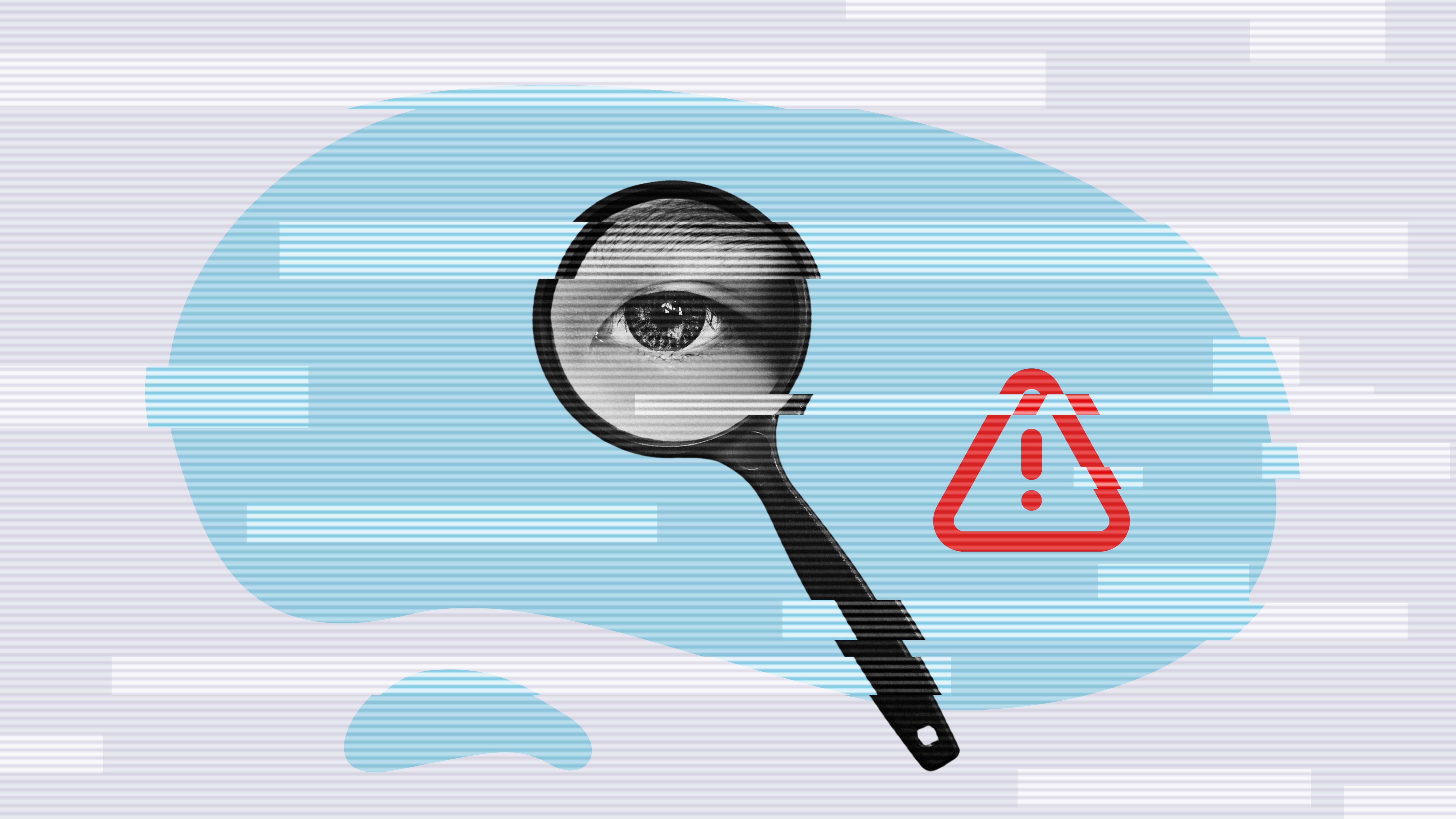
A new study explores how AI shapes what you can trust online 

You see it over your social feeds: Videos of adorable babies saying oddly grown-up things, public figures making wildly uncharacteristic statements, nature photos too far-fetched to be true. In the era of AI, seeing isn’t always believing.

A new study evaluates today’s methods for determining what’s authentic or manipulated, as well as their limitations, to help people make more informed choices online.

magnifying glass eye with warning symbol on digital cloud

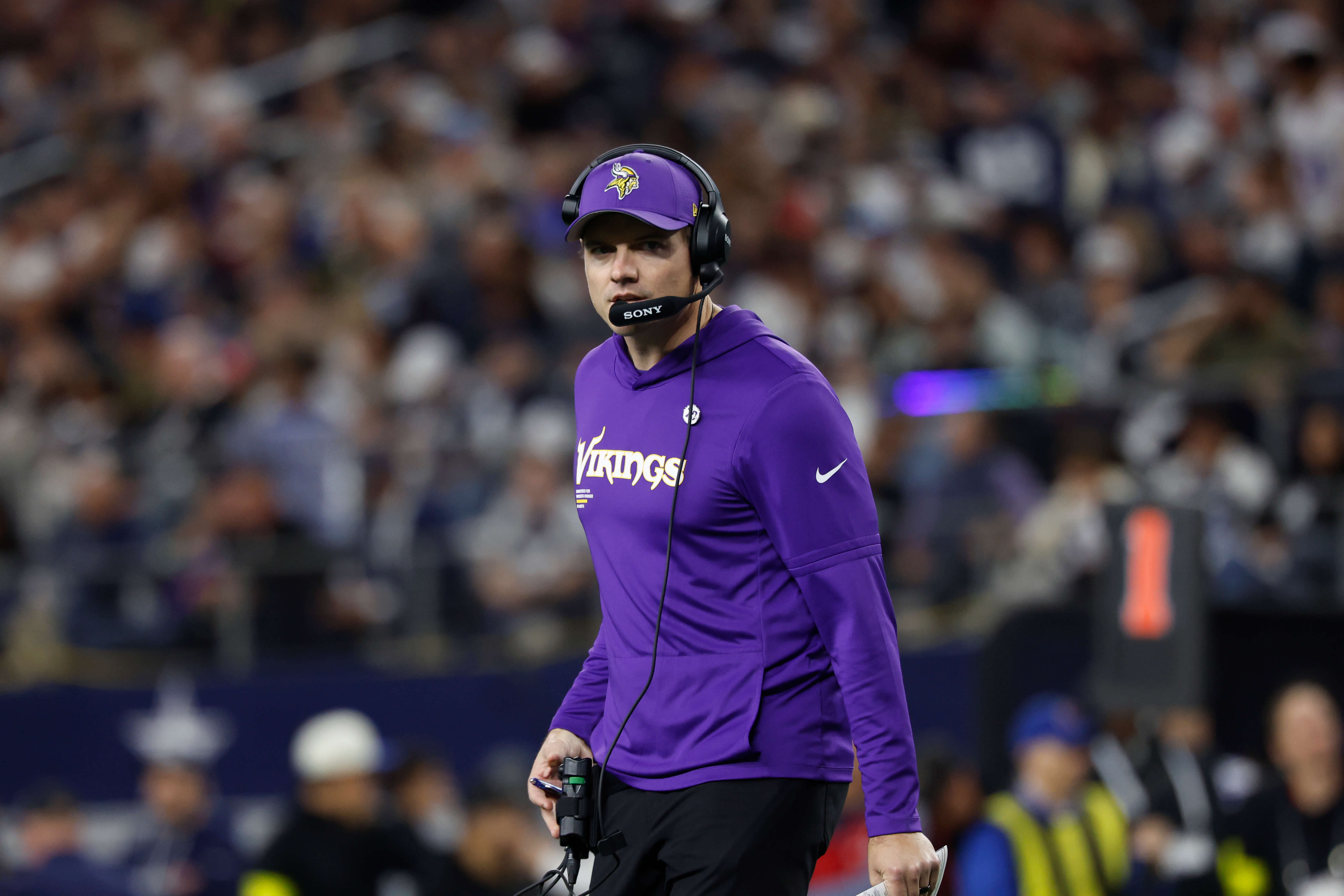
How technology could help the Vikings build next year's ‘winning edge’

Each of the 32 teams in the National Football League has the same goal: to win a championship. In a league where every yard matters, teams are searching for any possible advantage they can employ to get ahead of their opponents.

For the Minnesota Vikings, who fell short of the postseason in 2025 but have high hopes for the upcoming campaign after finishing with five straight victories, player evaluation, free agency and the NFL Draft are critical elements of the offseason.

In assessing what happened last season and analyzing what steps they should take to make a championship push, the entire Vikings staff — from coaches to scouts to the front office — is using technology as a key component of its evaluation. Fortunately, the team has a powerful tool at their disposal to help with the process.

A coach in a purple Vikings shirt and headset stands on the sideline during a football game.

Opening digital markets so AI can shop — and negotiate — for you

Imagine a world where you have a digital assistant that can do more than just respond to your questions in a chat. In this future, you could send your assistant out to a digital marketplace to order your groceries, book a flight, or even negotiate the terms of your apartment lease.

These AI-powered agents could interact with agents from companies on your behalf and advocate for you — all without you needing to lift a finger.

That future isn’t just for the world of science fiction. In a paper published Thursday, Microsoft researchers say this kind of open agentic economy is the most beneficial way for AI to move forward, maximizing opportunity for both businesses and individuals.

Glowing digital cube with a shopping cart icon on a circuit‑board background.

Using tech, data and empathy to recruit and support foster families

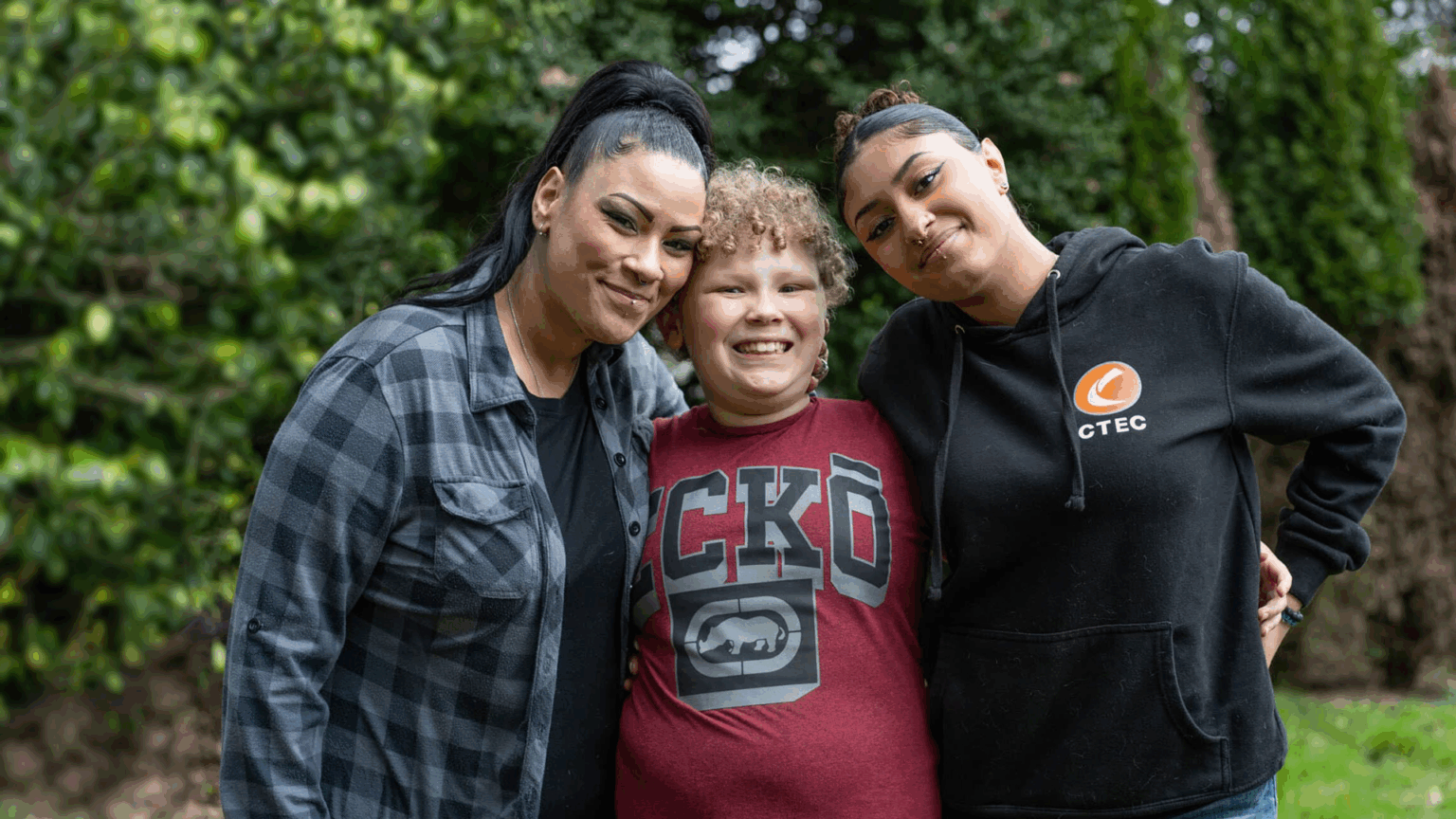
Ben Sand tried for years to recruit foster families in Oregon – through booths at farmers markets, presentations and endless coffee meetings – with little success. That all changed when his nonprofit organization, The Contingent, collaborated with Microsoft to build a solution using data, analytics and digital marketing to identify prospective foster families and volunteers. The organization has now mobilized over 10,000 prospective foster parents and 40,000 volunteers across three states.

Three people standing close together outdoors, with their arms around one another, posing for a group photo.

Scaling carbon dioxide removal: Microsoft’s push from farms to oceans

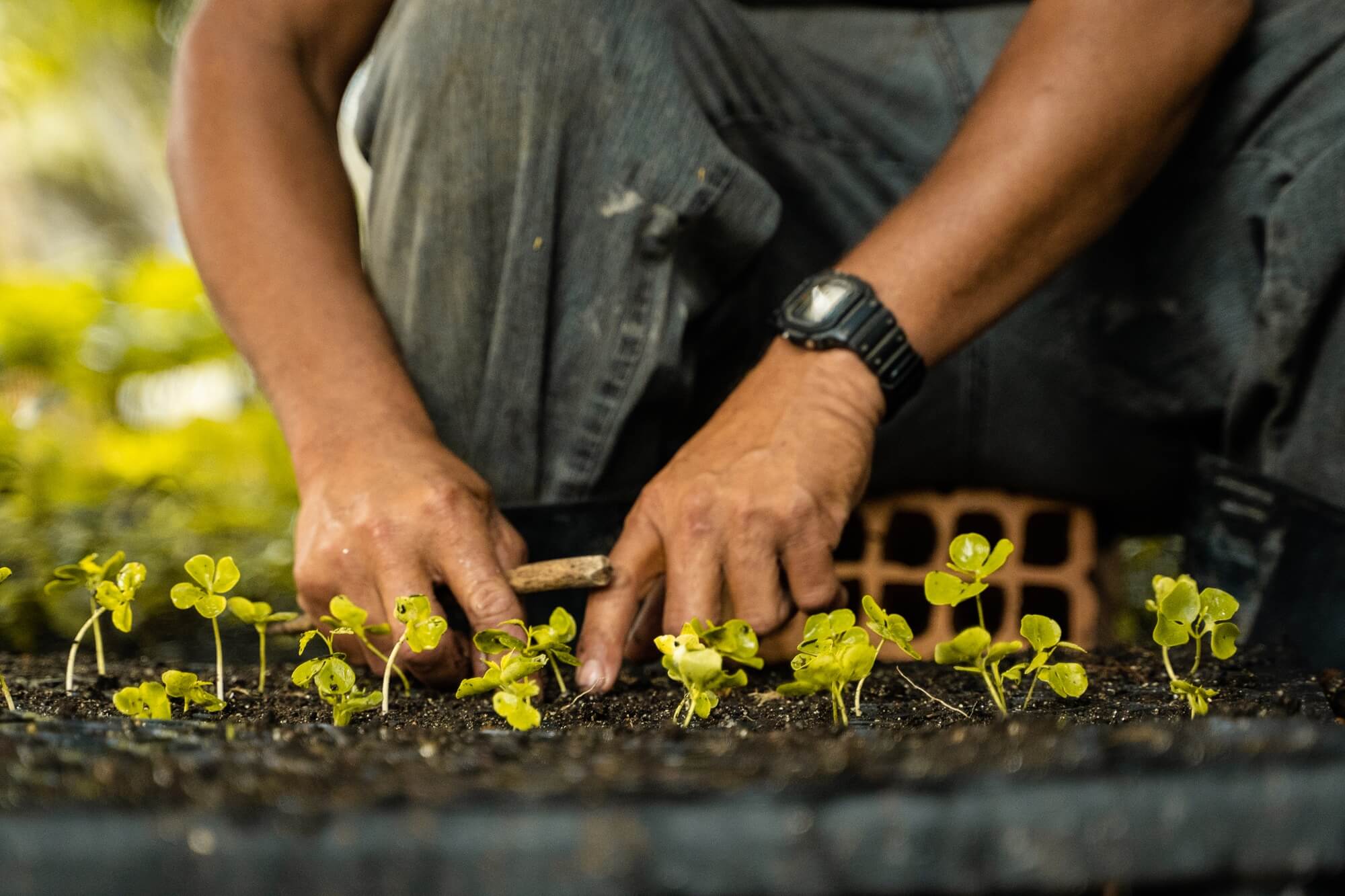
Growing awareness of the harms of excess carbon dioxide in the atmosphere has spurred scientists to develop increasingly sophisticated methods for removing it and storing it safely – in soil, geologic formations, in trees and in the ocean. Microsoft is providing its support to help build a market for these science-based solutions at scale. Read more on Microsoft Source about how these firms are pioneering new technologies to help address global climate targets.

A person works on small green plants in the dirt.

4 things higher ed can do to lead in AI era

Higher education isn’t just a player in the age of AI, it needs to lead the way. A key way to do this, Juan M. Lavista Ferres, leader of Microsoft’s AI Economy Institute and AI for Good Lab, says, is by making AI literacy a core requirement while remaining true to its longstanding mission. Read on for Lavista Ferres’ four moves that he believes higher ed needs to make, ASAP.

Graduate raising diploma at sunset

Microsoft teams up with Zendawa to help small pharmacies

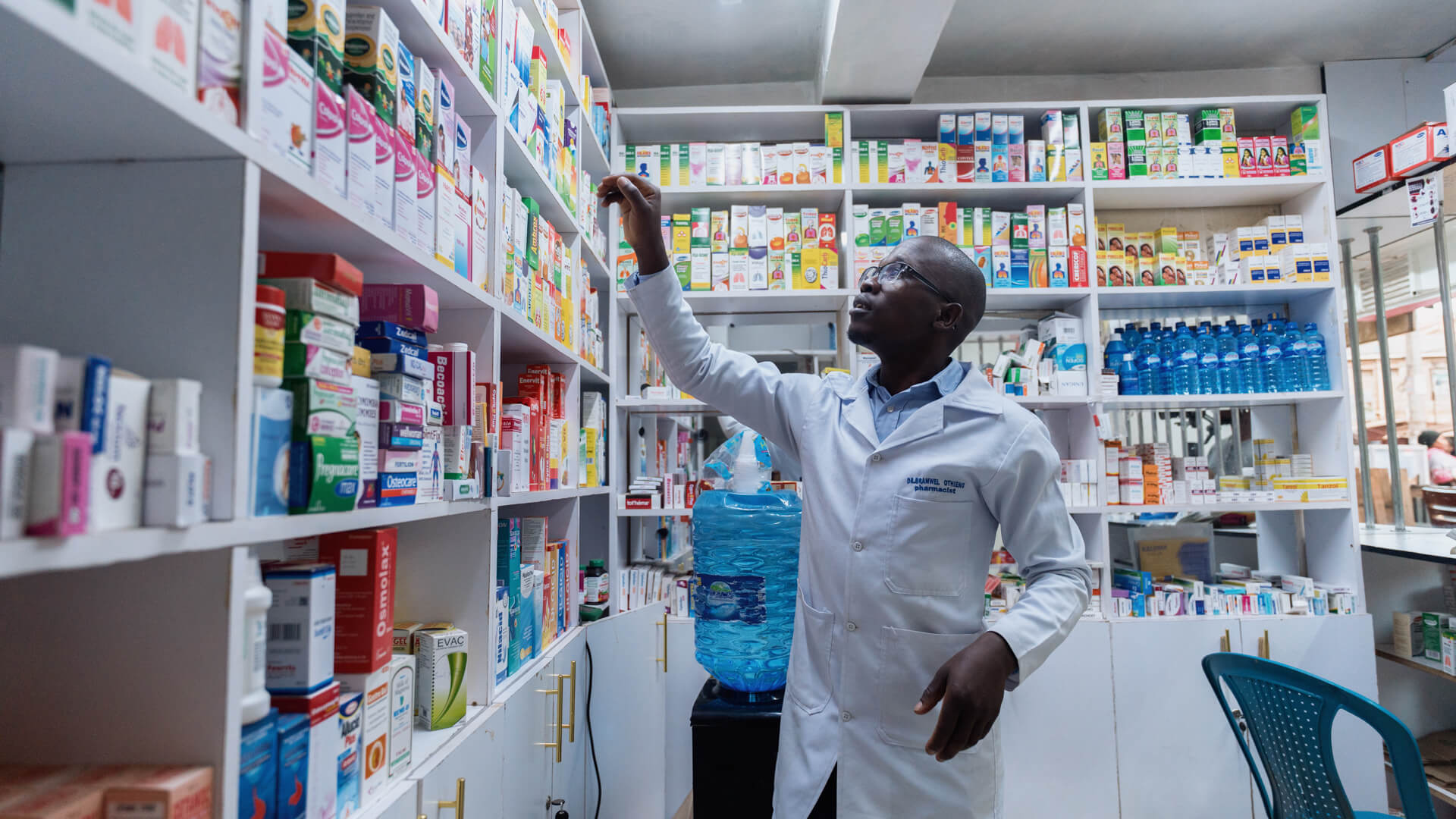
AI platform Zendawa is modernizing Kenya’s neighborhood pharmacies by cutting drug waste, streamlining inventory and unlocking access to credit. Built with Microsoft technologies including Microsoft 365 Copilot and Power BI, it turns everyday pharmacy data into real‑time business intelligence, helping small pharmacies operate more efficiently on razor‑thin margins.

Person in a white lab coat reaching for medicine on a shelf in a pharmacy stocked with various boxes and bottles.

4 ways AI is reshaping discovery, health, work and responsibility

As AI becomes part of everyday life, its impact is increasingly showing up in concrete ways: in how scientists approach discovery, how doctors make decisions, how questions of accountability and inclusion are addressed and how work gets organized.

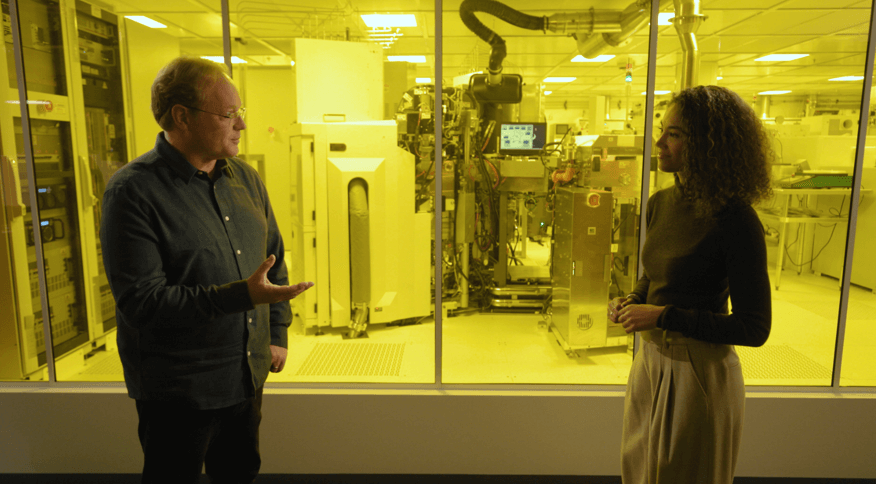
In the On Second Thought video series, futurist Sinead Bovell speaks with four Microsoft researchers and subject matter experts working directly in these areas.

A man and woman stand in front of a window.

When AI meets neurodiversity at work

Generative AI is helping professionals with ADHD, dyslexia and other differences turn obstacles into advantages. Tools like Copilot help manage things like emails and calendars to cut through cognitive clutter. A growing wave of neurodivergent employees point to tangible gains from AI: lower anxiety, clearer communication and more inclusive design that benefits everyone.

Hands typing on a laptop with glowing email icons floating around.

In Kenya, refugees map their own future with AI

In the arid expanse of northwestern Kenya, the Kakuma refugee camp has grown into a sprawling community of more than 300,000 displaced individuals. For years, the camp’s maps were severely outdated  hindering aid delivery, infrastructure planning and emergency response. But now, the community has partnered with Microsoft’s AI for Good Lab and the Humanitarian OpenStreetMap Team to map their camp using drones, community tagging and open‑source AI. The project works  to identify buildings and services, as well as power networks, turning local knowledge into vital spatial data that supports long-term planning. 

Children standing by a weathered sign for the Kakuma Refugee Camp.

Beyond one-size-fits-all treatment: AI and the precision treatment of disease

AI may finally learn the language of biology — and if it does, that could open the door to true precision medicine. At a recent event in a packed Cambridge brewery, Microsoft researcher Ava Amini explained how generative models could read cells, design new proteins and move beyond today’s one‑size‑fits‑all treatments. Early results are promising, but capturing real biological diversity remains the biggest obstacle. Read on to see what Amini says about the field’s rapid progress and remaining challenges.  

A DNA double-helix shape made of dense green foliage and small yellow flowers, set against a solid light-green background.

5 insights for entrepreneurs from Microsoft CTO Kevin Scott

This moment in the era of AI provides a unique opportunity, according to Microsoft CTO Kevin Scott. At a recent gathering of entrepreneurs in San Francisco, Scott explained that powerful new tools, low experimentation costs and untapped model capabilities are just waiting to be unlocked. Read on to see what Scott says founders should be doing to seize this historic moment. 

Two people speaking onstage in a seated panel discussion.

India’s informal workers eye better jobs, with help from AI

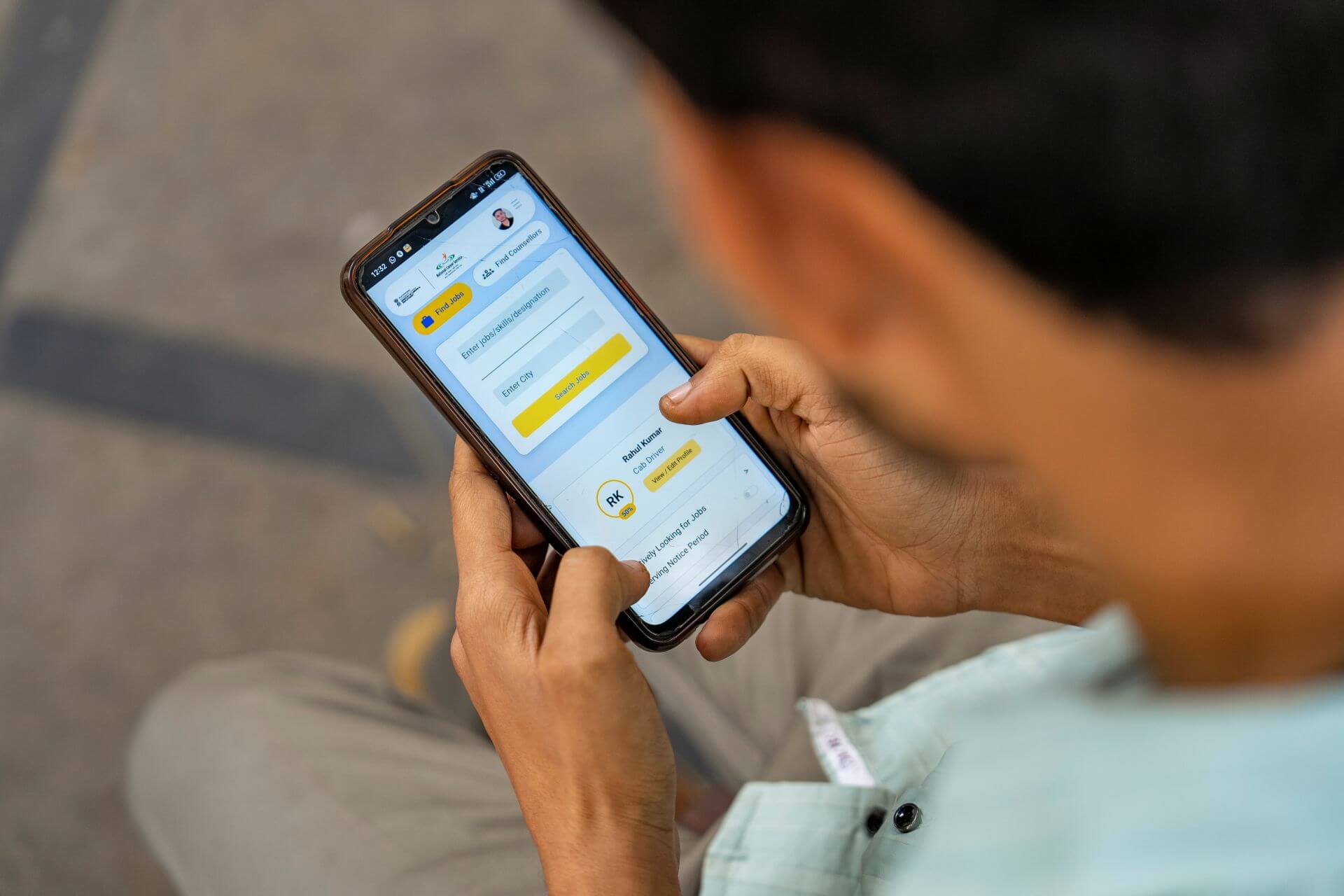
More than 300 million informal workers on India’s e-Shram database now have a shot at better jobs, thanks to AI. Access to tools like a resume builder and skills gap analyst powered by Microsoft’s Azure OpenAI Service helps them shift to the formal sector, which promises regular hours and social security.

Person holding a smartphone showing an app screen with OTP entry and verification options.

Kilimo turns data and AI into water savings

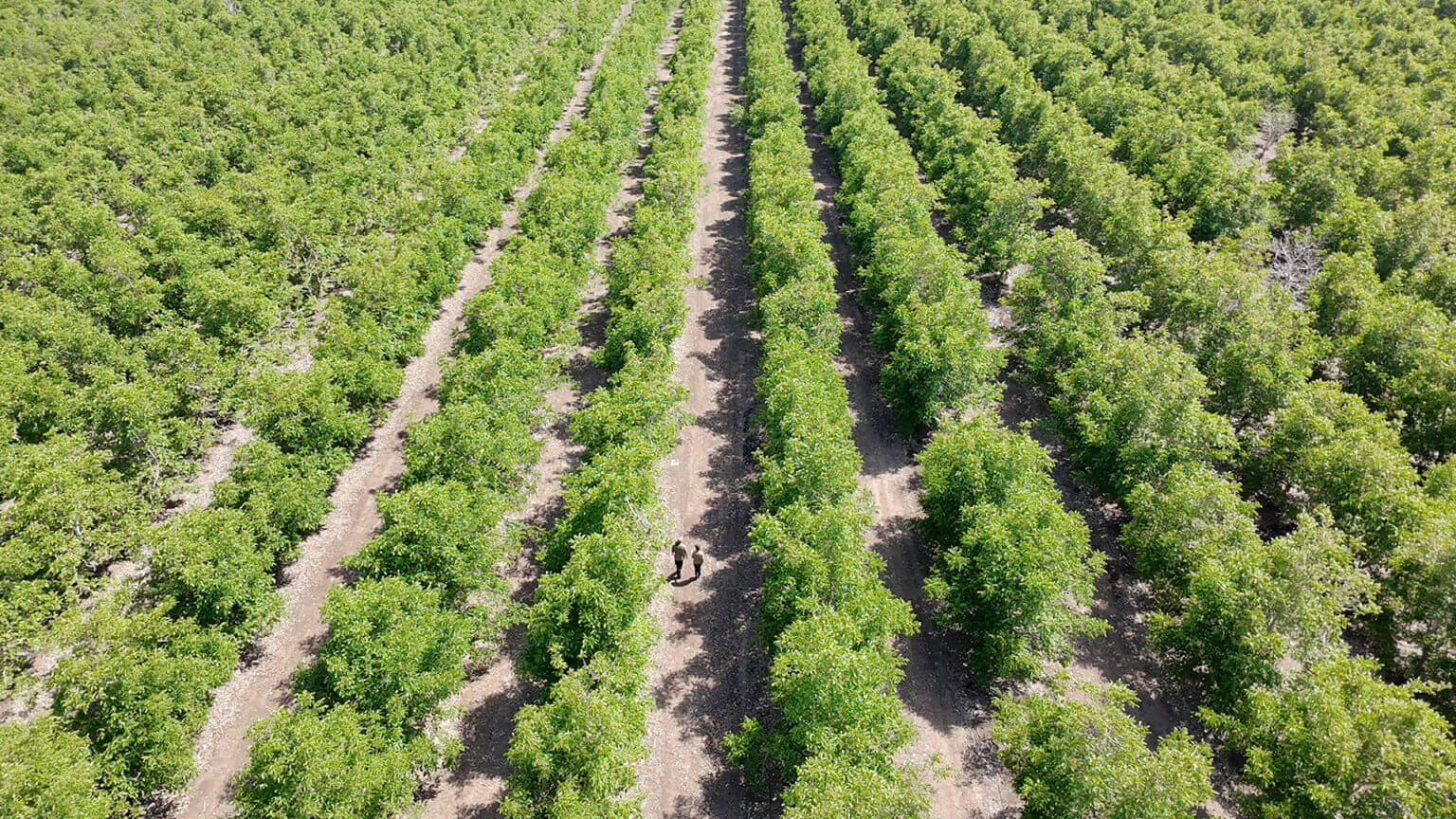
In Chile’s drought-battered Maipo Basin, Kilimo’s data-driven and AI powered water platform is reshaping the rules of farming. By blending satellite data, agronomist know-how and Microsoft Azure, Kilimo helps farmers slash water use. The result is more than 74 million cubic feet of water saved — enough for 10,000 Santiago homes. It has become precision agriculture with real impact, farmers say, and a blueprint for water stewardship around the world.

Rows of green trees in a large orchard with two people walking along a dirt path.

The year AI becomes your teammate, not just a tool

AI is about to level up in 2026, moving from experimental sidekick to true collaborator. Experts predict a year when people and AI team up in surprising new ways. Curious what’s next? Dive into the seven trends set to define the year and discover why the smartest move isn’t competing with AI, but learning to work alongside it.

Abstract blue gradient background with geometric shapes and circular icons representing technology themes, including a microchip, stethoscope, handshake, lock, code symbol, and lab flask.

An AI leap in the Italian Alps puts the citizen first

By combining data across departments and making it easy to share with citizens via an AI companion, Italy’s Bolzano Province and Microsoft are turning an old bureaucratic paradigm on its head.  A “one-stop shop” web portal puts citizens first, with an AI companion to provide answers and bring help from the government.

Sunlit mountain scene with a small stone church and a rustic lodge on a grassy slope, surrounded by hazy peaks in the distance.

Work securely with Genspark’s AI assistants, now on Microsoft Agent 365

Move on from chatbots, there’s a better way of working with AI, says Mainfunc co-founder Eric Jing. His Genspark super agents can be prompted directly, in natural language, to edit videos, create slides, even make restaurant reservations. And now, these agents can be discovered and managed with Microsoft Agent 365, the control plane for digital assistants.

People collaborating with Microsoft Surface devices against a tech-themed background with security and productivity icons.

How Brazil is shaping the future workforce with AI training

Around 2.5 million Brazilians have taken advantage of the chance to learn how to use AI through a new Microsoft initiative, announced in September 2024, called ConectAI. Working in collaboration with the Brazilian government, ConectAI aims to help skill 5 million Brazilians to use AI by the end of 2027 through free online courses covering everything from AI fluency and digital literacy to more advanced technical skills.

A woman in glasses hugs a young student wearing a backpack in front of a school.

How Project Gecko is rewiring AI for local languages and global impact

Generative AI powers apps and tools that help millions of people get things done faster and smarter, but it doesn’t serve everyone equally. Communities that aren’t well represented online often get left behind because most AI models learn from internet data. That means performance drops in many languages and cultural contexts, as well as in places where less-developed infrastructure makes access harder.

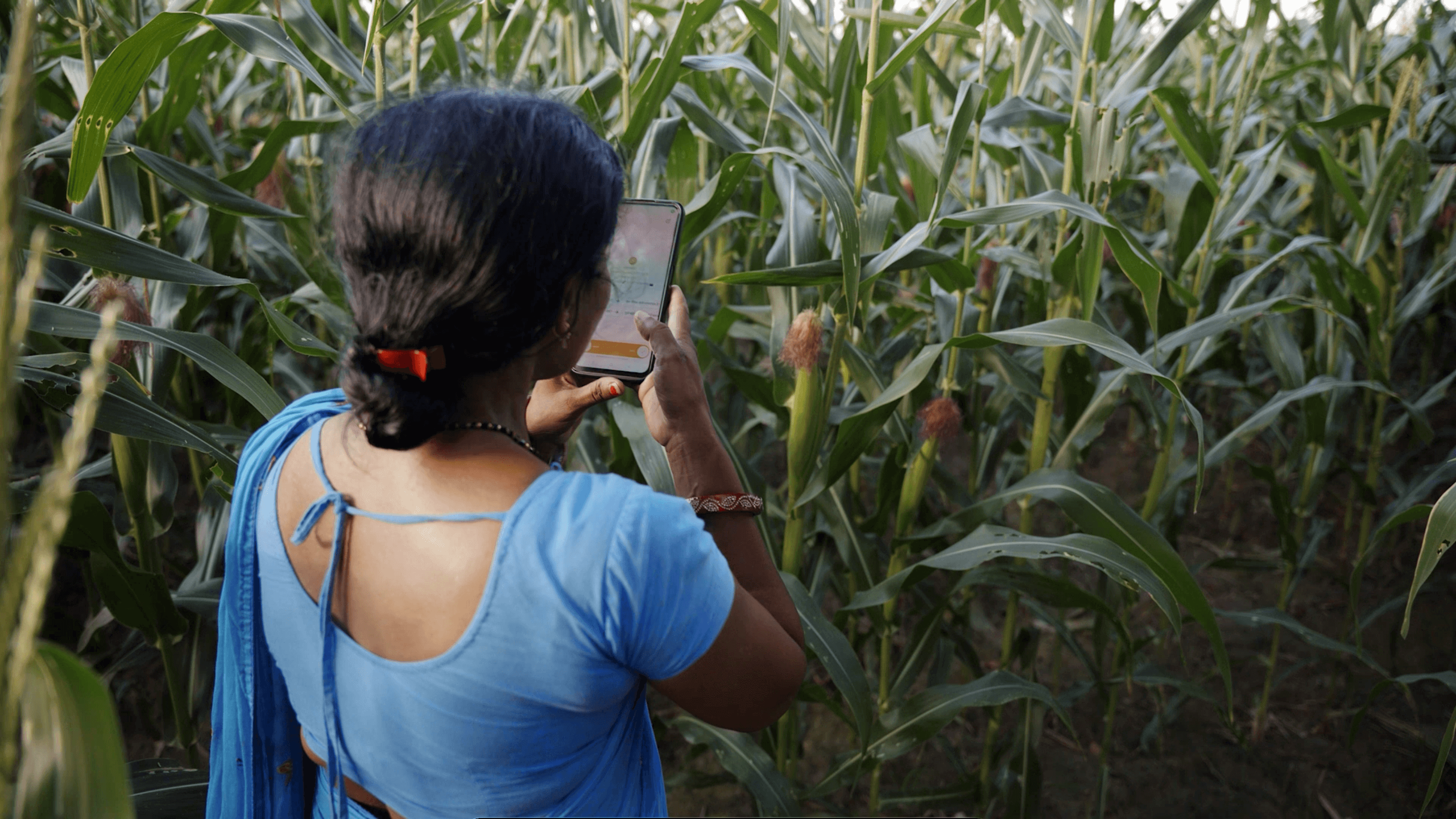
Project Gecko, led by Microsoft Research, aims to close those gaps so everyone — from farmers in Kenya to rural housewives in India — can tap into affordable, adaptable AI. These tailorable systems deliver vital expertise in local languages, with culturally relevant content and multiple modes including text, voice and video. Learn more on the Microsoft Research Blog.

Person in a blue sari using a smartphone in a cornfield.

From saving water to sharing heat, datacenter innovations aim for sustainability

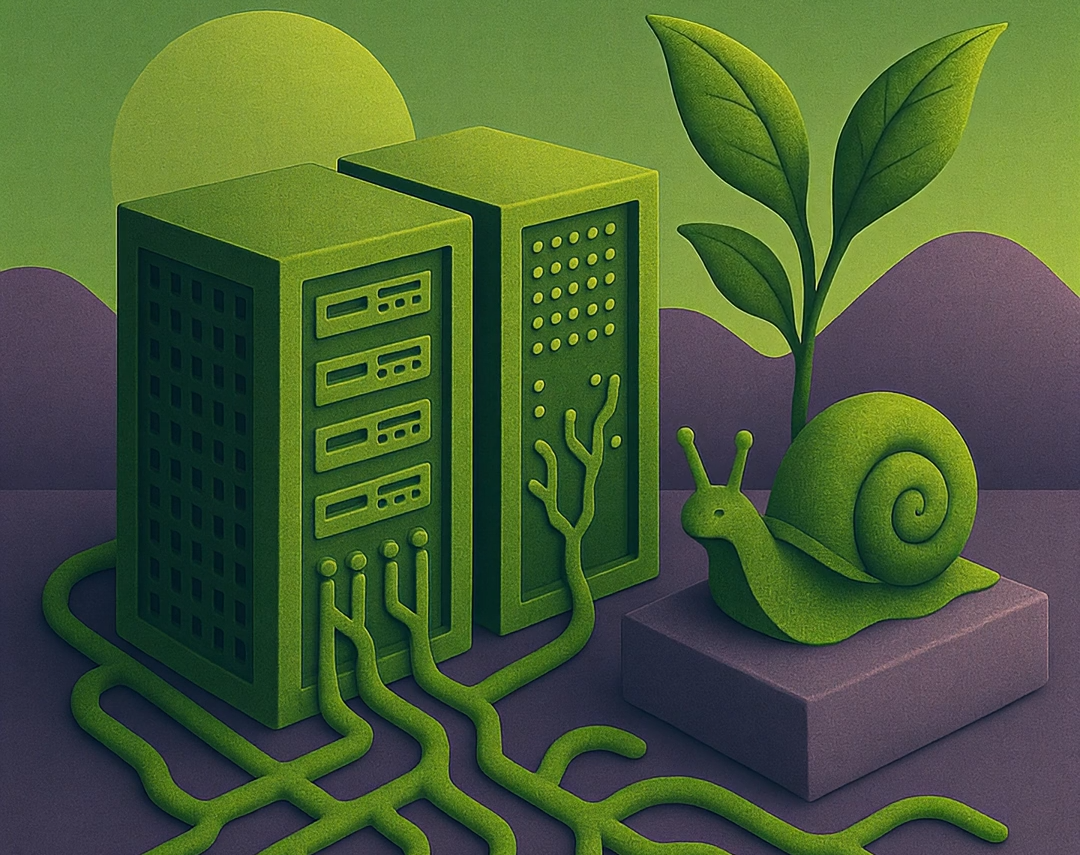
What if each time you sent an email, some of the energy used went to heating your home? Or that the place that hosts your video calls is also helping synch renewable energy to the power grid?  At each datacenter it builds, Microsoft looks for creative ways to meet its goals to be carbon negative, water positive and zero waste. Read on for some of the innovations now in play.
Green server towers with root-like cables, a snail on a purple platform, and a plant under surreal green sky.

Meet some trailblazers joining a wave of AI innovation at Microsoft

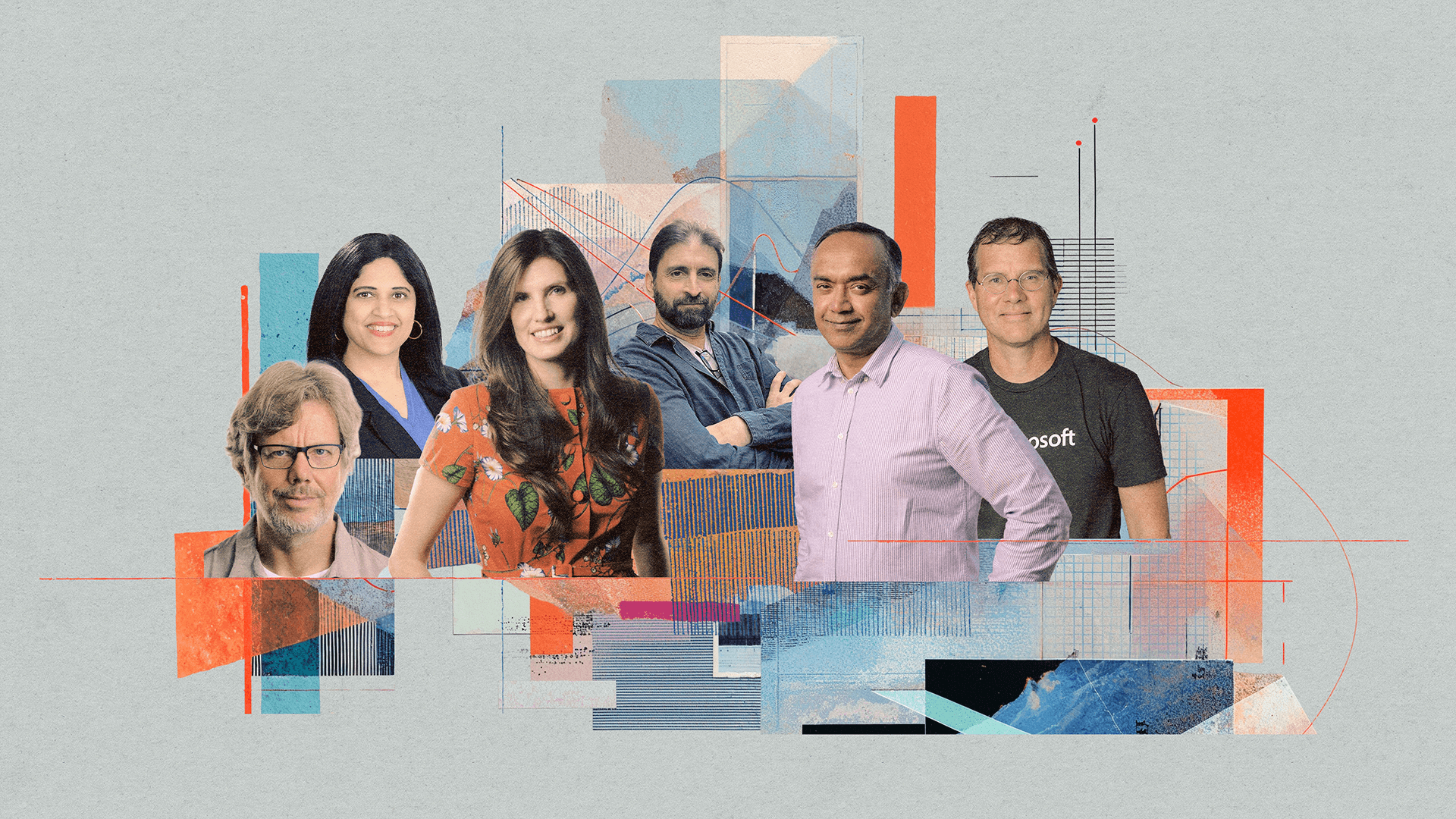
From the inventors of Python and RSS feeds to the creators of Google Docs and Lens, some familiar names — and plenty of unsung innovators — are working together at Microsoft to shape how AI can help us all. Their journeys show how fresh perspectives, deep experience and a commitment to responsible technology are driving new ideas and practical solutions for developers, business and anyone looking for smarter ways to work and live. 

Six professionals stand against a backdrop of data visualizations and geometric shapes, evoking themes of tech and innovation.

Satya Nadella: AI is not a trend but ‘a new way of working’

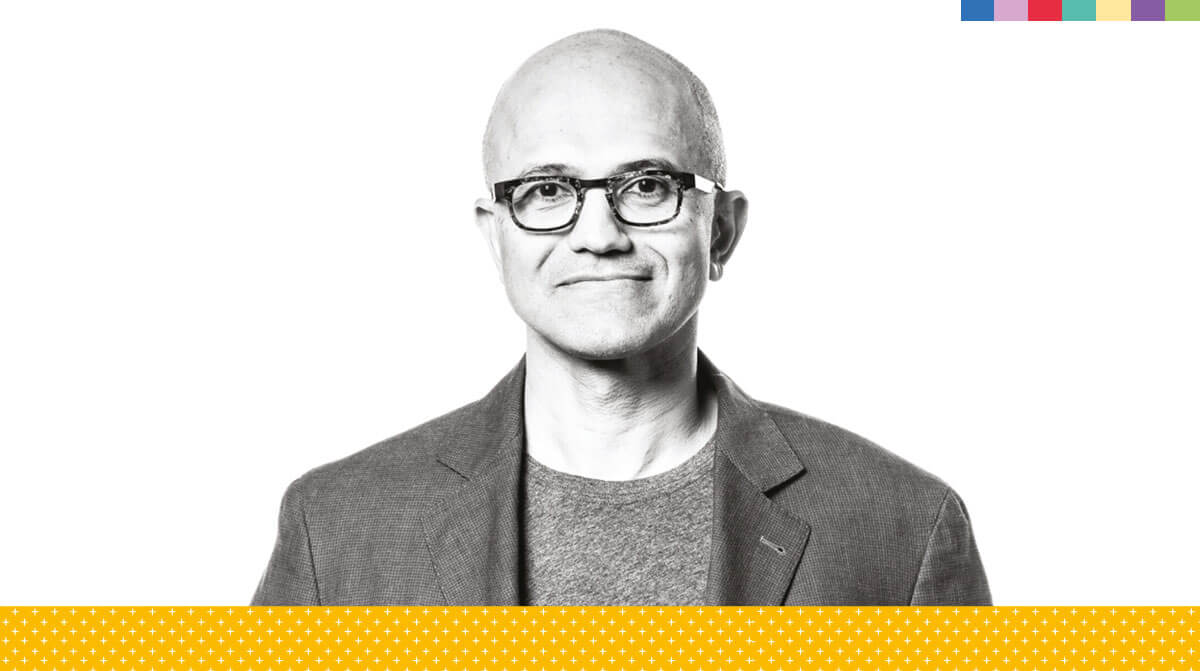
AI is reshaping knowledge work — not just how we compute, but how we create, decide and scale. In an interview, Microsoft Chairman and CEO Satya Nadella says he uses AI throughout his day and discusses how digital platforms will help enable execution, reduce toil and unlock scale — and he emphasizes the importance of leaders creating clarity and investing in systems that help workers innovate. Read more of his conversation with Marcus Fontoura, a Microsoft technical fellow and Azure CTO, from Signal magazine.
a black and white photo of microsoft chairman and ceo, satya nadella.

Copilot lands at First West, slashes busywork for 1,300 employees

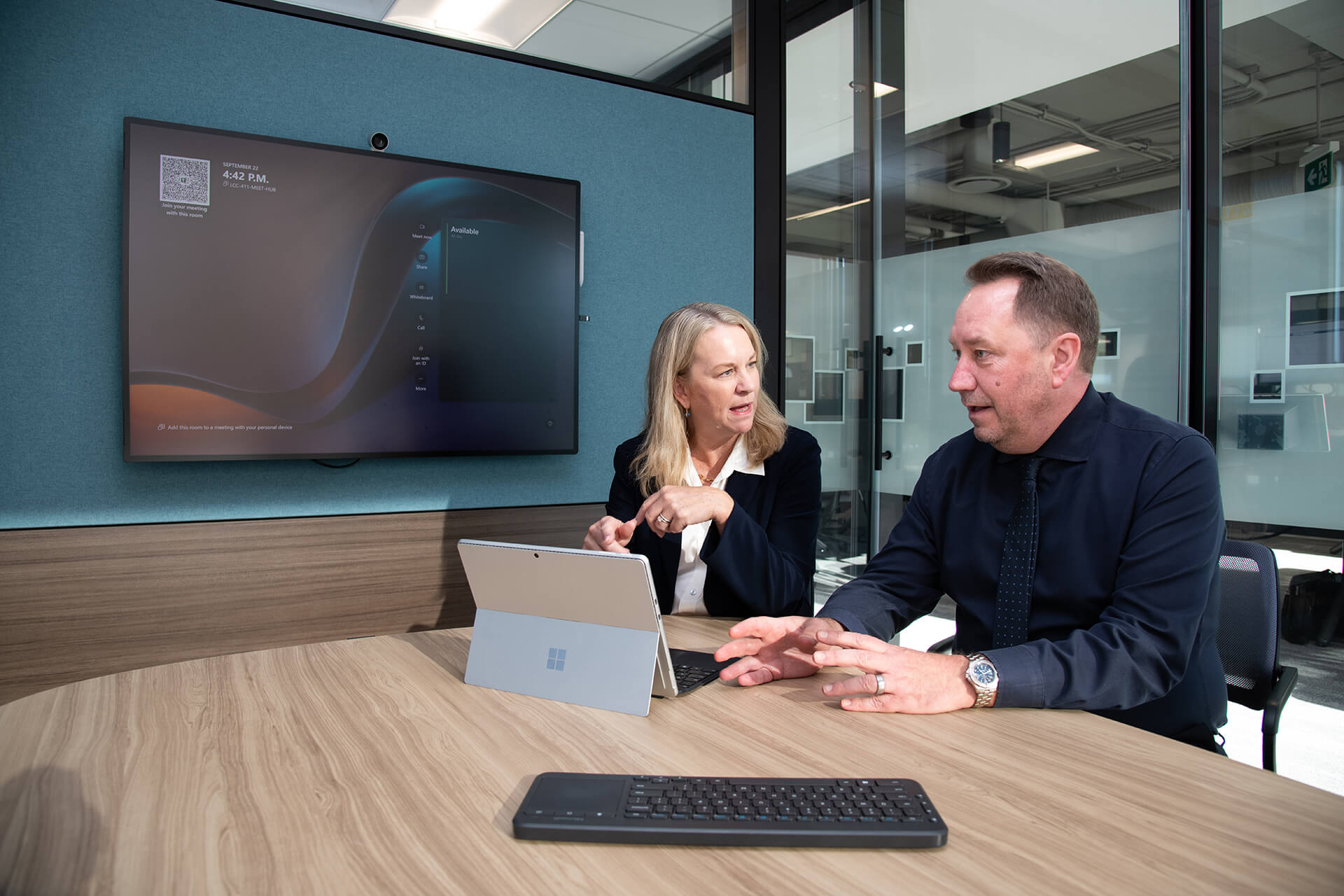
Microsoft Copilot helps office workers work smarter — summarizing meetings, drafting emails and surfacing insights across apps. At Canada’s First West Credit Union, all 1,300 employees now use it to prep faster and offer tailored financial advice — freeing up time for real human connection. 

Two people in a modern office discuss work at a round table, with a Surface device, wireless keyboard, and large wall-mounted screen displaying a digital interface.

Japanese creators bring heart and detail to new Xbox devices

Legendary Japanese game developers are blending their signature craftsmanship and storytelling with the latest Xbox handheld technology. See how studios like Square Enix and Team NINJA are expanding the boundaries of play, bringing iconic franchises to new audiences and devices — while honoring the artistry that has shaped gaming for generations.

A screengrab of a video game. A male character kneels holding a large sword.
English (United States)
Your Privacy Choices Opt-Out Icon Your Privacy Choices
Consumer Health Privacy Sitemap Contact Microsoft Privacy Manage cookies Terms of use Trademarks Safety & eco Recycling About our ads