
Books & Audiobooks
Group of kindergarten kids learning gardening outdoors
Discover All You Can Grow at the Library
As part of our focus on helping the community build environmental literacy skills, we’re excited to introduce new initiatives at the library that provide opportunities for people of all ages to learn more about food production and food sustainability along with increased awareness around caring for the environment.
We invite you to take part and discover more about:
-
 Environmental Literacy
 -
 Food Security
 -
 Community Building
Seed Library
NOW AVAILABLE AT ALL WPL LOCATIONS
Our Seed Library is an opportunity for customers to take seeds home and grow their very own garden. WPL’s seeds include vegetables, herbs and flowers that encourage native pollinators.
As part of our Get Growing initiative, we want to take environmental literacy, food literacy and sustainability off a printed page, and into your home. Contribute to our sharing economy by harvesting seeds at the end of the planting season and bringing them back to the library to be shared with our community next year. You can also learn more about how planting impacts pollination, keeping our bees thriving, through planting and gardening resources and programs at WPL.
Person holding basket with freshly picked vegetables.
Seed Library FAQs
-
How many seed packets can I take?
There is a maximum of 5 seed packets per household.
This limit does NOT apply to community harvested seeds.
-
Where can I get the seeds?
-
Where did WPL get the seeds for the Seed Library?
-
How will I know how to plant my seeds? Do they need to be planted early or in special conditions?
Seed Library Seeds
Planting instructions for Seed Library seeds can be found below under Seed Information. These seeds have been selected and prepared by library staff, and can be planted following the instructions provided – no special preparation is required.
Community Harvested Seeds
You may also wish to take come some community‑harvested seeds, which were generously donated by library users from their own gardens. These seeds have not been fully vetted, and detailed planting instructions are not provided. Because of this, some community‑harvested seeds may need to be planted early or treated in special ways.
For example, some seeds – especially certain native plants – require cold moist stratification, a process that mimics winter by keeping seeds cool and slightly damp for a period of time (often 30, 60, or 90 days) before planting.
If you are taking community harvested seeds, we recommending doing some basic research using the plant name to learn more about its specific planting needs. Staff can assist in this process if you need help.
-
What seeds do you have available in the Seed Library?
We have a selection of herbs, vegetables, fruits and flowers. The full list of items can be found below in our Seed Information accordion.
Seeds are available on a first-come, first-served basis. Not all seeds are available at all locations.
Each location will also have a selection of community harvested seeds for customers to browse and take.
-
What are community harvested seeds? How are they different from seeds in the Seed Library?
Community harvested seeds were collected by members of our community from their personal gardens. Seeds in the Seed Library come from trusted sources such as seed companies and local greenhouses and are therefore more consistent in quality, while community harvested seeds results may vary more in variety and growth. Community harvested seeds offer a fun opportunity to experiment, share, and see what grows.
If you are taking community‑harvested seeds, we recommend doing a quick online search using the plant name to learn about its specific planting needs.
-
What is companion planting?
Companion plants are plants that grow well together. Plants can help each other by repelling insects, providing needed nutrients in the soil and providing physical support or shade for other plants. One classic example is The Three Sisters: corn, beans and squash. Planted together, the three sisters yield far more veggies than when they’re planted separately. Our seed varieties were selected with companion planting in mind to help you make the most of your garden.
You can find more information on companion planting from the following websites:
-
How do I harvest my own seeds?
Saving seeds and returning them to the seed library will help keep our collection sustainable and creates a sharing culture in our community. You will also help to preserve seed lineage and promote biodiversity.
Tips for Seed Harvesting
- Choose seeds from the strongest, healthiest plants that are open-pollinated (naturally pollinated) by insects, wind or other natural means. Avoid harvesting seeds from hybrid varieties.
- Seeds with pods or husks can be left to dry on the plants before picking out the seeds. Seeds should turn brown and brittle before harvesting. For example: broccoli, beans, peas, radish, carrots, and lettuce.
- Wet seeds should be washed and dried, turning regularly to discourage mold growth. For example: tomatoes, cucumbers, squash, pumpkins, melons, zucchini, peppers and watermelons.
- Store in a cool, dry place.
Find more information about seed harvesting here:
-
How do I return or donate seeds to WPL's Seed Library?
Harvested seed donations are greatly appreciated. Seed donation envelopes are available at all WPL locations. Please label your envelope with as much information as possible, including common name/variety and harvesting date. Only one seed variety per packet. Drop off seed donations to staff at any WPL location for sharing with the community next year. Please do not put seeds in returns bins.
-
Do I need a library card to use the Seed Library?
Seed Information
-
Cilantro / Coriander
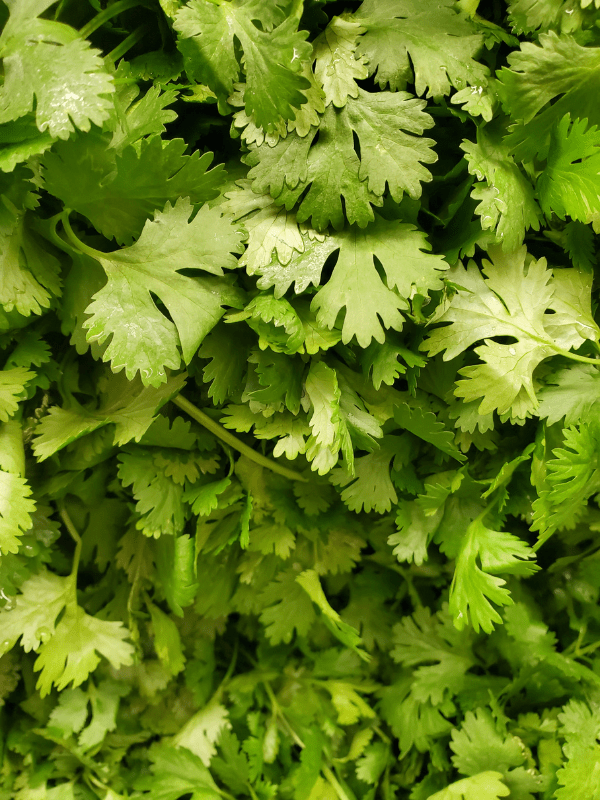
Category: Herb
Perennial or Annual? Annual
Heirloom? Yes
Pollinator? No
Companion Plant With: Lettuces, Herbs, Beans, Onions
Planting Information: Sun, direct sow after last frost.
Source: Ontario Seed Company (OSC)
Learn More -
Fernleaf Dill
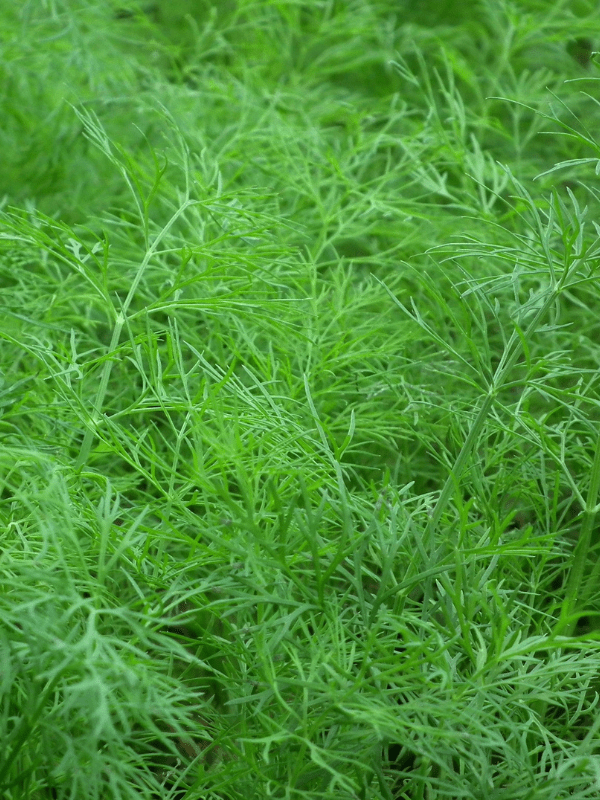
Category: Herb
Perennial or Annual? Annual (will self seed)
Heirloom? No
Pollinator? Yes
Companion Plant With: Cucumbers, Herbs, Onions
Planting Information: Sun, direct-sow 6mm deep and 2.5cm apart, mid-April to mid-July.
Source: Ontario Seed Company (OSC)
Learn More -
Oregano
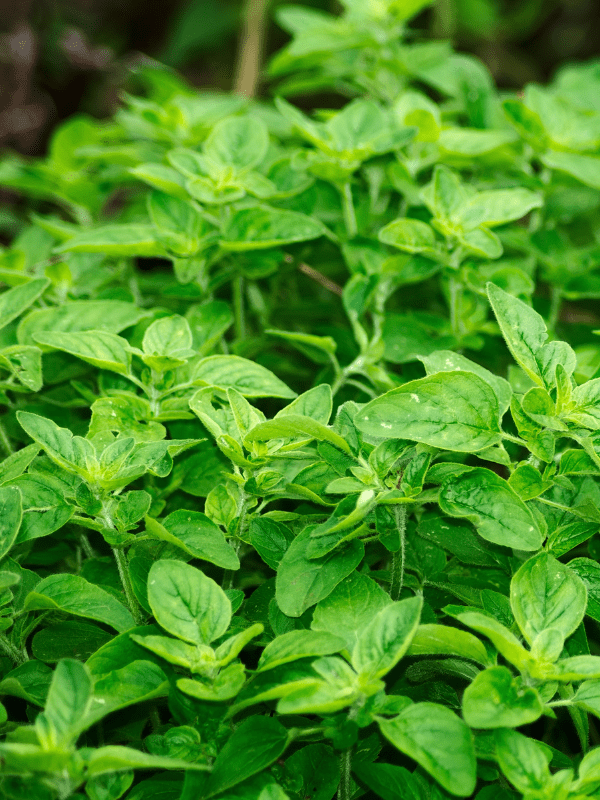
Category: Herb
Perennial or Annual? Perennial
Heirloom? Yes
Pollinator? No
Companion Plant With: Basil, Squash, Cucumbers, Pest Control
Planting Information: Sun, direct sow 6mm deep and 3mm apart, mid-to-late May.
Source: Ontario Seed Company (OSC)
Learn More -
Chives
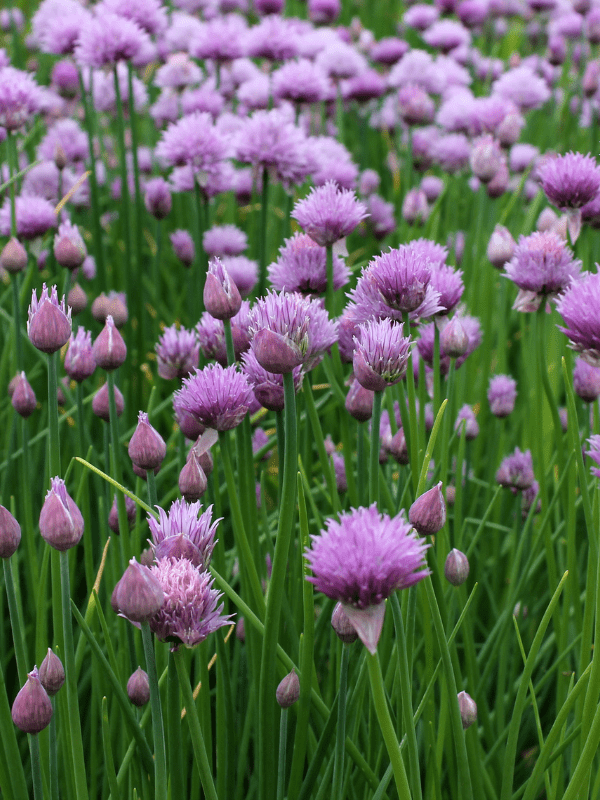
Category: Herb
Perennial or Annual? Perennial
Heirloom? Yes
Pollinator? No
Companion Plant With: Pest Control, Carrots, Broccoli, Onions, Beets
Planting Information: Sun, direct sow 6mm deep and 2.5cm apart, mid-to-late May.
Source: Ontario Seed Company (OSC)
Learn More -
Italian Plain Leaved Parsley
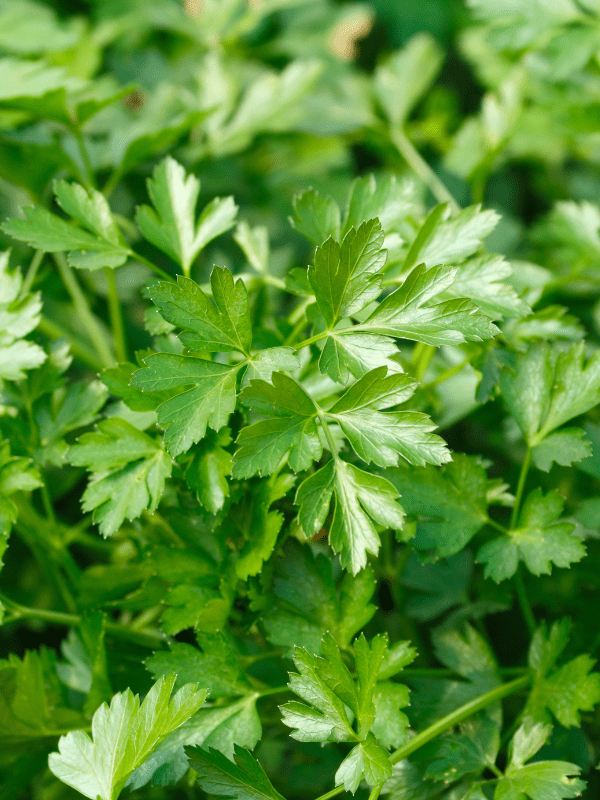
Category: Herb
Perennial or Annual? Annual
Heirloom? Yes
Pollinator? No
Companion Plant With: Carrots, Chives, Corn, Onions, Other Herbs
Planting Information: Soak seeds overnight and sow 6mm deep and 10cm apart, mid-May.
Source: Ontario Seed Company (OSC)
Learn More -
Organic Sweet Basil
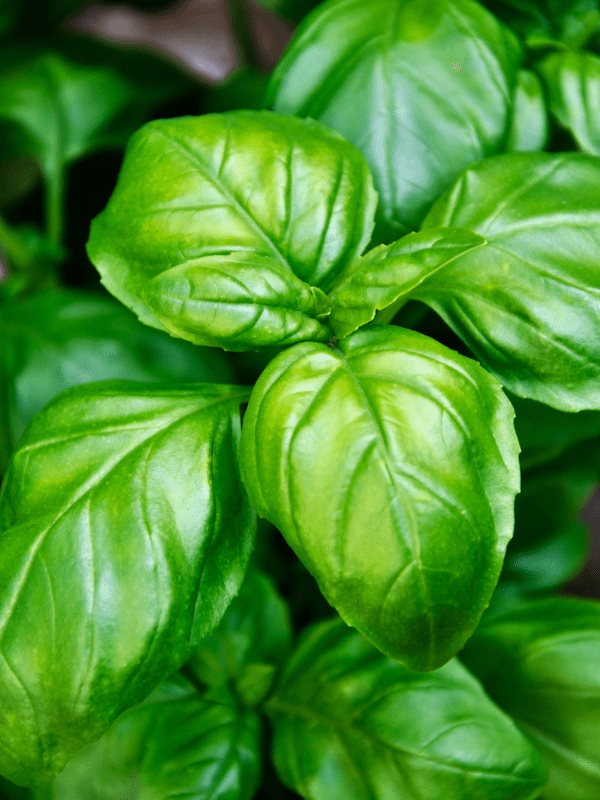
Category: Herb
Perennial or Annual? Annual
Heirloom? Yes
Pollinator? No
Companion Plant With: Pest Control, Lettuces, Other Herbs, Root Vegetables
Planting Information: Sow outdoors mid to late-May, full sun.
Source: Ontario Seed Company (OSC)
Learn More -
Early Wonder Beets
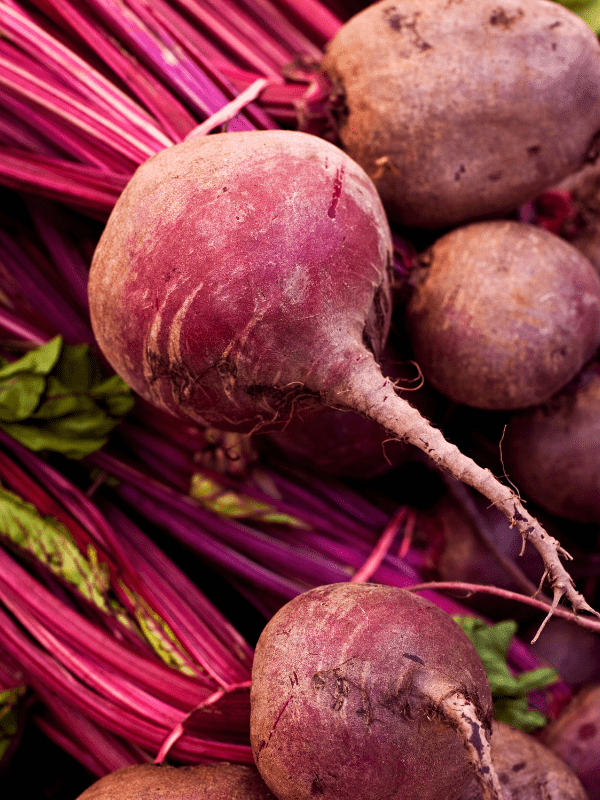
Category: Vegetable
Perennial or Annual? Annual
Heirloom? Yes
Pollinator? No
Companion Plant With: Lettuce, Beans, Onions, Radish, Swiss Chard
Planting Information: Sun, direct sow in sandy soil, 1.2cm deep and 2.5cm apart mid-May to mid-July.
Source: Ontario Seed Company (OSC)
Learn More -
Green Magic Hybrid Broccoli
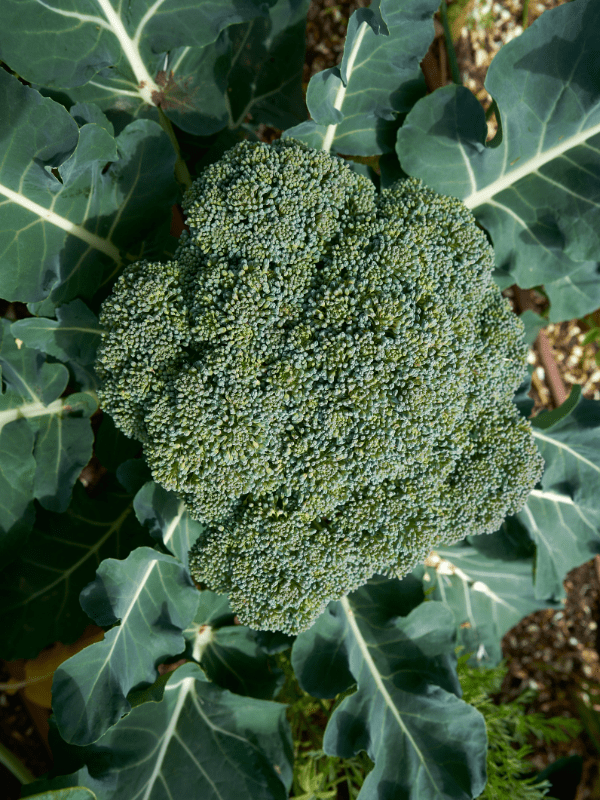
Category: Vegetable
Perennial or Annual? Annual
Heirloom? No
Pollinator? No
Companion Plant With: Beets, Dill, Radishes
Planting Information: Full sun, start indoors then transplant outdoors after 7-10 days, 45cm apart in rows.
Source: Ontario Seed Company (OSC)
Learn More -
Rainbow Blend Carrots
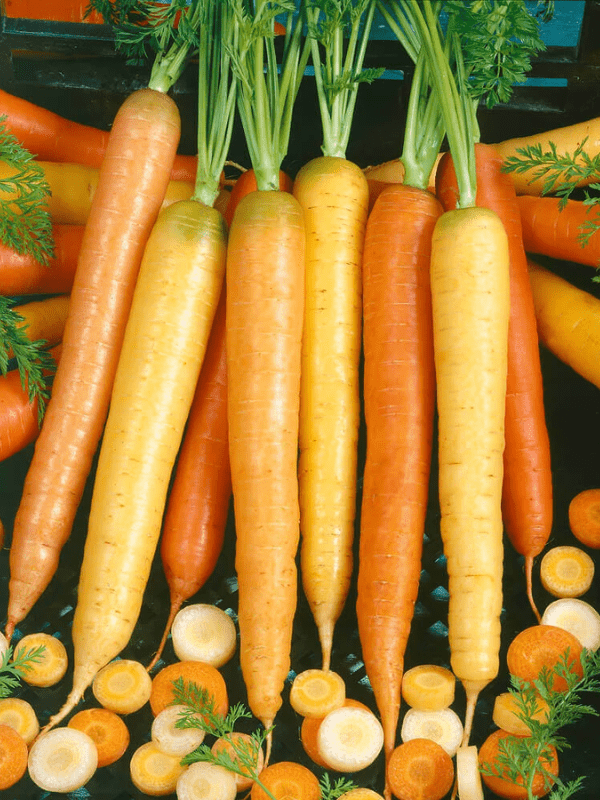
Category: Vegetable
Perennial or Annual? Biennial
Heirloom? No
Pollinator? Yes
Companion Plant With: Onions, Peas
Planting Information: Sun, direct sow 7-15mm deep in rows 45cm apart mid-May.
Source: Ontario Seed Company (OSC)
Learn More -
Blue Lake Bush Bean
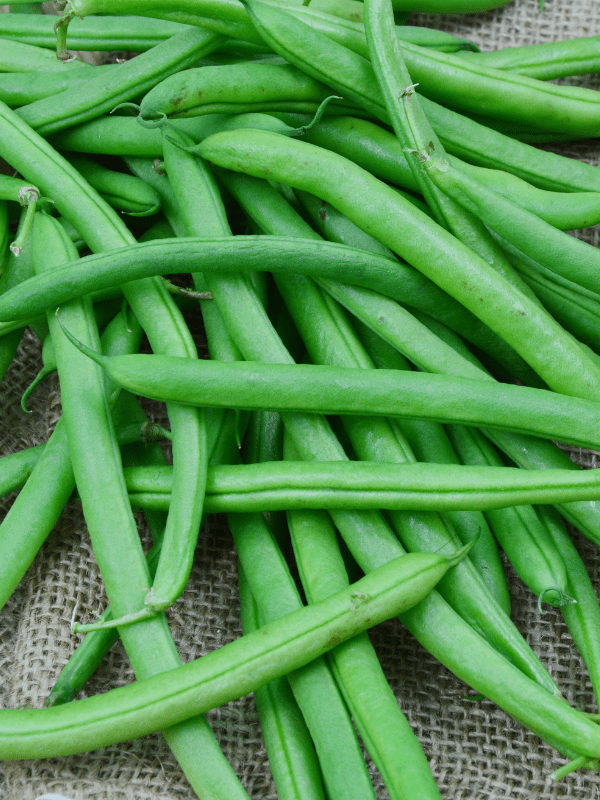
Category: Vegetable
Perennial or Annual? Annual
Heirloom? Yes
Pollinator? No
Companion Plant With: Corn, Squash
Planting Information: Sun, direct sow 2.5cm deep and 8cm apart, late-May to mid-July.
Source: Ontario Seed Company (OSC)
Learn More -
Kentucky Wonder Wax Yellow Pole Bean
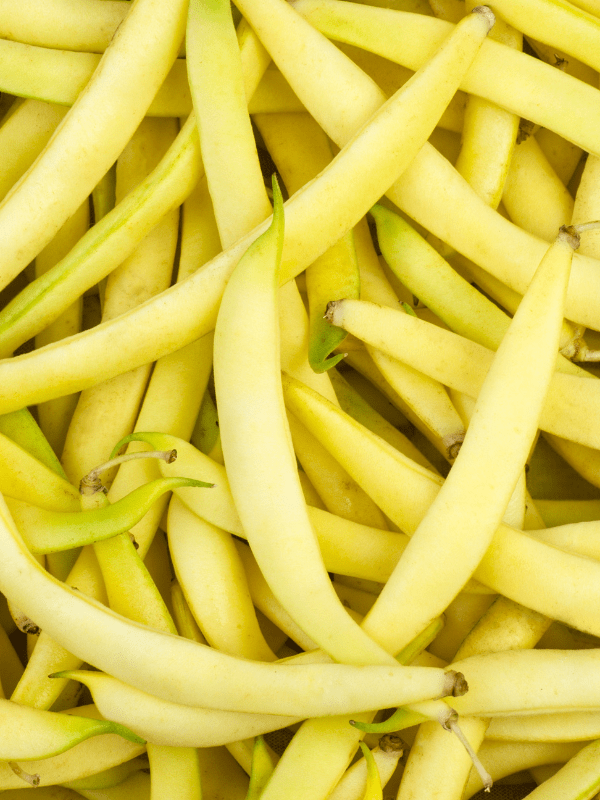
Category: Vegetable
Perennial or Annual? Annual
Heirloom? Yes
Pollinator? No
Companion Plant With: Corn, Squash
Planting Information: Full sun, direct sow 2.5cm deep & 8cm apart, grow on trellis or pole, late-May.
Source: Ontario Seed Company (OSC)
Learn More -
Early Scarlet Globe Radish
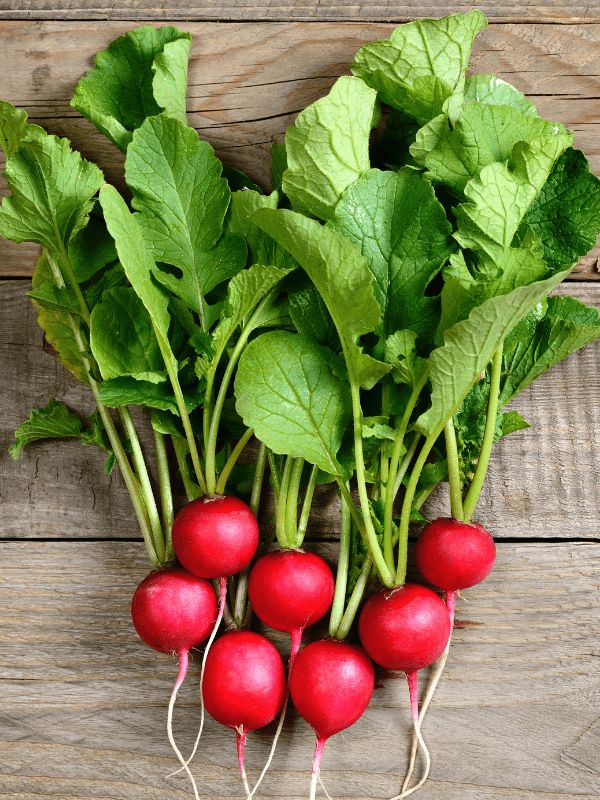
Category: Vegetable
Perennial or Annual? Annual
Heirloom? Yes
Pollinator? No
Companion Plant With: Lettuces
Planting Information: Sun, sow every 2-weeks deep & 2.5cm apart in rows 30cm apart, mid-summer.
Source: Ontario Seed Company (OSC)
Learn More -
Marketmore Cucumber (Slicing Type)
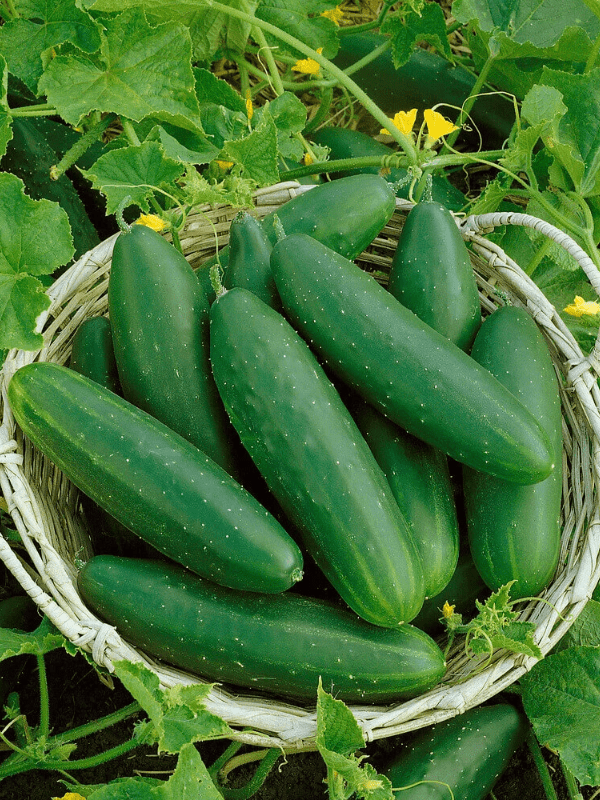
Category: Vegetable
Perennial or Annual? Annual
Heirloom? Yes
Pollinator? No
Companion Plant With: Dill, Corn, Sunflowers, Beans, Radishes, Herbs
Planting Information: Full sun, direct sow, 2cm deep in a soil hill 30-60cm across apart 6-8 seeds per hill, mid-summer.
Source: Ontario Seed Company (OSC)
Learn More -
Sugar Snap Peas
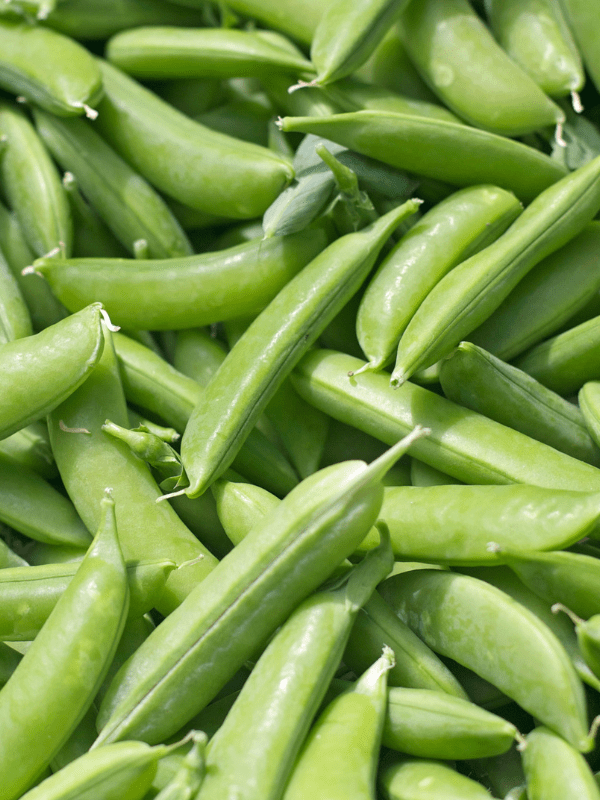
Category: Vegetable
Perennial or Annual? Annual
Heirloom? Yes
Pollinator? No
Companion Plant With: Carrots, Beans, Corn, Cucumbers
Planting Information: Full sun, direct sow in double rows spaced 25cm apart with the seed 6.5cm apart within the row and 1.25-2.5cm deep, early summer (April to mid-May).
Source: Ontario Seed Company (OSC)
Learn More -
Early Yellow Globe Onion
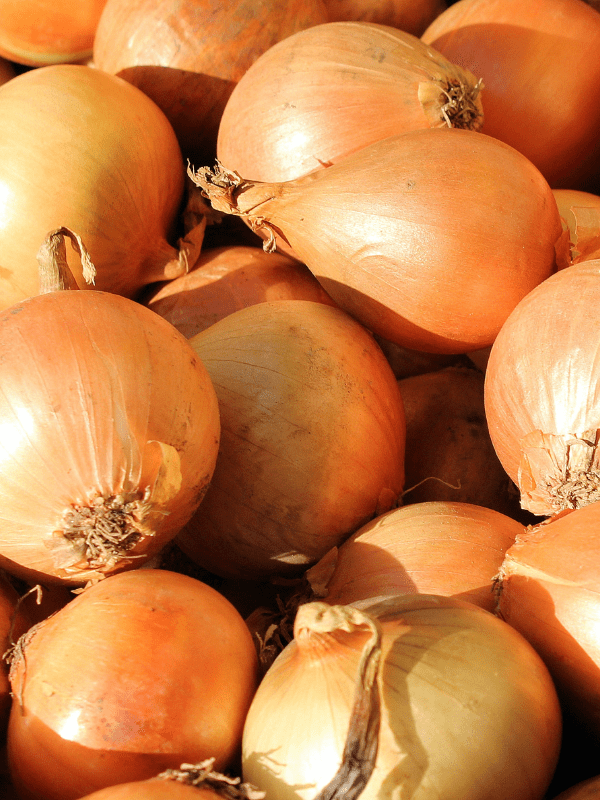
Category: Vegetable
Perennial or Annual? Annual
Heirloom? No
Pollinator? Yes
Companion Plant With: Carrots, Herbs, Cantaloupe, Lettuces
Planting Information: Full sun, sow direct 8-15mm deep and 15mm apart from mid-April.
Source: Ontario Seed Company (OSC)
Learn More -
Bilicious Sweet Corn Hybrid
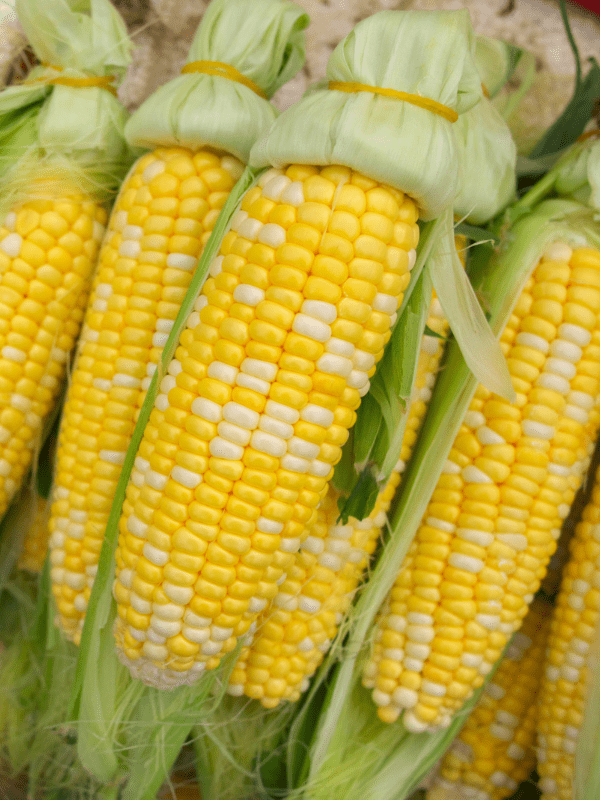
Category: Vegetable
Perennial or Annual? Annual
Heirloom? No
Pollinator? Yes
Companion Plant With: Beans, Squash
Planting Information: Full sun, sow 10-15cm apart in rows, at least 3 rows, or in hills with 3-4 seeds per hill, mid-May to early June.
Source: Ontario Seed Company (OSC)
Learn More -
Dark Zucchini Squash
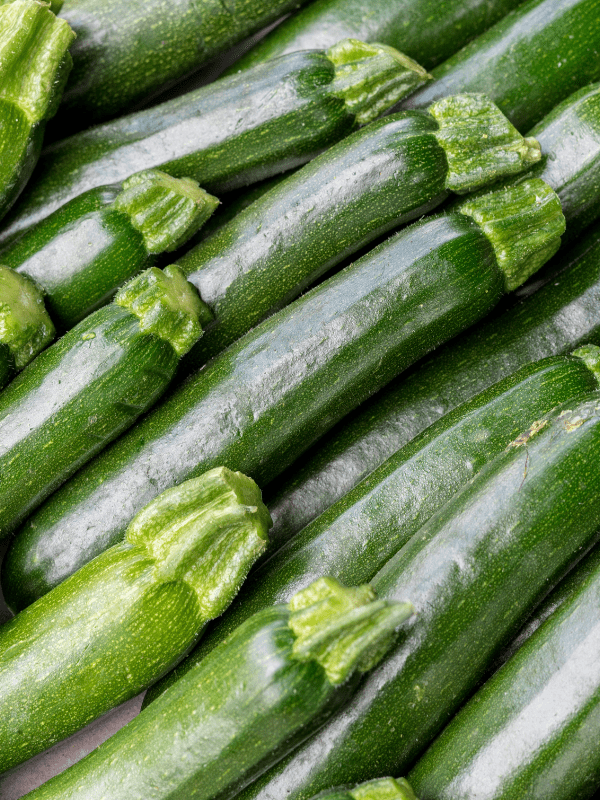
Category: Vegetable (Squash)
Perennial or Annual? Annual
Heirloom? Yes
Pollinator? No
Companion Plant With: Beans, Corn, Nasturtiums
Planting Information: Full sun, start indoors or sow direct late-spring 2.5cm deep in hills 2.4m apart with 4-6 seeds per hill. After germination thin to 3 plants per hill.
Source: Ontario Seed Company (OSC)
Learn More -
Waltham Butternut Squash (Winter Type)
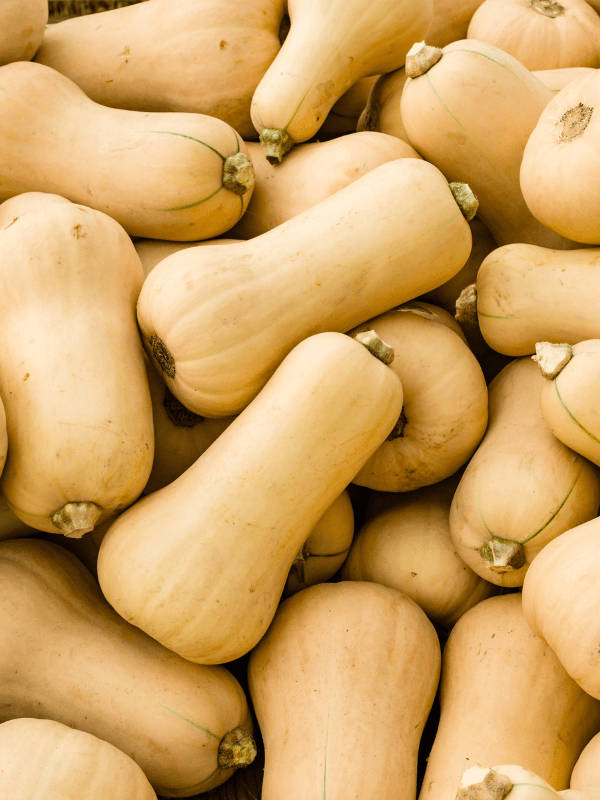
Category: Vegetable (Squash)
OSC SKU: 2260
Heirloom? Yes
Pollinator? No
Companion Plant With: Beans, Corn, Nasturtiums
Planting Information: Full sun, direct sow 2.5cm deep in hills 2.4m apart 4-6 seeds per hill, late May to mid-June.
Source: Ontario Seed Company (OSC)
Learn More -
Howden Pumpkin
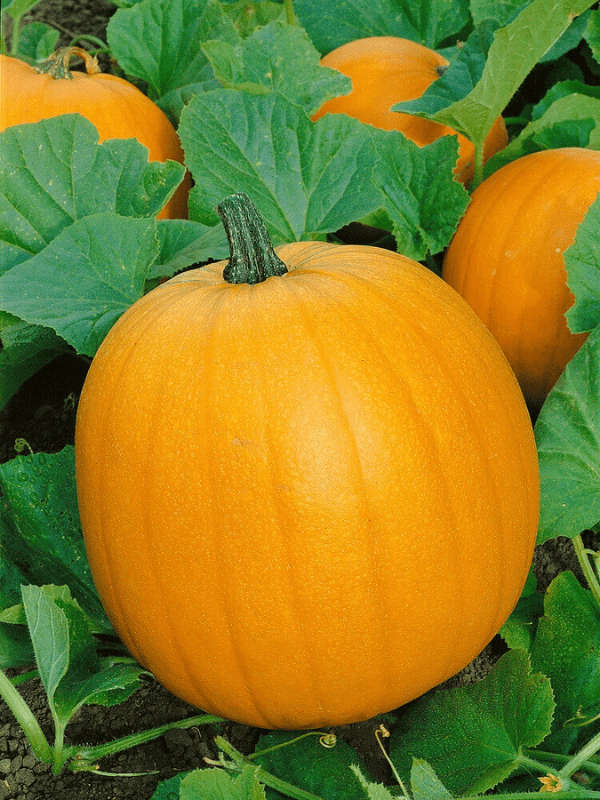
Category: Vegetable (Squash)
OSC SKU: 2055
Heirloom? Yes
Pollinator? No
Companion Plant With: Beans, Corn, Nasturtiums
Planting Information: Full sun, start indoors or sow direct late spring 2.5cm deep in hills 2.4m apart with 4-6 seeds per hill. After germination thin to 3 plants per hill.
Source: Ontario Seed Company (OSC)
Learn More -
Bib Lettuce (Butterhead Type)
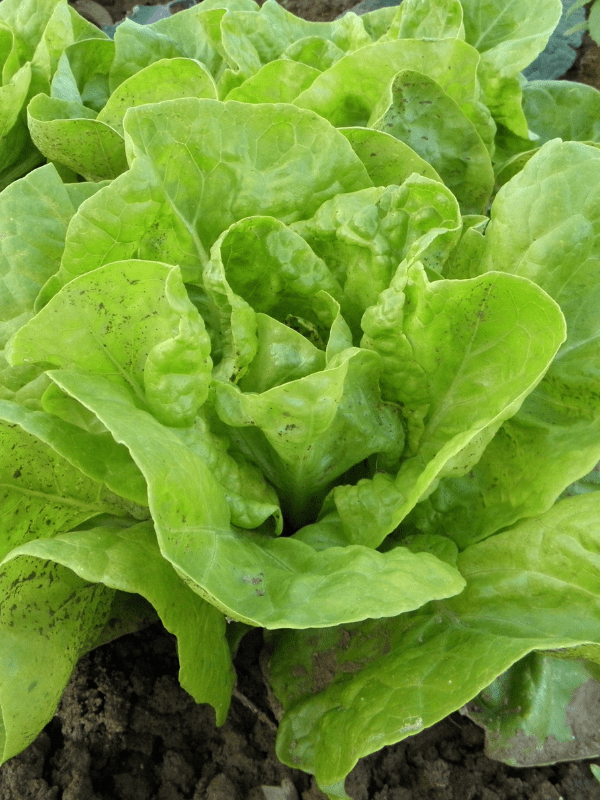
Category: Vegetable (Lettuce)
OSC SKU: 1745
Heirloom? Yes
Pollinator? No
Companion Plant With: Radish, Carrots, Beans, Peas, Herbs
Planting Information: Sun loving cool weather. Sow 3mm deep in rows 45cm apart. Even supply of moisture during entries growth period imperative for success. Mid-spring. Sow direct every two weeks as long as weather is cool.
Source: Ontario Seed Company (OSC)
Learn More -
Bright Lights Swiss Chard
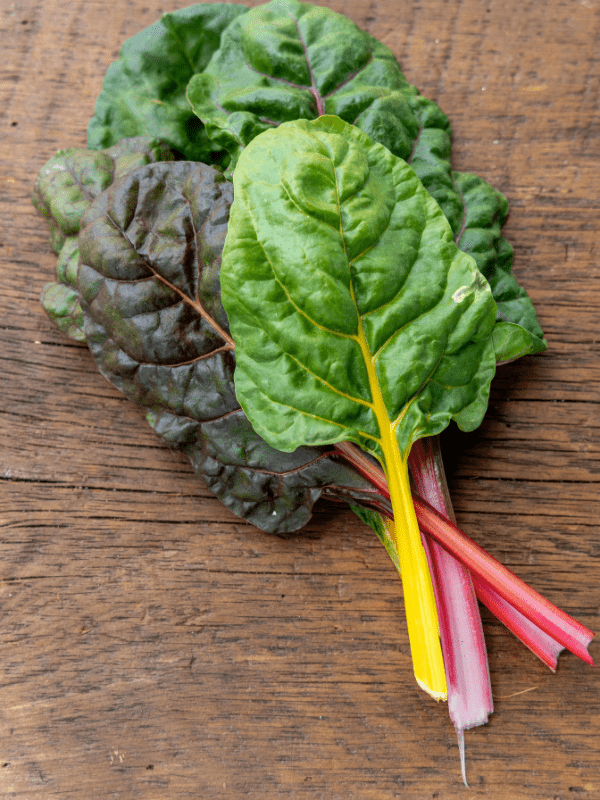
Category: Vegetable (Lettuce)
Perennial or Annual? Biennial
Heirloom? No
Pollinator? Yes
Companion Plant With: Onions, Chives, Lettuces, Carrots, Beans
Planting Information: Sun to partial shade. Sow 1-2cm deep, 2.5cm apart, in rows 45cm apart. Sow mid-spring, bi-weekly until early July for ongoing supply. Gradually thin to 10cm apart.
Source: Ontario Seed Company (OSC)
Learn More -
Little Gem Mini Lettuce (Romaine or Cos Type)
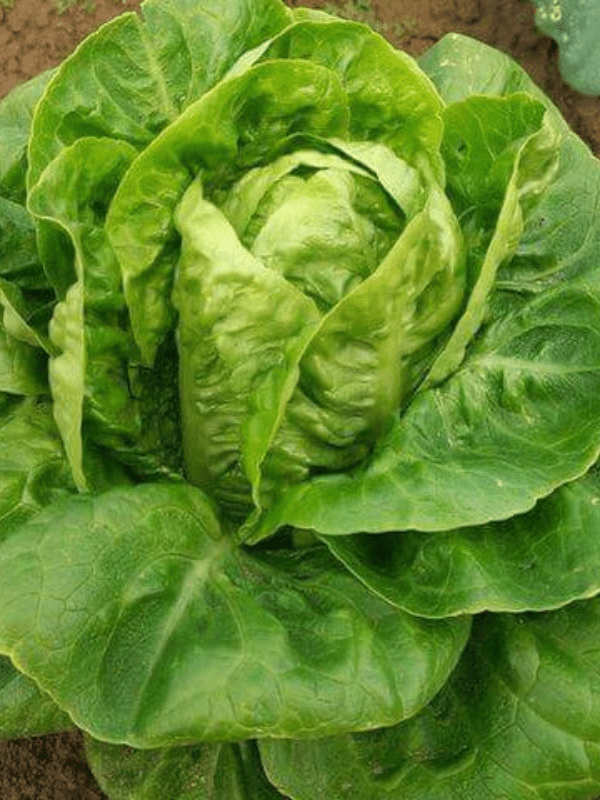
Category: Vegetable (Lettuce)
Perennial or Annual? Annual
Heirloom? No
Pollinator? Yes
Companion Plant With: Radish, Carrots, Beans, Peas, Herbs
Planting Information: Sun loving cool weather. Sow 3mm deep in rows 45cm apart. Mid-spring. Sow every two weeks for continuous supply.
Source: Ontario Seed Company (OSC)
Learn More -
Hale's Best Cantaloupe
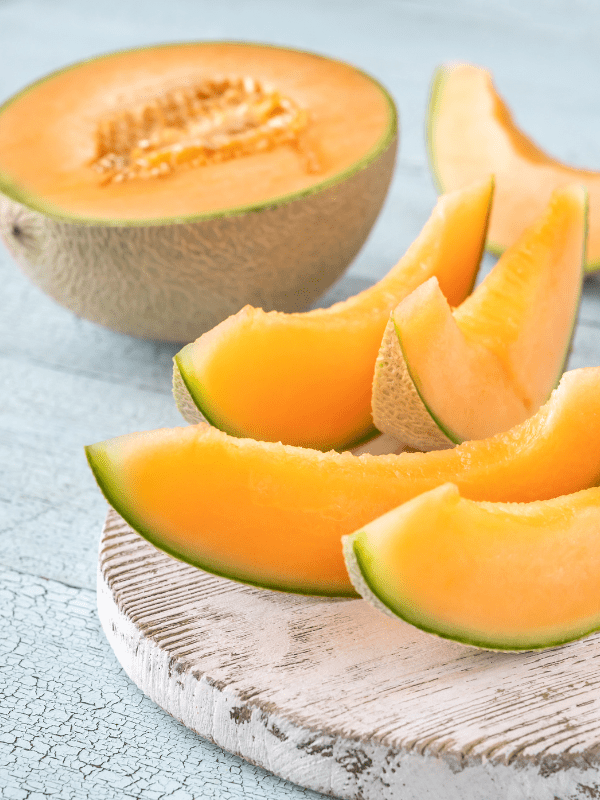
Category: Fruit
Perennial or Annual? Annual
Heirloom? Yes
Pollinator? Yes
Companion Plant With: Onions, Chives, Nasturtiums, Bush Beans
Planting Information: Sun, south facing wind-sheltered site, sow 5 seeds 2.5cm per hills 1.5-2cm apart, warm soil, late spring.
Source: Ontario Seed Company (OSC)
Learn More -
Sugar Baby Watermelon
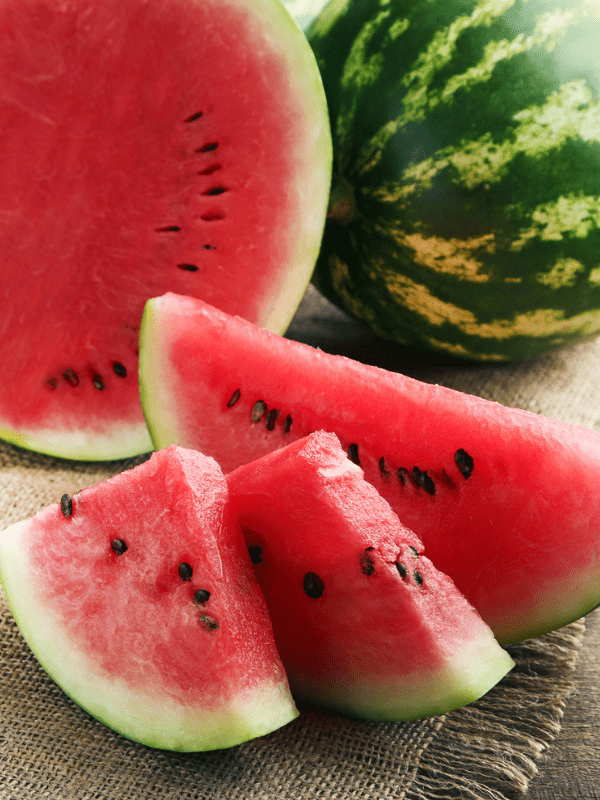
Category: Fruit
Perennial or Annual? Annual
Heirloom? No
Pollinator? No
Companion Plant With: Marigolds, Nasturtiums, Dill
Planting Information: Sun, direct sow 6-8 seeds per hill, 12mm deep in hills spaced 1.8-2.4m apart, early Summer.
Source: Ontario Seed Company (OSC)
Learn More -
Bee Pollinator Meadow Seed Mixture
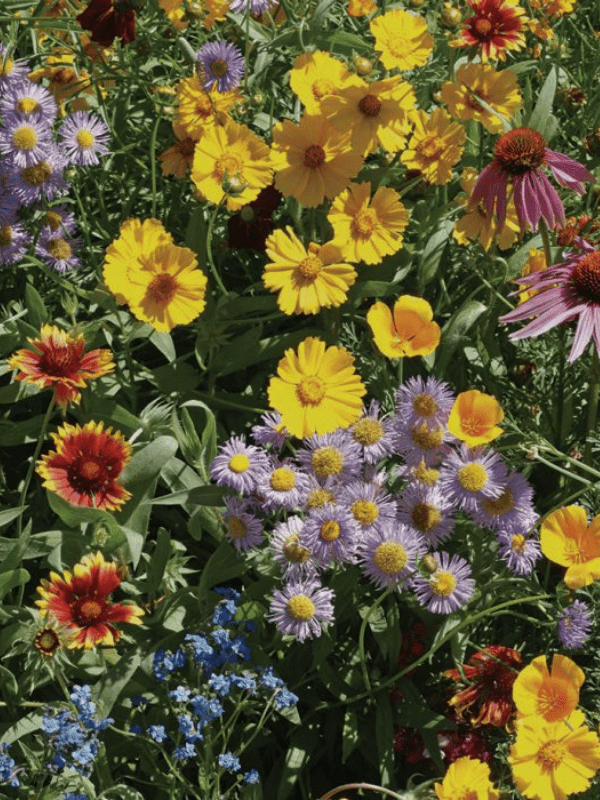
Category: Flower
Perennial or Annual? Annual & Perennial
Heirloom? No
Pollinator? Yes
Companion Plant With: Vegetables that need pollinators
Planting Information: Sun, sprinkle seeds onto prepared bed, soil loosened to 2.5cm, early May to mid-June or mid-Sept to late Oct.
Source: Ontario Seed Company (OSC)
Learn More -
Native Ontario Pollinator Seed Mixture
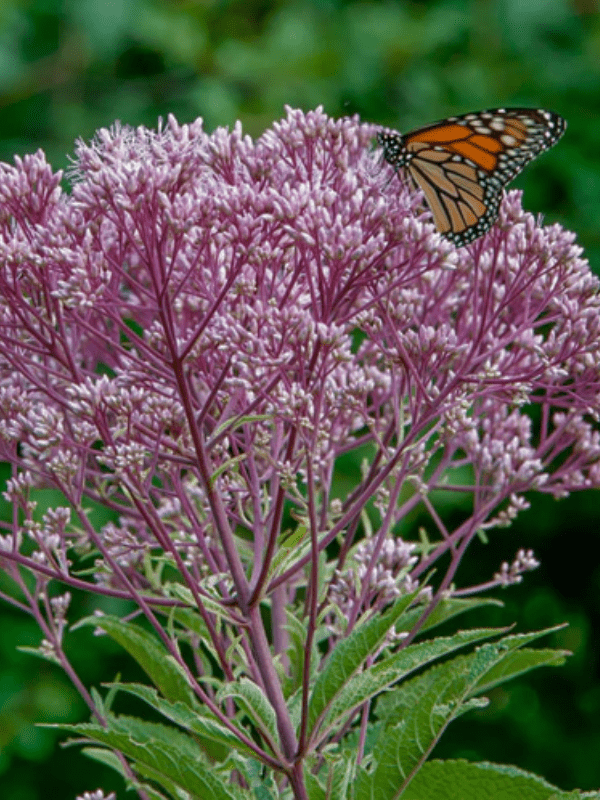
Category: Flower
Perennial or Annual? Annual & Perennial
Heirloom? No
Pollinator? Yes
Companion Plant With: Vegetables that need pollinators
Planting Information: Sun, sprinkle seeds onto prepared bed, soil loosened to 2.5cm, early May to mid-June or mid-Sept to late Oct.
Source: Ontario Seed Company (OSC)
Learn More -
Colour Fashion Mixed Sunflower Seeds
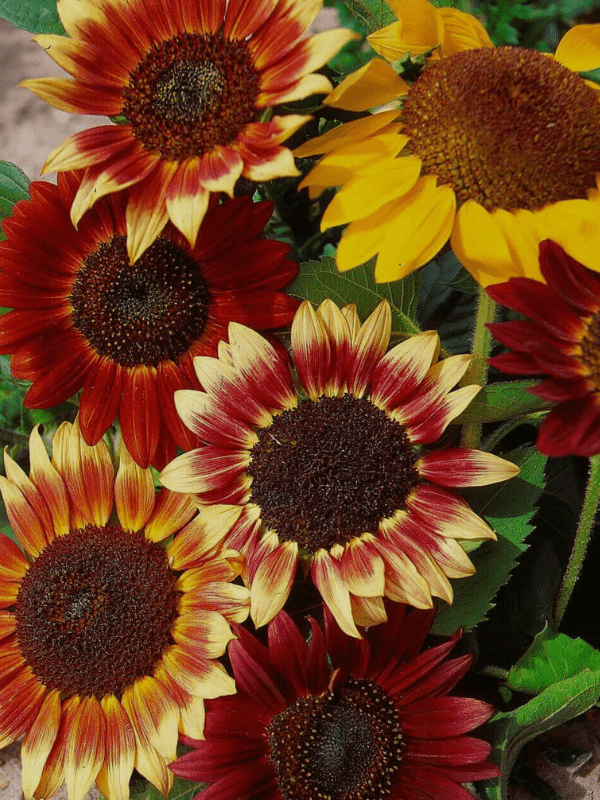
Category: Flower
Perennial or Annual? Annual
Heirloom? No
Pollinator? Yes
Companion Plant With: Marigolds, Nasturtiums, Onions
Planting Information: Sun, direct sow 6-12mm deep and 7.5-10cm apart, late May.
Source: Ontario Seed Company (OSC)
Learn More -
French Petite Marigold (Miniature Type)
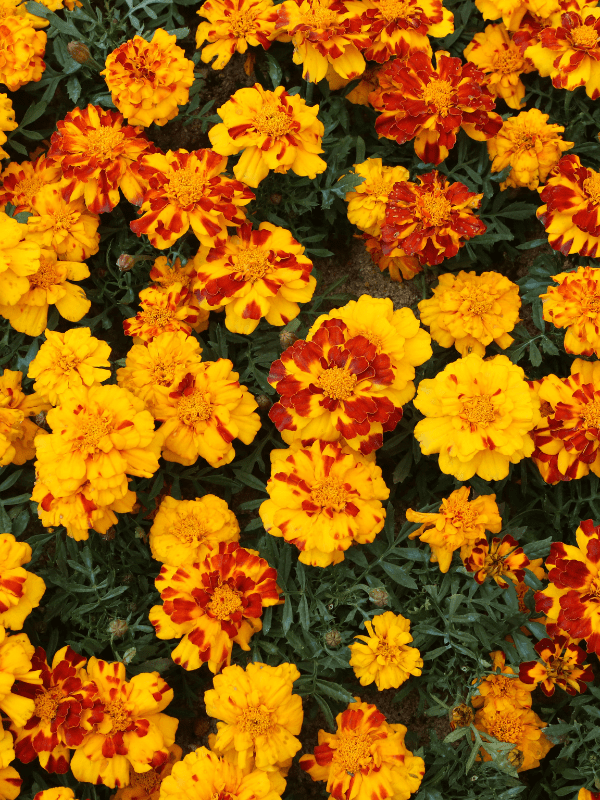
Category: Flower
Perennial or Annual? Annual
Heirloom? No
Pollinator? Yes
Companion Plant With: Pest control for many vegetables
Planting Information: Full sun, direct sow 6mm deep, mid-to-late May.
Source: Ontario Seed Company (OSC)
Learn More -
Tall Climbing Mixed Nasturtium
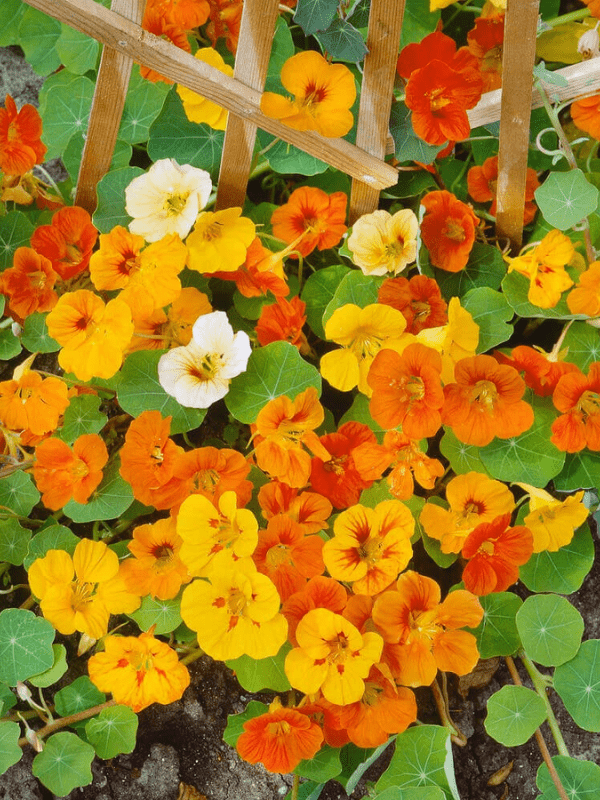
Category: Flower
Perennial or Annual? Annual
Heirloom? No
Pollinator? Yes
Companion Plant With: Pest control for many vegetables
Planting Information: Full sun to partial shade, direct sow 2.5cm deep and 5cm apart, late May.
Source: Ontario Seed Company (OSC)
Learn More -
Black-eyed Susan
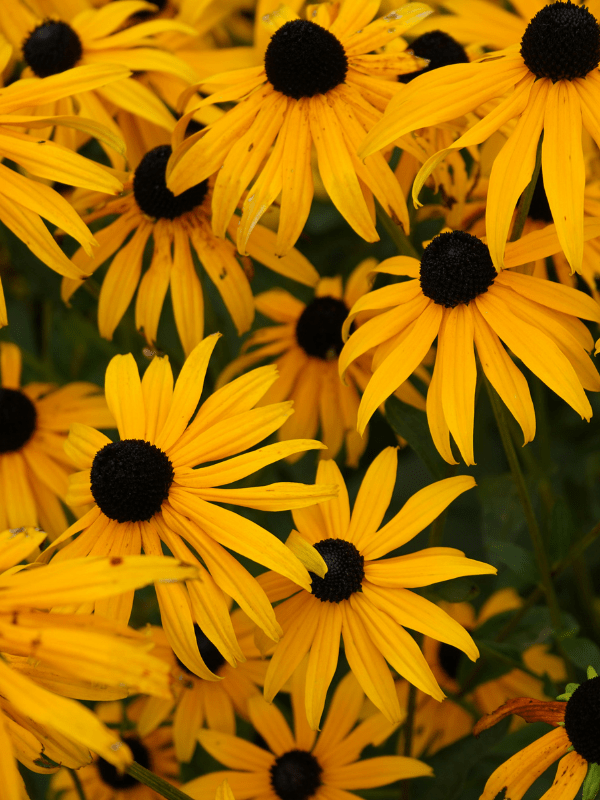
Category: Flower
Perennial or Annual? Biennial
Heirloom? No
Pollinator? Yes
Companion Plant With: Other pollinators, vegetables that need pollinators
Planting Information: Sun, scatter seeds, moist, well-drained soil, Jun-Oct.
Source: Kayanase Greenhouse
-
Wild Bergamot
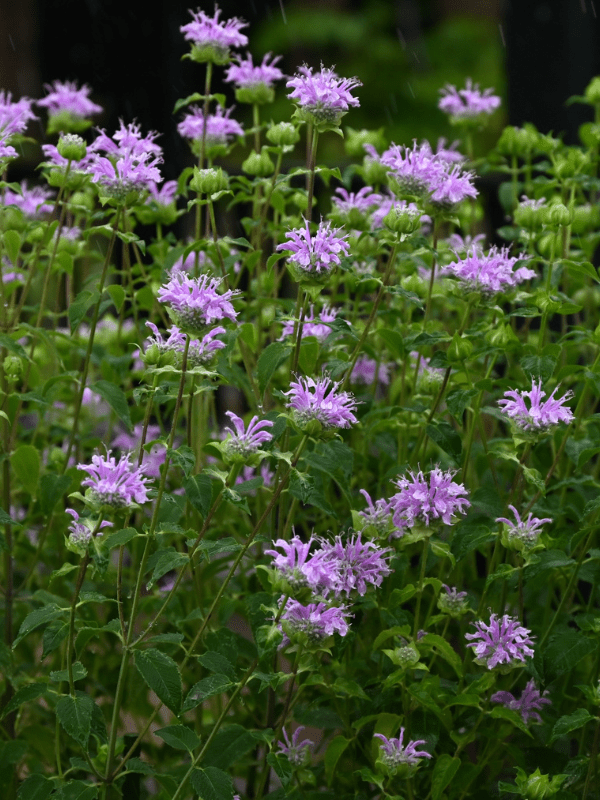
Category: Flower
Perennial or Annual? Perennial
Heirloom? No
Pollinator? Yes
Companion Plant With: Other pollinators, vegetables that need pollinators
Planting Information: Sun, part shade, dry or moist soil, direct sow spring, blooms May-Sep.
Source: Kayanase Greenhouse
-
Foxglove Beardtongue
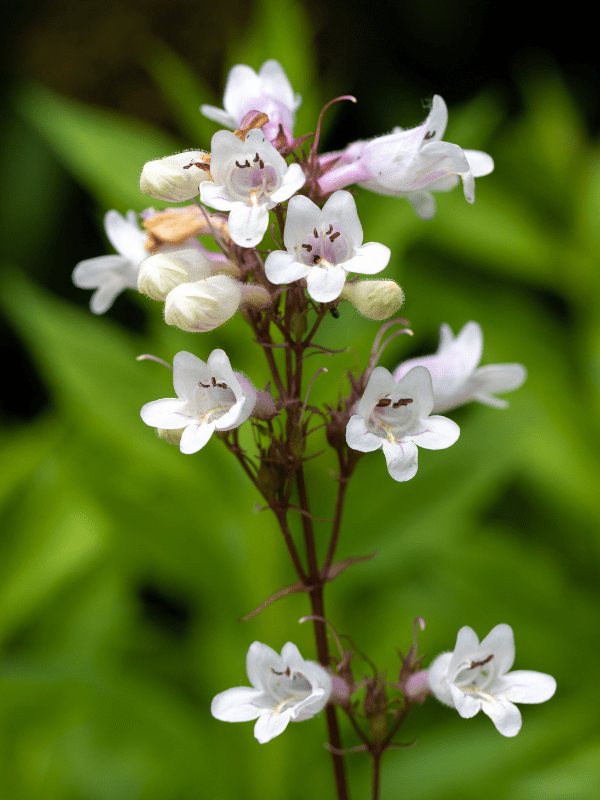
Category: Flower
Perennial or Annual? Perennial
Heirloom? No
Pollinator? Yes
Companion Plant With: Other pollinators, vegetables that need pollinators
Planting Information: Sun, well-drained soil, direct sow in autumn or store 4 weeks in cold before planting, blooms May-Jun.
Source: Kayanase Greenhouse
The Naturespace at the Eastside Branch with raised flower boxes, a water table for kids, tables and shade structures.
Naturespace Garden Boxes
Our Naturespace garden boxes feature a mix of pollinators, native plants and even vegetables. These boxes help to enhance and sustain the environment around the Eastside Branch while providing opportunities for learning and engaging with the natural environment. The boxes are designed with an accessible side to allow for everyone to participate in the gardening process.
The new garden boxes were co-designed by our Teen Events Team, who will be volunteering their time to nurture the plantings. The garden boxes will be used for programs and will be planted by library staff and community members alike.
As an added bonus, the pollinator plants in the garden boxes will provide a source of pollen for our beehive.
Grow Towers
Grow towers are vertical hydroponic gardens where food is cultivated in a soilless environment, receiving essential nutrients through a continuous water flow. The Eastside Branch has two grow towers that will operate and produce food year-round. As items become ready to be picked, staff will harvest the veggies and make them available for customers to take home.
The grow towers act to foster ongoing discussions about food insecurity in Canada as well as highlighting technology for food production in challenging environments like Canada’s far North. The sunlamp-equipped lights will support year-round plant growth, adding vibrancy to library spaces.
Green lettuce growing on a vertical hydroponic tower system
Grow Towers FAQs
-
How do the grow towers work?
-
What do you grow in the grow towers?
We will grow a variety of plants on a rotational basis. Once plants are harvested we will plant new seeds to grow. Signage will accompany the grow towers to let customers know what is currently growing.
Some of the plants we grow will come from seeds in our Seed Library.
-
What will happen with the plants when they are ready to be picked?
-
Will the grow towers operate all year long?
Interested in learning more about our teaching beehive?
That’s right! We’ve got a functioning beehive at our Eastside Branch. Learn more about our hive and accompanying programs and events.
