
Last updated on August 26, 2025

Rusko, Clockmaker | Illustration by Samuel Perin
Commander’s popularity has led to a variety of offshoot formats like Duel Commander, which focuses on 1v1, or Oathbreaker, which gives planeswalkers attention they don’t receive in Commander proper.
One of the more popular alternate formats is Brawl, which lives on MTG Arena. You get access to all sorts of Arena-exclusive Alchemy cards, but it also asks you to build decks differently than you would in Commander.
I’m breaking down those differences with a Rusko, Clockmaker deck guide!
The Deck
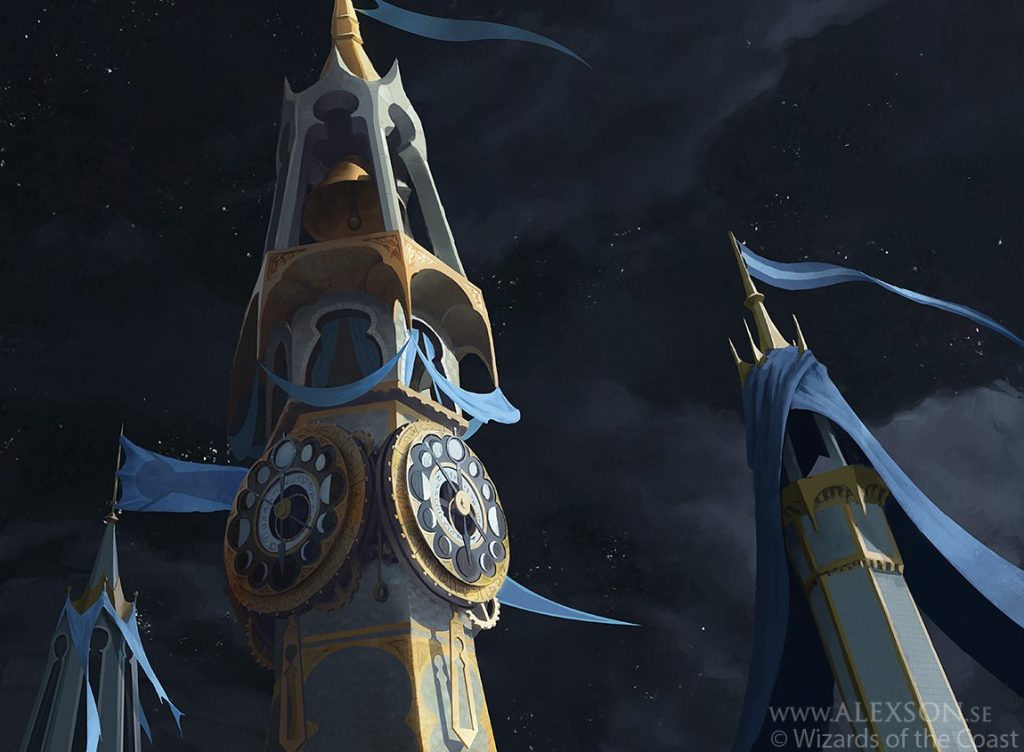
Midnight Clock | Illustration by Alexander Forssberg
Commander (1)
Creature (17)
Aether Channeler
Agent of Raffine
Baleful Strix
Boggart Trawler
Dark Confidant
Ertai Resurrected
Faerie Mastermind
Graveyard Trespasser
Grief
Hullbreaker Horror
Lazav, Wearer of Faces
Murderous Rider
Oildeep Gearhulk
Psychic Frog
Snapcaster Mage
Troll of Khazad-dûm
Vendilion Clique
Instant (41)
Bitter Triumph
Brainstorm
Change the Equation
Counterspell
Cut Down
Cyclonic Rift
Dark Ritual
Deduce
Dig Through Time
Dispel
Drown in the Loch
Essence Flux
Fatal Push
Fell the Profane
Go for the Throat
Grave Expectations
Hagra Mauling
Heartless Act
Infernal Grasp
Jwari Disruption
Kindred Denial
Make Disappear
Mana Drain
Memory Deluge
Memory Lapse
Murderous Cut
Mystical Dispute
Planar Incision
Pool Resources
Quick Study
Sauron's Ransom
Seek New Knowledge
Sink into Stupor
Spell Snare
Stern Scolding
Tale's End
Teferi's Time Twist
Three Steps Ahead
Vesuvan Mist
Wash Away
Waterlogged Teachings
Sorcery (6)
Bloodchief's Thirst
Duress
Inquisition of Kozilek
Reanimate
Thoughtseize
Toxic Deluge
Enchantment (3)
Momentum Breaker
Unable to Scream
Witness Protection
Artifact (2)
Land (30)
Bloodstained Mire
Cavern of Souls
Clearwater Pathway
Command Tower
Darkslick Shores
Drowned Catacomb
Fabled Passage
Flooded Strand
Gloomlake Verge
Hall of Storm Giants
Hive of the Eye Tyrant
Island x5
Misty Rainforest
Mystic Sanctuary
Otawara, Soaring City
Polluted Delta
Restless Reef
Shipwreck Marsh
Swamp x4
Takenuma, Abandoned Mire
Undercity Sewers
Underground River
Watery Grave
This is a classic midrange deck that combines efficient threats like Psychic Frog and Dark Confidant with plenty of interaction to disrupt your opponents.
The Commander: Rusko, Clockmaker
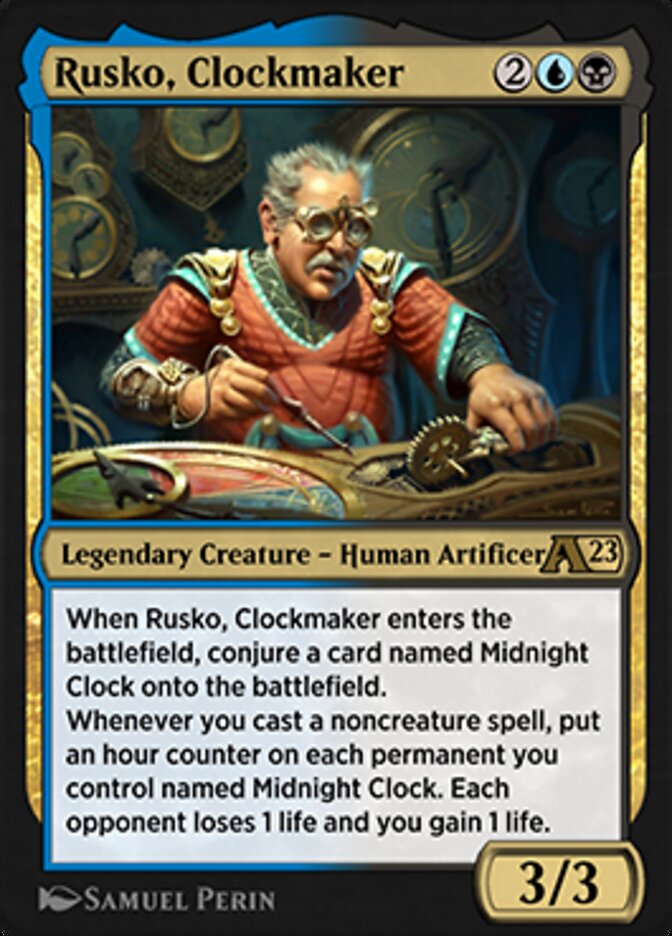
First things first, let’s discuss conjure, an Arena-exclusive mechanic Rusko, Clockmaker employs. Conjuring a card—in this case, Midnight Clock—is like creating a token copy of it, except the conjured card still exists when it changes zones.

Rusko gives this deck velocity. Critically, the Midnight Clock comes into play untapped, so you can often play Rusko and hold up protection the same turn. The drain provides incremental pressure, and you get fuel to keep controlling the game when you trigger Midnight Clock’s draw seven ability.
Rusko’s also a very annoying commander to remove as it creates a permanent mana source; Midnight Clock pays for half the commander tax, so you just need to make your land drop to replay Rusko the turn after it dies.
Alchemy-Exclusive Cards
One potential draw to Brawl are Arena-exclusive Alchemy cards that utilize digital-only mechanics. I’m discussing the cards and the mechanics here.
The seek mechanic blurs the line between a tutor and a draw; you always seek a card with some sort of qualification, but you have no control over which eligible card you get.
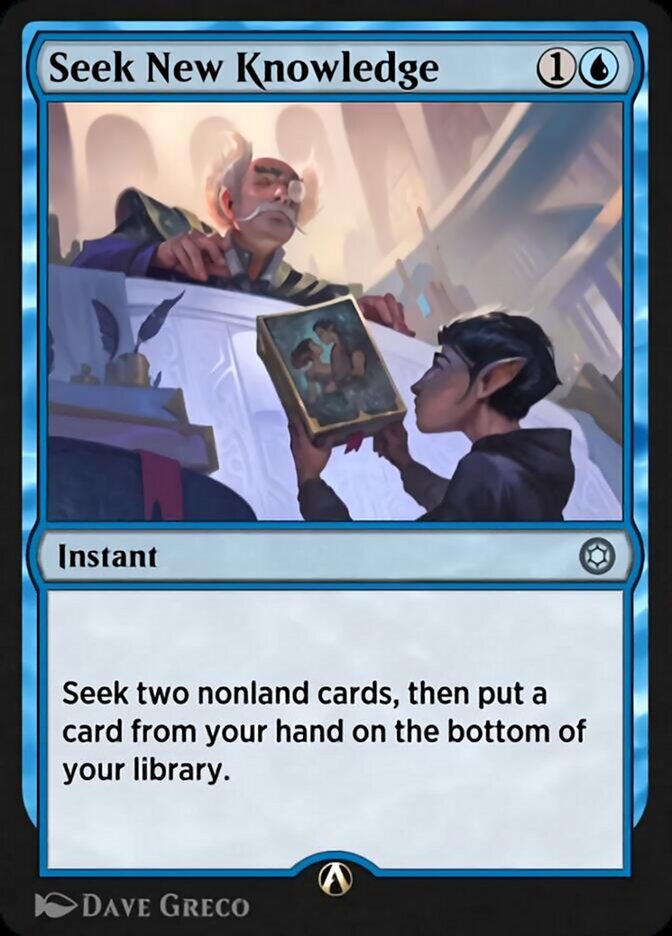

This deck’s first seek card is Seek New Knowledge, which bears a resemblance to Brainstorm. Always drawing two nonland cards refuels your hand beautifully in the later turns of the game, though it can be awkward if you need to draw lands. Pool Resources offers nice modality; you can draw two cards if you need lands or just grab spells when appropriate.
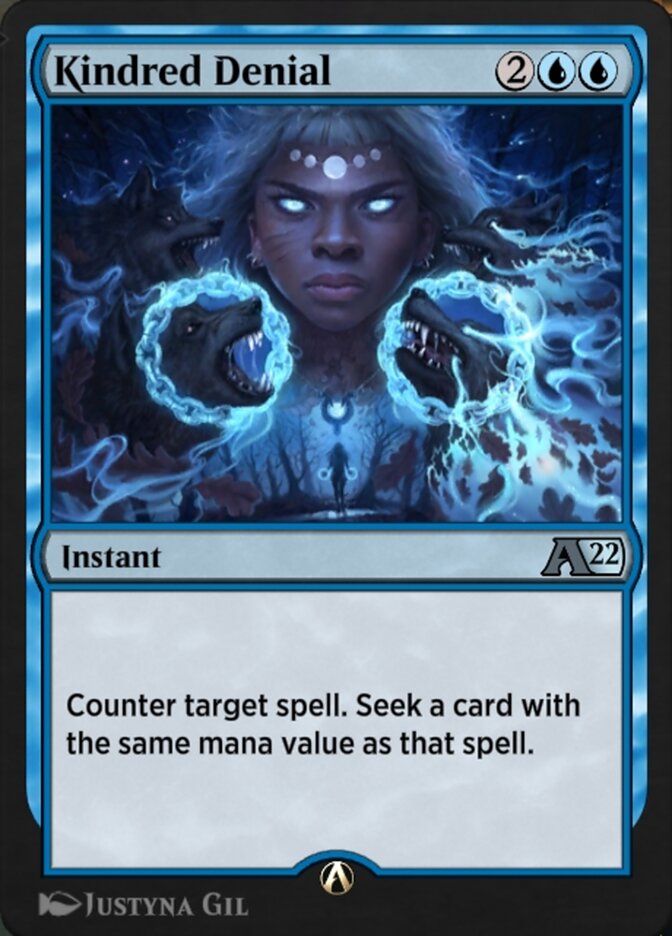
Kindred Denial offers a powerful counterspell that often draws an additional card, though it can be dicey against rampy green decks since your curve is pretty tight.

The heist mechanic is akin to regular Magic theft cards that exile spells from opposing libraries to cast later, except it’s templated such that you never whiff on lands. Grave Expectations does so much for so little; it’s a hyper-efficient Impulse or graveyard hate.
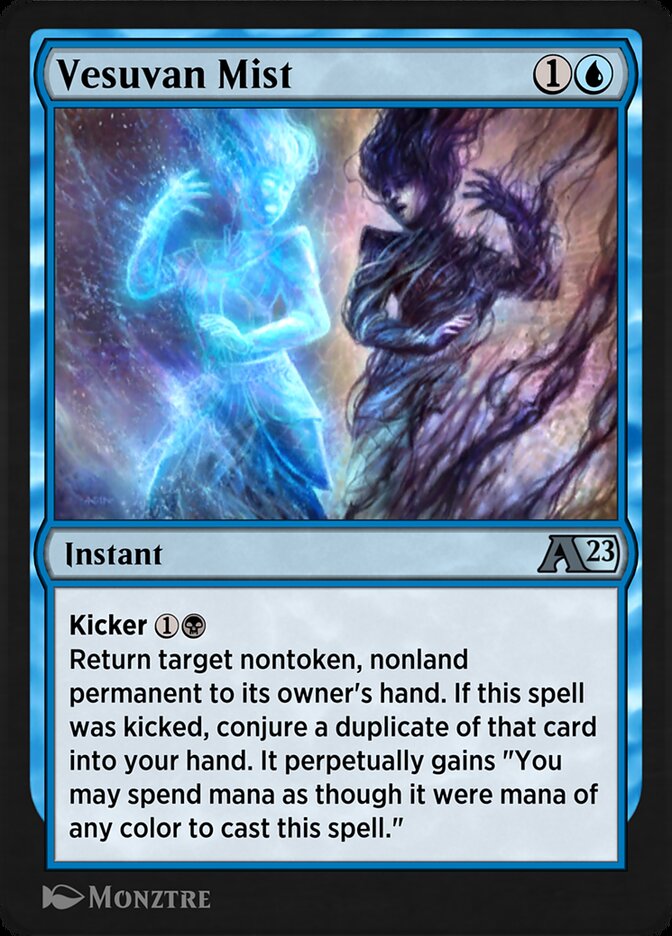
Vesuvan Mist riffs on Into the Roil by using conjure, offering a flexible bounce spell that scales with the game.

Agent of Raffine is a complicated card—arguably over-complicated, as this could just be a regular theft card—but it’s an effective threat in this deck. You have tons of instants to hold up, so a cheap mana sink that draws cards goes a long way.
Card Advantage
This deck wants to keep the cards flowing; while Rusko, Clockmaker offers you a free wheel later down the line, you need the resources to survive that long!
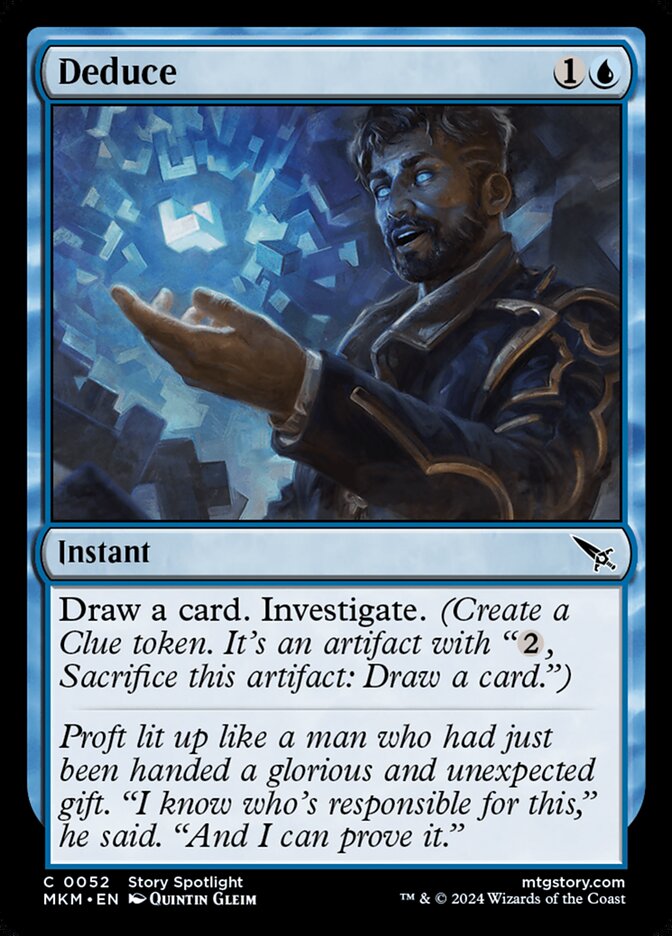
Deduce is a clean, simple draw two. Drawing two cards for 4 mana is perfectly on-rate, but few cards let you do it in two installments like this.
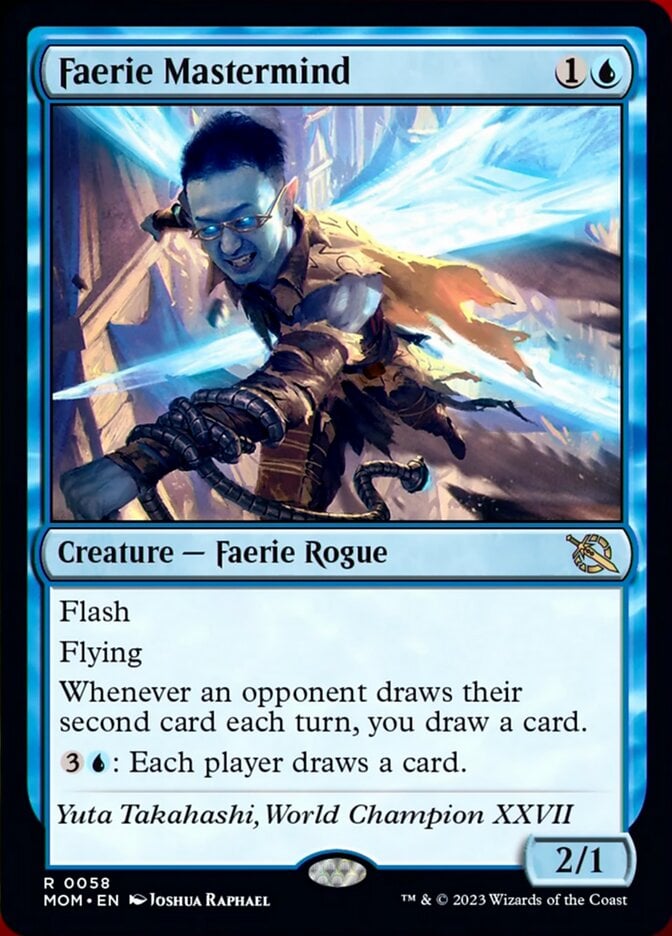
Faerie Mastermind siphons some cards away from your opponents whenever they draw cards, and it offers you another mana sink for the late game.
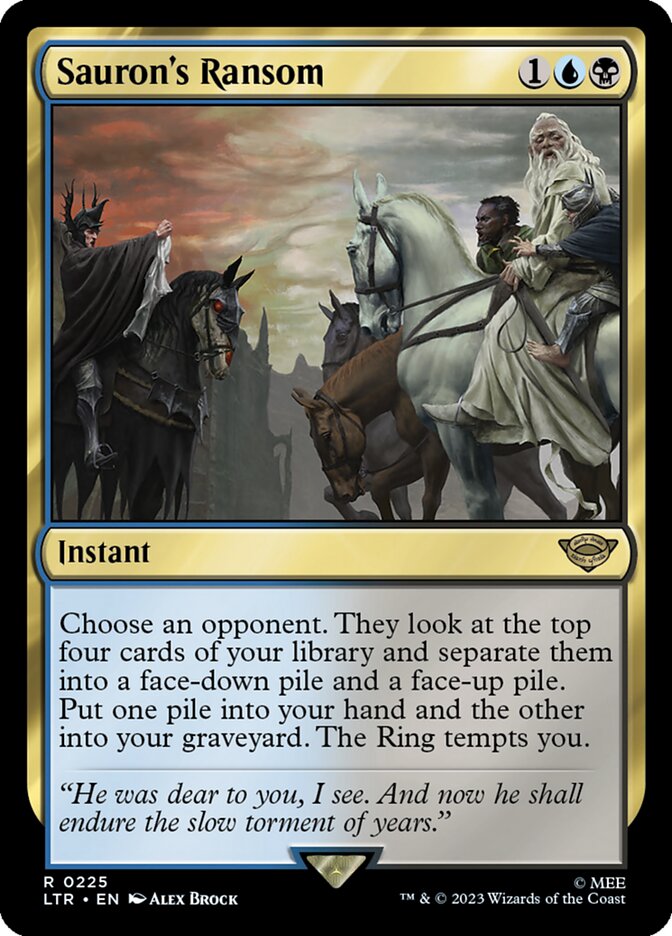
Sauron's Ransom does a decent Fact or Fiction impression. It rarely draws fewer than two cards; doing so for less than 4 mana is pretty sick.
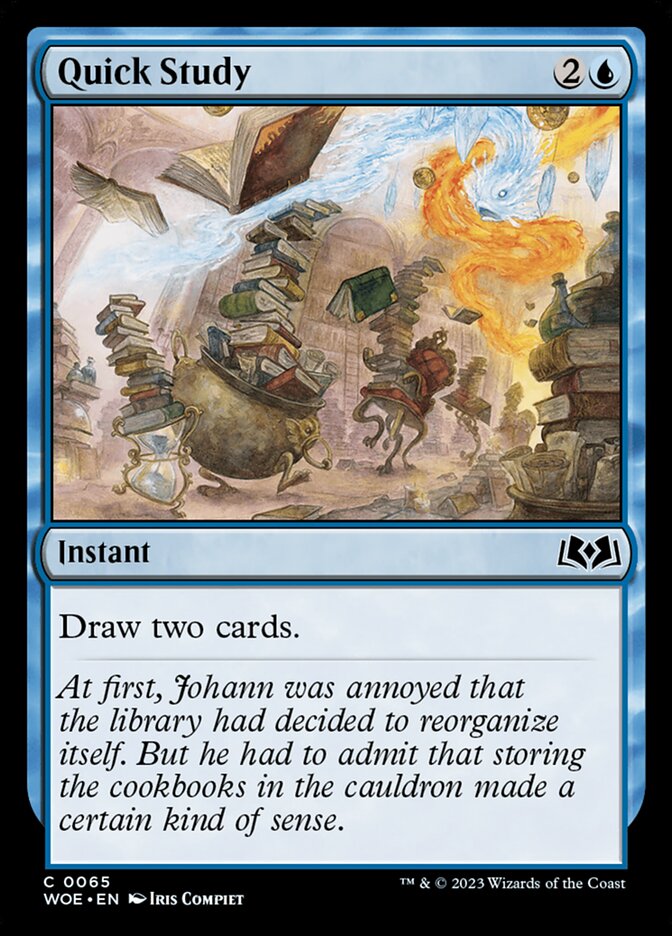
Quick Study is just a Divination that lets you hold up Mana Drain. It’s not flashy, but it does work.
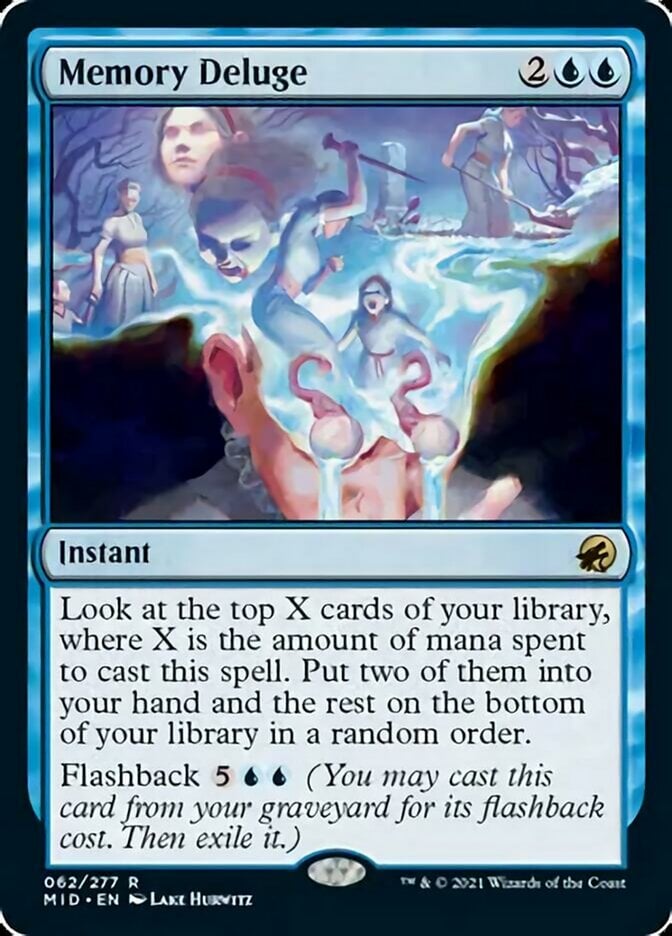
Memory Deluge provides oodles of card advantage. Casting it flat would be great, but flashback makes it exceptional.
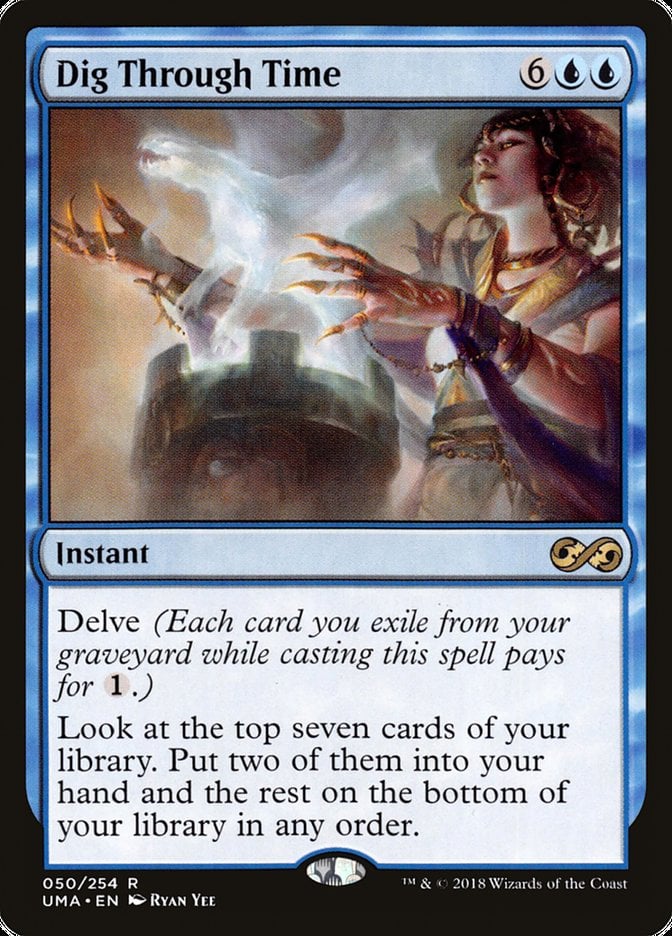
Dig Through Time is simply one of the strongest draw spells ever printed; you fill your graveyard quite easily thanks to the fetch lands and high density of cheap spells. When delving, be mindful of Snapcaster Mage and Reanimate.
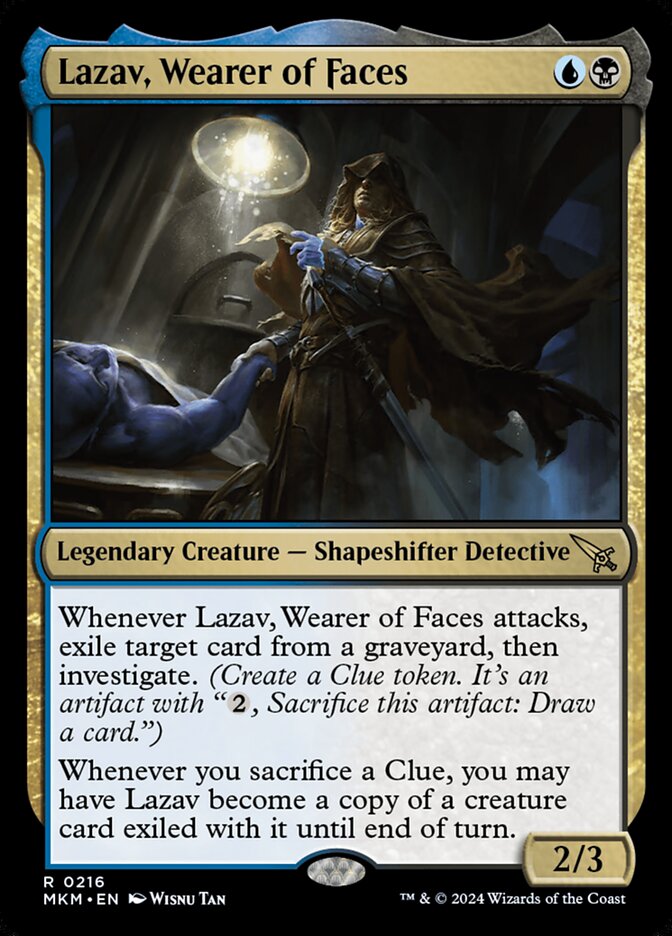
Lazav, Wearer of Faces is one of my favorite cards in the deck. It trends towards being a pet card more than the absolute best card, but an early threat that shreds the opposing graveyard while producing card advantage hits all the notes I want in Brawl.
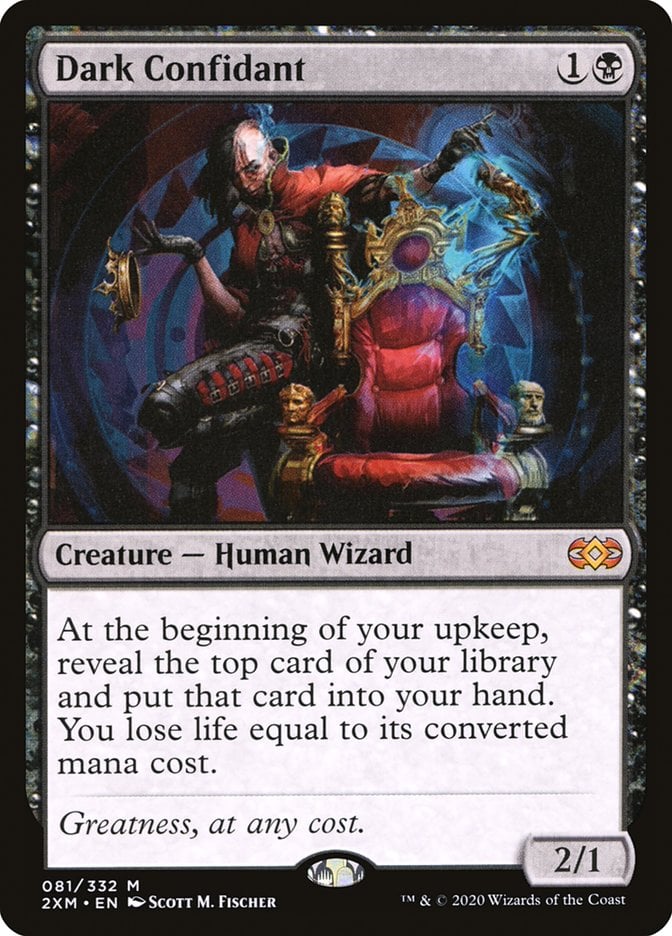
Dark Confidant shines in a deck with such a low mana curve. I won’t lie—Bob in the same deck as Hullbreaker Horror and Dig Through Time is risky. But the payoff is huge, and you have plenty of removal spells to point at Bob if it comes to it.

Psychic Frog might be the deck’s best threat. You’ll win the games where your opponent doesn’t answer this, and they better have an answer fast because you have plenty of countermagic to defend it.
Hand Disruption
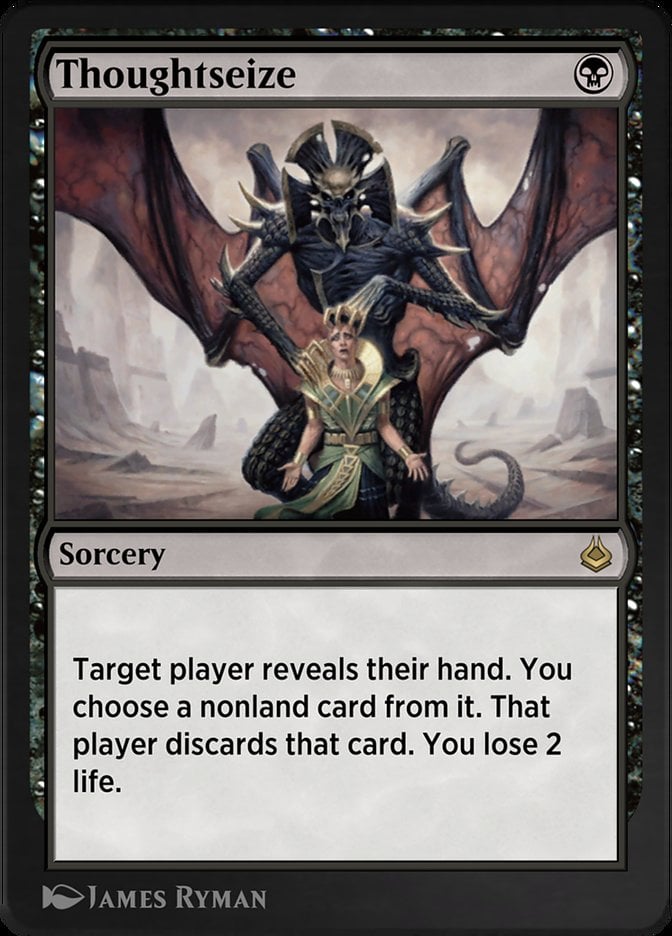
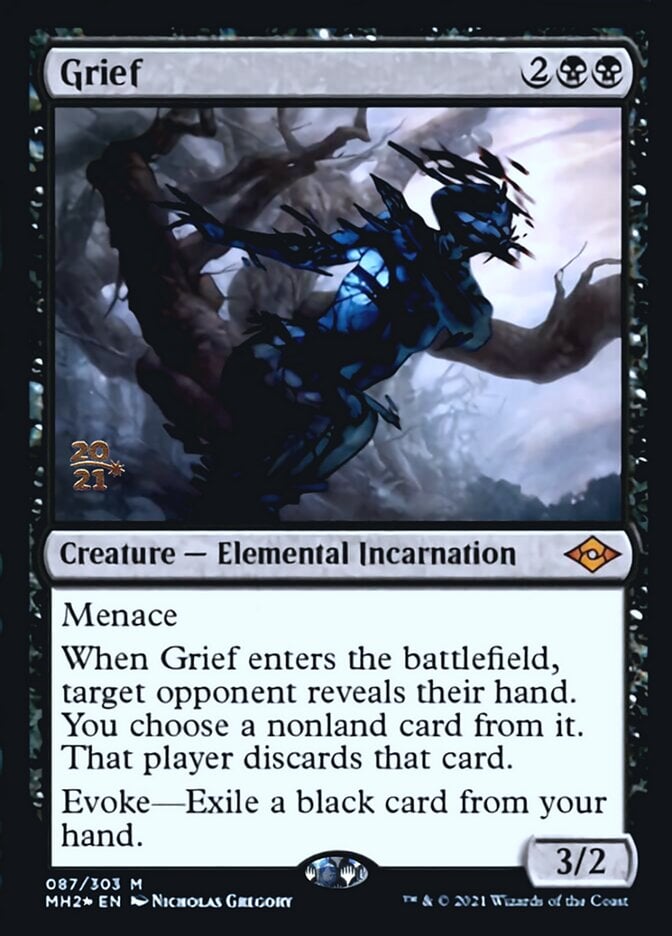
While Constructed all-stars like Thoughtseize and Grief rarely see play in Commander, they shine in Brawl, which is much closer to a format like Legacy than it is Commander.
Thoughtseize is best-in-class hand disruption. It’s especially useful at punishing greedy keeps; I’ve won many a game of Brawl by taking Cultivate and stranding 5-drops in my opponent’s hand.
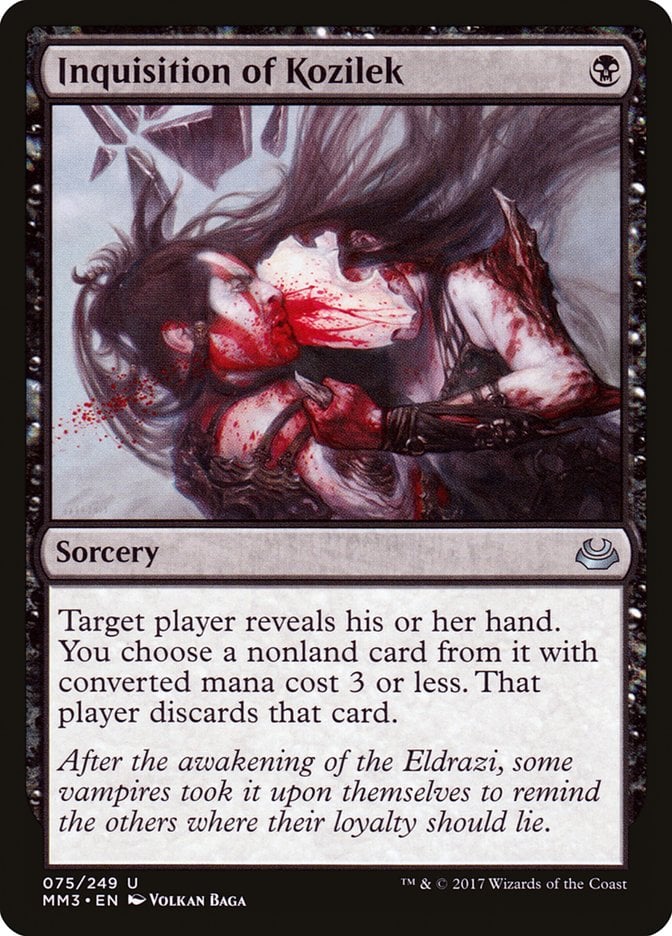
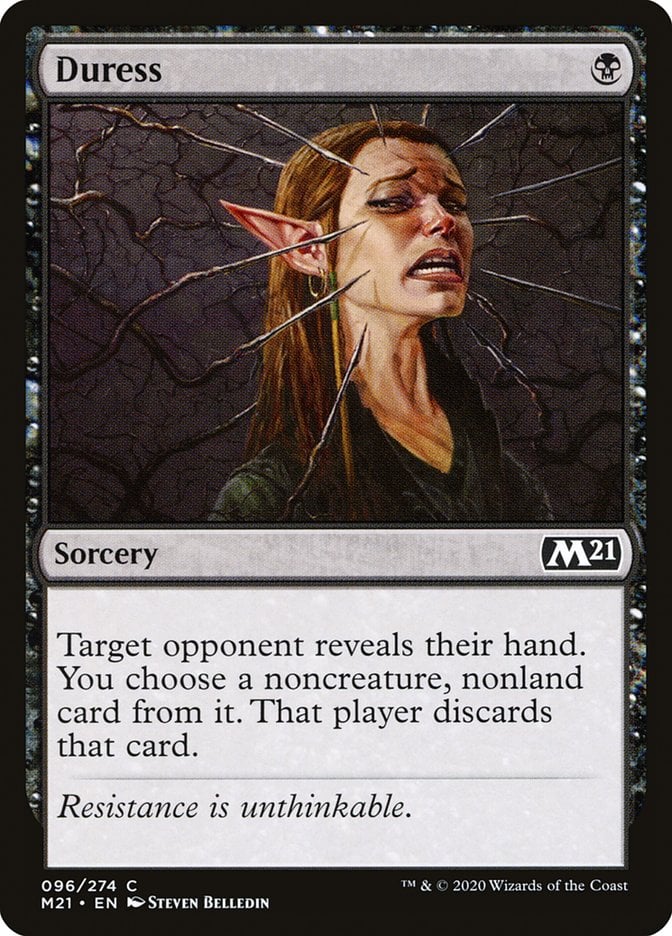
Inquisition of Kozilek and Duress don’t reach the heights of Thoughtseize, but they’re plenty useful early to gain tempo and late to sniff out removal or countermagic.
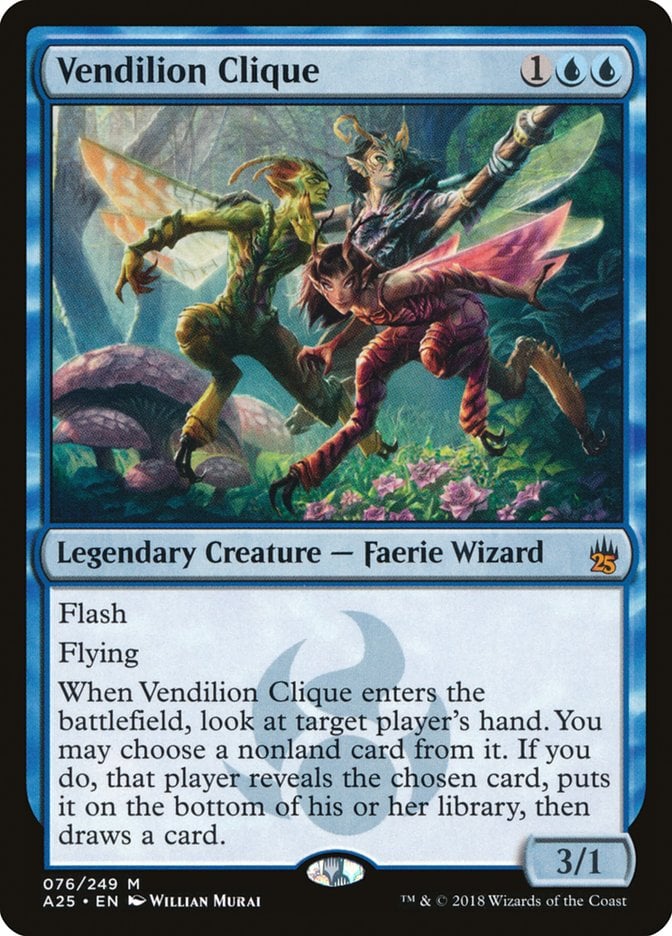

Vendilion Clique and Oildeep Gearhulk combine hand disruption and pressure into neat packages and play very nicely with your flicker spells.
Removal & Countermagic
Let’s take a moment to discuss removal, and how its role shifts between Brawl and Commander.
This deck has substantially more spot removal than you’d see in a Commander deck. That’s because the nature of the format is fundamentally different. You only have one opponent, and you start at a lower life total. One consequence of this is that you can’t count on your opponents to answer some threats at the table. Another is that cheap creatures become way better.

This deck can legitimately say Brazen Borrower and Vendilion Clique apply reasonable pressure, which you can’t say in Commander. That also means aggro decks are back on the menu, and some of the strongest in the format. You need the cards to handle an opponent playing creatures on turns 1 through 3, unless you enjoy dying on turn 4. I won’t go over every removal spell and counterspell, though I want to highlight the role of a few.
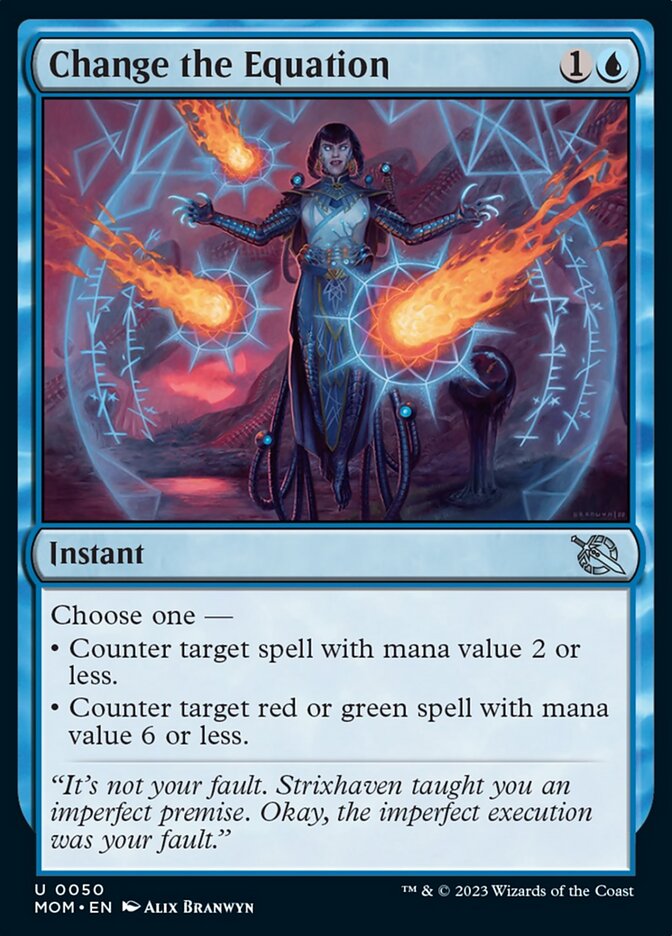
You might be surprised by Change the Equation in this deck, as it rarely sees play outside of Constructed sideboards. It makes the cut because green is one of, if not the best color in Brawl. Casting efficient ramp spells to accelerate out threats like Pantlaza, Sun-Favored and Roxanne, Starfall Savant is among the most effective strategies in the format. Change the Equation gives you a clean answer to all of that.

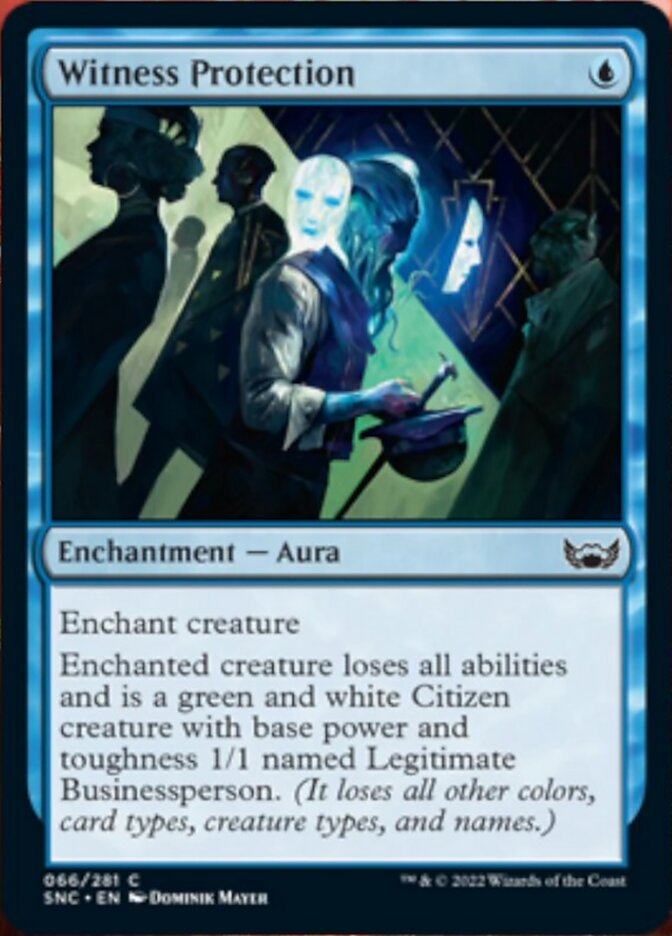
Unable to Scream and Witness Protection lock down opposing commanders so they don’t go straight to the command zone to be recast. They’re particularly potent against Golos, Tireless Pilgrim and Rusko since they’re annoyingly hard to kill.
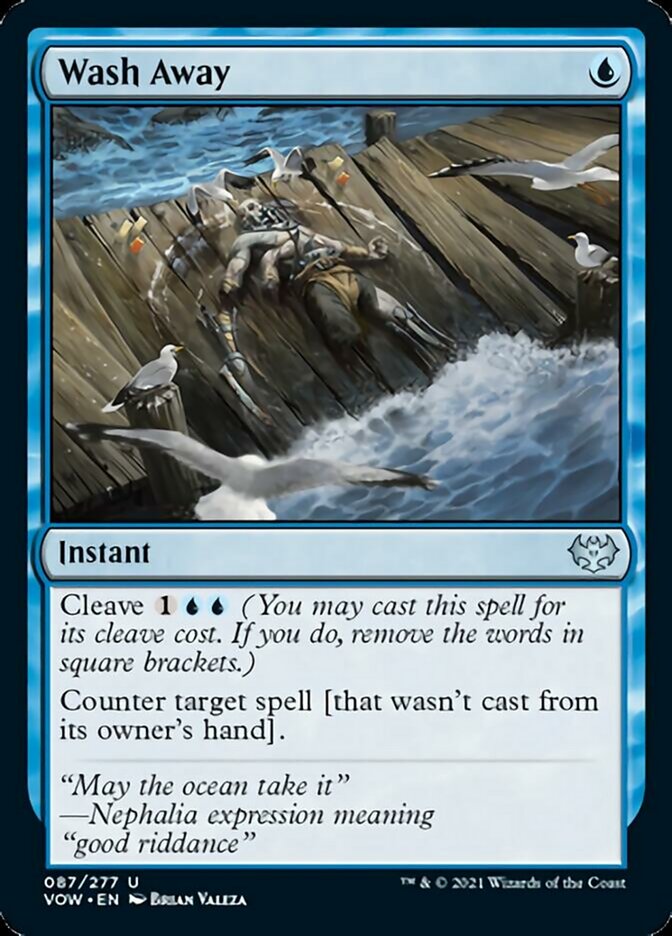

Wash Away and Tale's End mostly counter opposing commanders, though each has additional utility. You should always be aware of Wash Away in Brawl as practically every blue deck plays it.
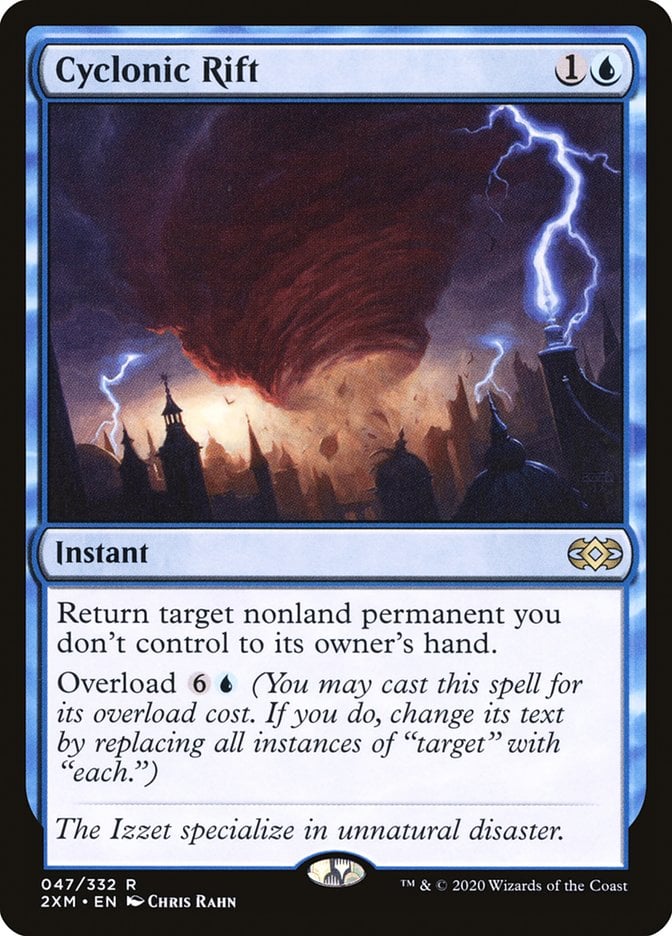
Many Commander staples fall off in Brawl, including but not limited to Rhystic Study and Smothering Tithe; Cyclonic Rift, however, is every bit as potent in this format, and one of its strongest board wipes.
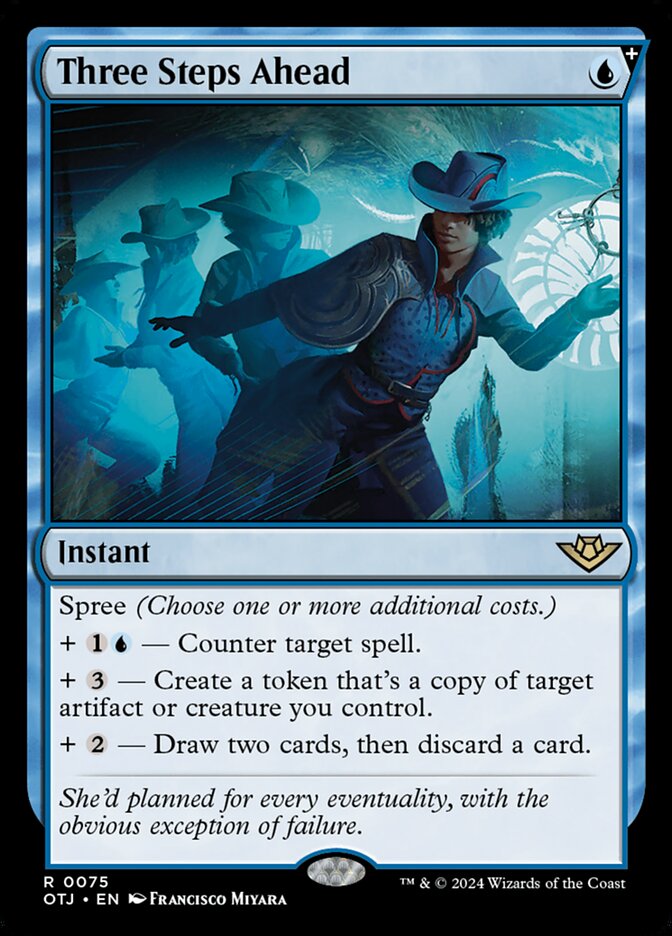
Three Steps Ahead is an amazing counterspell that also digs for gas and benefits from your strong enters abilities; copying a Grief in your opponent’s draw step is backbreaking.

Momentum Breaker provides a useful edict that plays well with Rusko, Clockmaker; your commander’s drain ability increases your speed without attacking. You also have several ways to flicker or bounce the enchantment for more edicts.
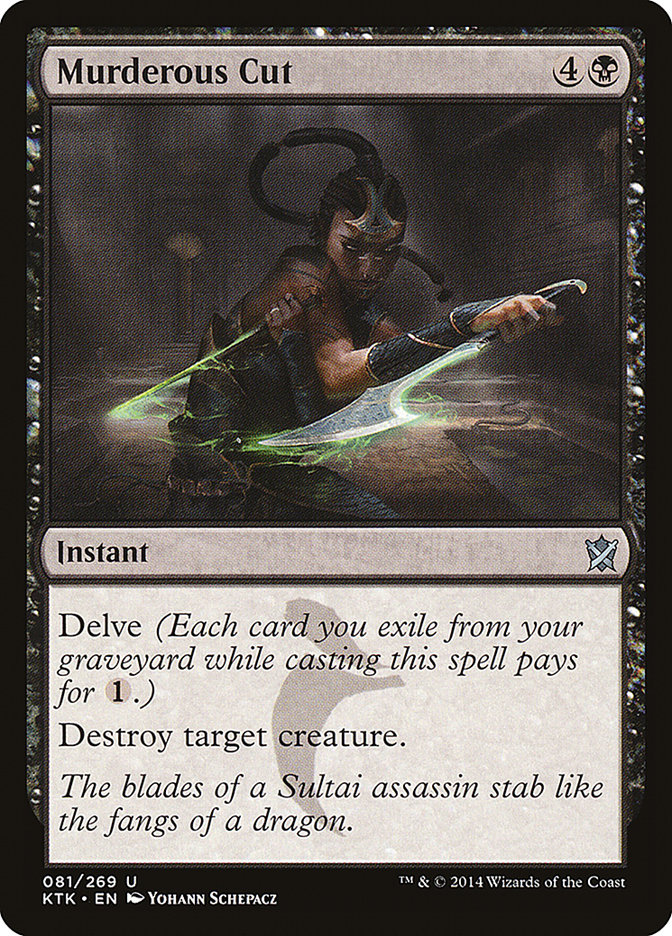
Murderous Cut clashes with this deck’s handful of recursion spells and the need to delve for Dig Through Time, but it makes the cut so that Kindred Denial has a 5-mana spell to seek.
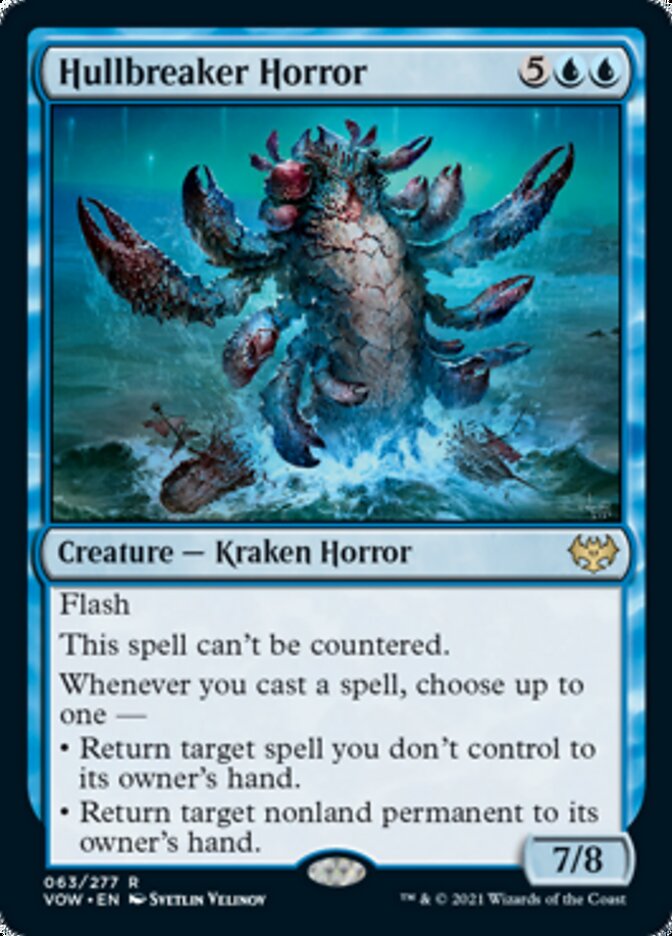
To reduce Hullbreaker Horror to a mere removal spell is to undersell the vast power this card offers. Does it provide effective removal and countermagic? Yes. But it also resets Oildeep Gearhulk, makes Momentum Breaker a morale breaker, and turns Rusko from an artisan to a factory. As a quick note, Hullbreaker Horror used to be an Alchemy-adjusted card with different text on Arena (a terrible choice, but I don’t have space for that rant), so it wasn't uncounterable in Brawl. It has since been reverted to its original version.
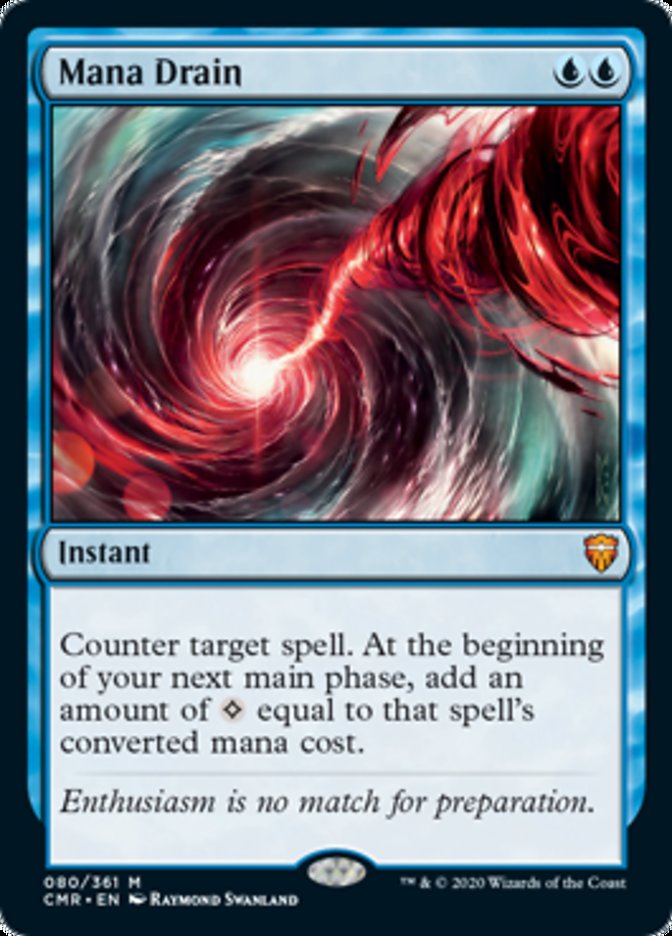
Mana Drain is one of Brawl’s best cards, with players frequently crying for its ban. This deck isn’t the best at exploiting it due its low curve and lots of reactive spells, but using this to jam Rusko, Clockmaker and Counterspell in the same turn often leads to an easy victory.
The Mana Base
The mana base is another area where Brawl and Commander diverge greatly. Commander decks require lots of ramp, largely because you need to either cast lots of spells or very big ones to overwhelm your three opponents. But Brawl decks shouldn’t pack their list with ramp and big threats.
When you build your deck that way, you expose yourself to a couple vulnerabilities. A good aggro deck runs you down while you spend a few turns ramping (something Commander players rarely worry about) or a deck like this one wins easily because you commit 5, 6, 7 mana to a threat it handles for 1 or 2, followed by plenty of card draw. Green decks are a bit of an exception to the rule, but that’s because they have access to tons of 1-mana accelerants to start ramping early and hard. And even the green ramp decks tend to ramp into mid-cost threats like Pantlaza, Sun-Favored and Roxanne, Starfall Savant rather than true battlecruisers.
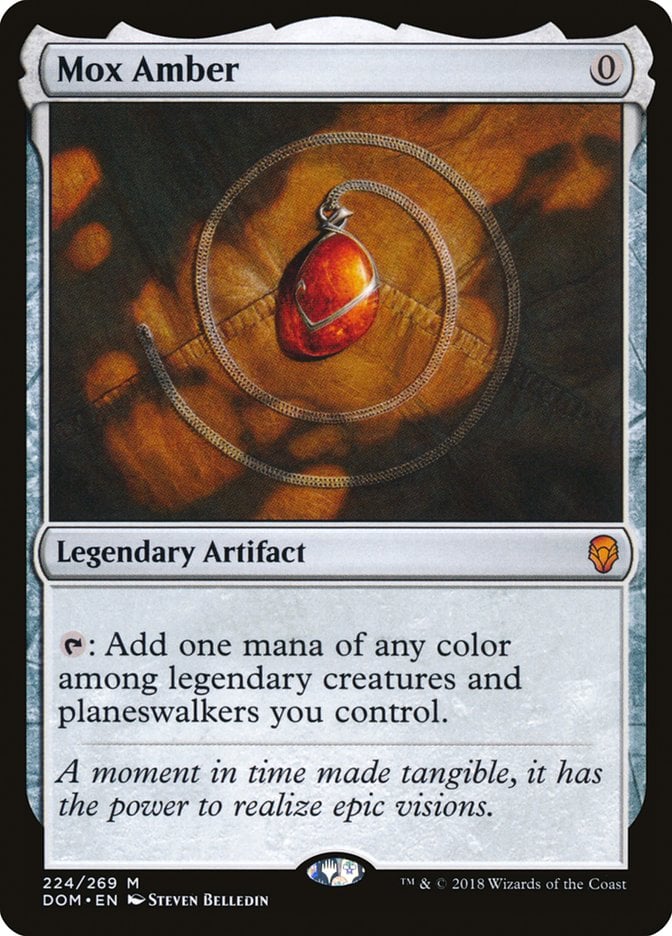
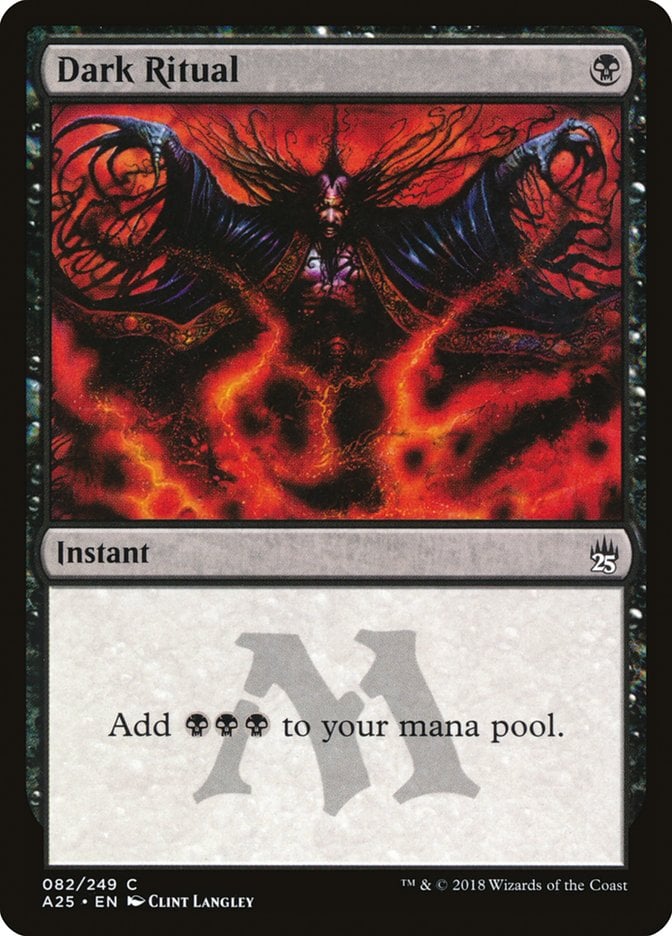
This deck’s mana base reflects this with a mere two ramp spells: Mox Amber and Dark Ritual.
Mox Amber makes the deck only because Rusko cares about casting noncreature spells, and because I can hold up 2-mana interaction the turn I play Rusko if I have this in play.
Dark Ritual is another of Brawl’s boogiemen. Rituals are risky since they set you up for an easy two-for-one, but landing cards like Grief and Rusko on turn 2 is well worth the risk.


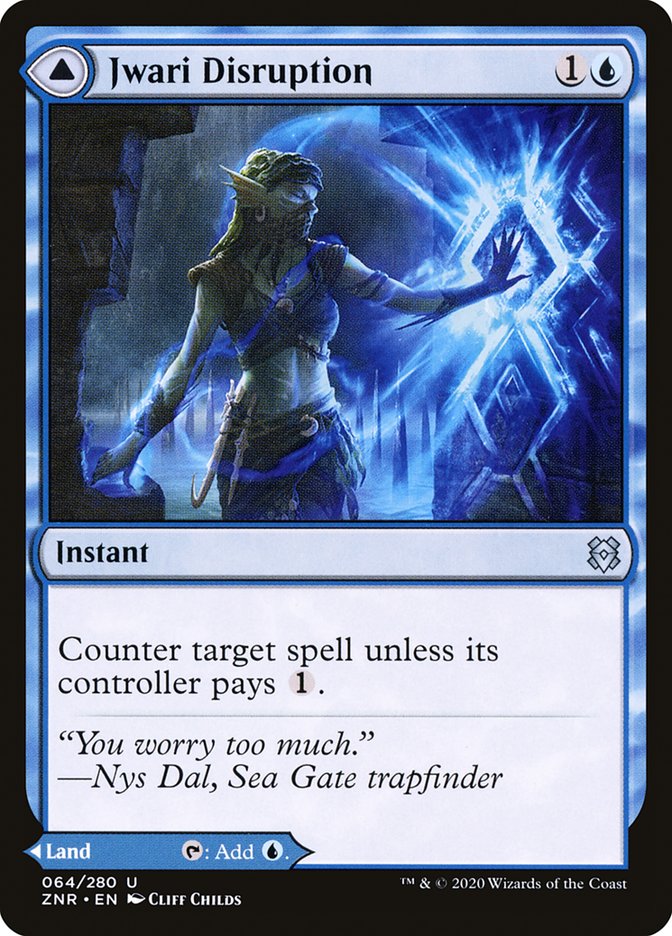
I’m as big a fan of MDFCs in Brawl as I am in Commander, though paying life for the lands to enter untapped has a higher cost. Still, I’m happy to enrich my removal suite with cards like Sink into Stupor, Fell the Profane, and Jwari Disruption.
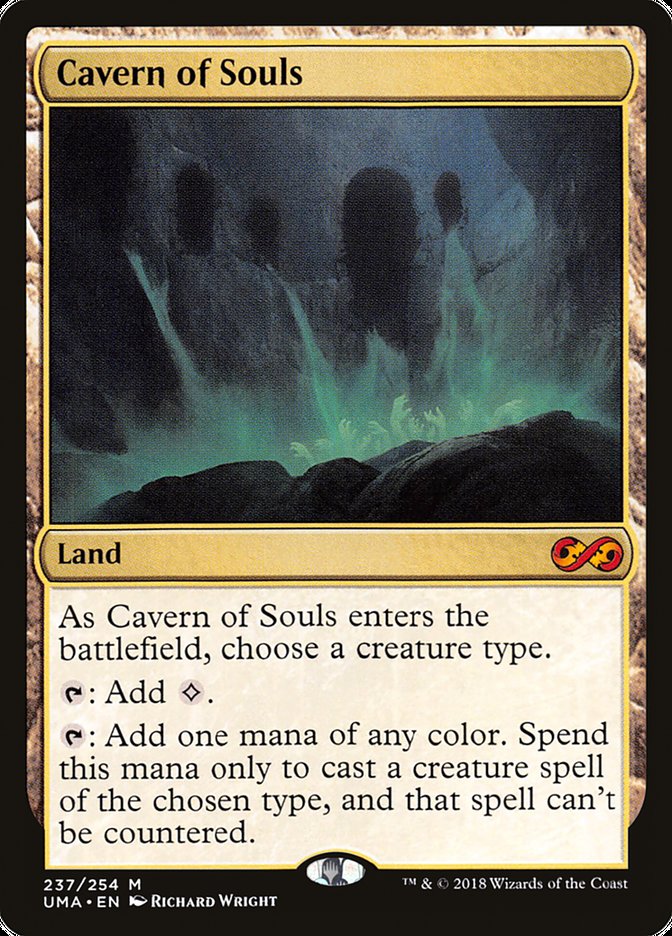
Most Brawl decks play Cavern of Souls for their commander out of respect for Wash Away and Tale's End and the overall high interaction counts.
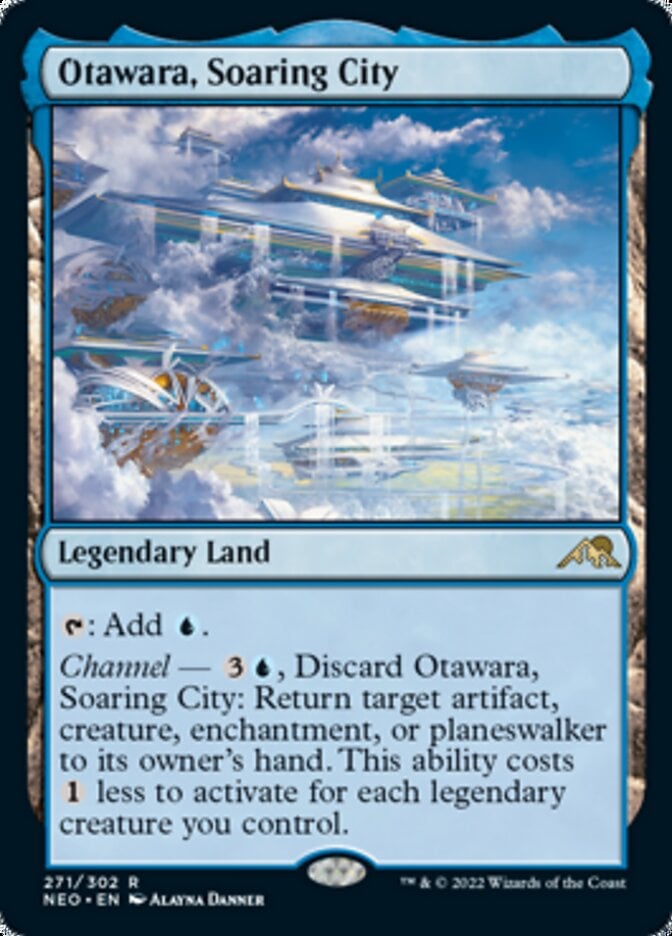
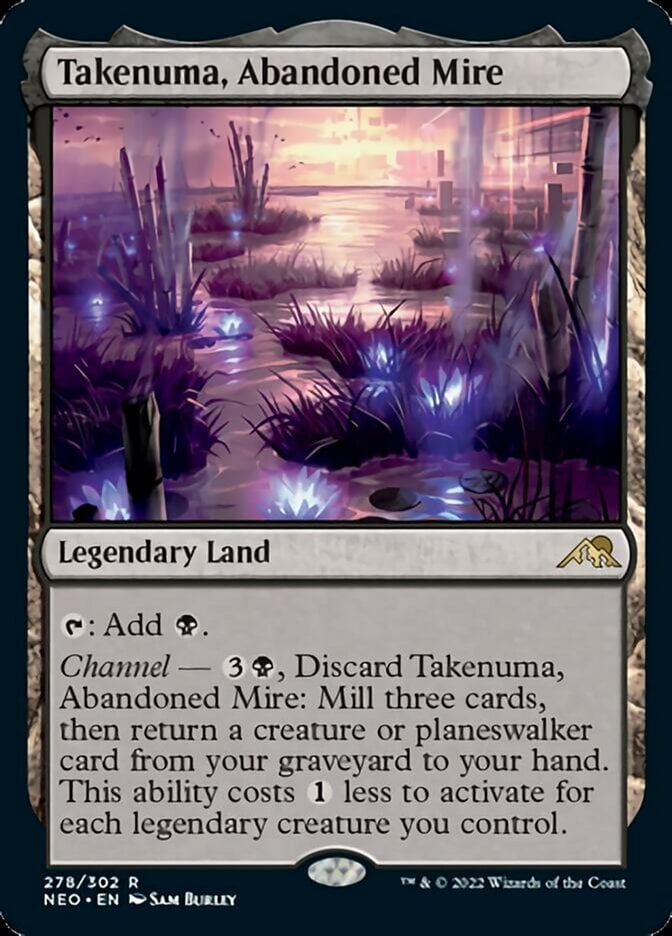
A handful of utility lands give you extra value; Otawara, Soaring City and Takenuma, Abandoned Mire put in as much work here as in EDH proper.
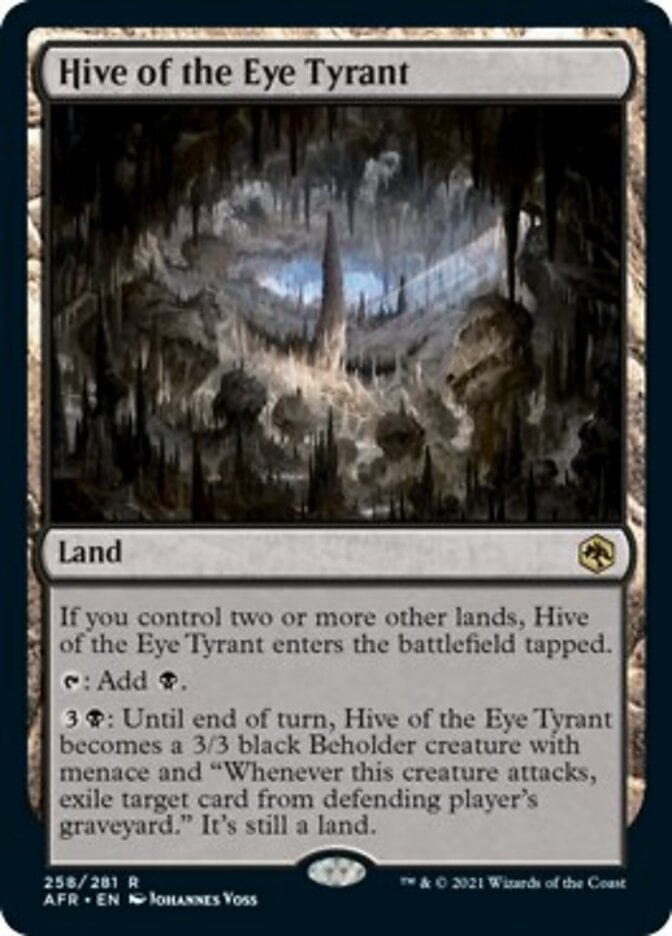
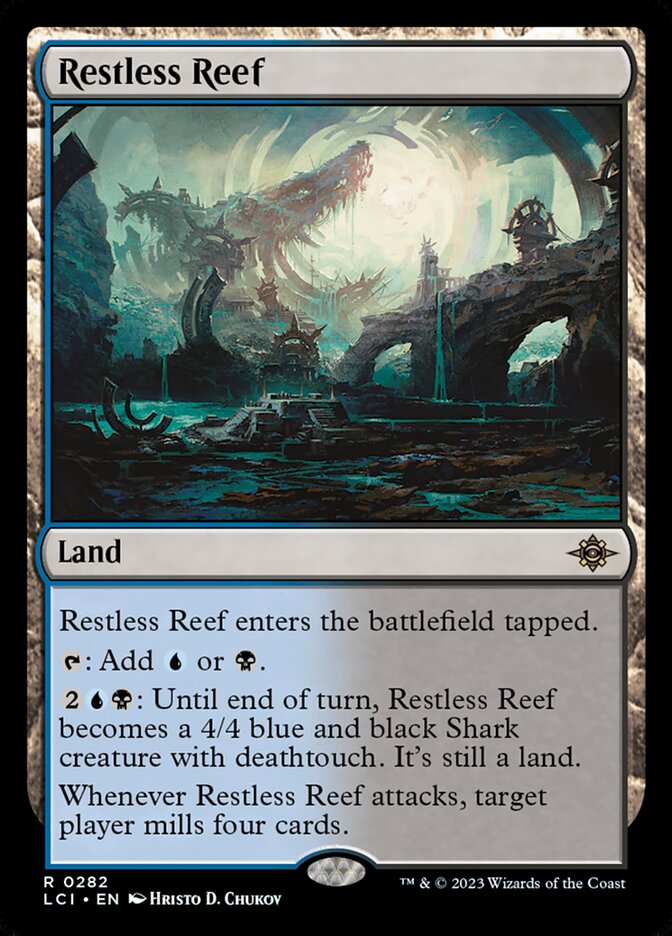
Creature lands become more impactful in Brawl, as the lower life totals make attacking your opponent for 3 or 4 damage via Hive of the Eye Tyrant or Restless Reef a more viable win condition.
Beyond these cards, you have the usual fixing suspects with shocks and fetches and other dual lands. I generally run fewer lands in Brawl than Commander—36, including my MDFCs, which is about five fewer than I go for in EDH—out of respect for the lower mana cost. Ideally, your Brawl decks should always have a tighter mana curve than in Commander.
The Strategy
You should never keep an opening hand without interaction (which this deck rarely struggles with). And early interaction, at that; you can’t count on having time to develop your game plan in this format like Commander. You need to be impacting the board by turn 2 or 3.
Take your opponent’s commander into consideration while making your mulligan choices, as some cards can grow stronger or weaker; for example, Stern Scolding is amazing into that Ajani, Nacatl Pariah player and much less meaningful against a planeswalker. Be mindful of what their commander suggests; something like Ajani or Adeline, Resplendent Cathar is hardcore aggro 99% of the time, and you should mulligan appropriately. On the other hand, Chromium, the Mutable and Nicol Bolas, God-Pharaoh are almost always control decks.
Pretty much any green deck runs the full gamut of 1-mana accelerants available in Brawl, which includes cards like Birds of Paradise and Llanowar Elves; you should practically always mulligan to an answer, especially on the draw.
Lastly, be mindful of where you point your removal. It can be tempting to just fire it off, but ask yourself if the card you’re hitting is a real threat and if you’re using the most appropriate removal spell. Hitting the turn-1 Ragavan, Nimble Pilferer with Stern Scolding seems tempting, but it won’t do anything until your next turn; maybe you should hold the counterspell and use your Bloodchief's Thirst instead. On the other hand, perhaps your opponent’s commander is a planeswalker and Thirst is your only answer. In that case, you should Scold the monkey. These sorts of micro decisions are incredibly important and can make or break your game.
Combos and Interactions
This deck has some potent combos and interactions, including one infinite loop.
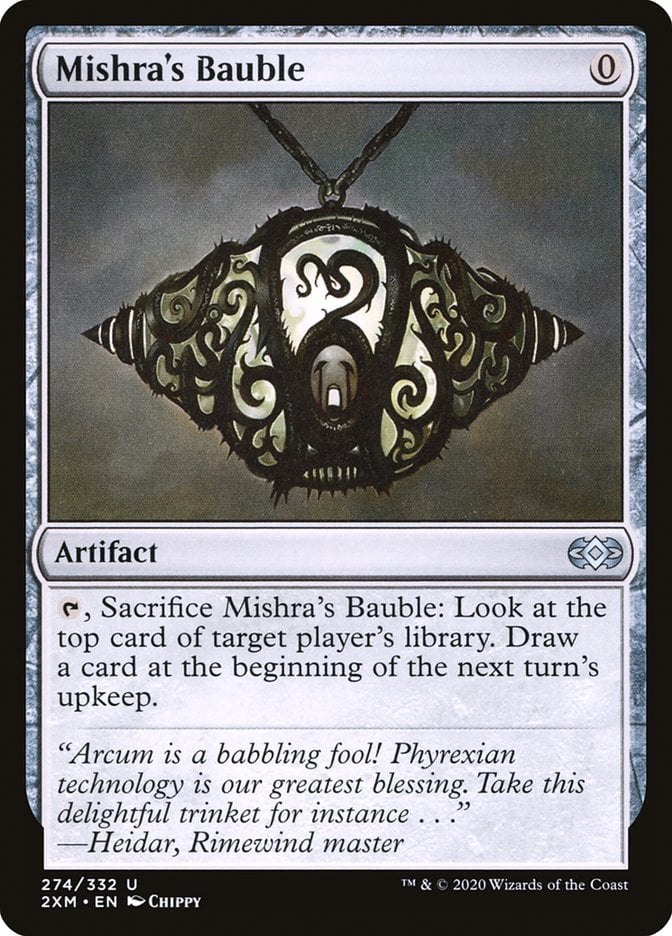
Hullbreaker Horror, Mox Amber, and Mishra's Bauble generates infinite mana and infinite storm. You can also use Agent of Raffine and Mox Amber, though you don’t generate mana—but the mana doesn’t really matter.
Rusko’s drain ability is your only outlet for the combo. Be careful about how you stack your triggers for this combo! Always resolve Rusko’s ability before Hullbreaker Horror’s; Rusko trigger eventually spins your Midnight Clock, and the wrong sequencing could shuffle away one of the combo pieces.
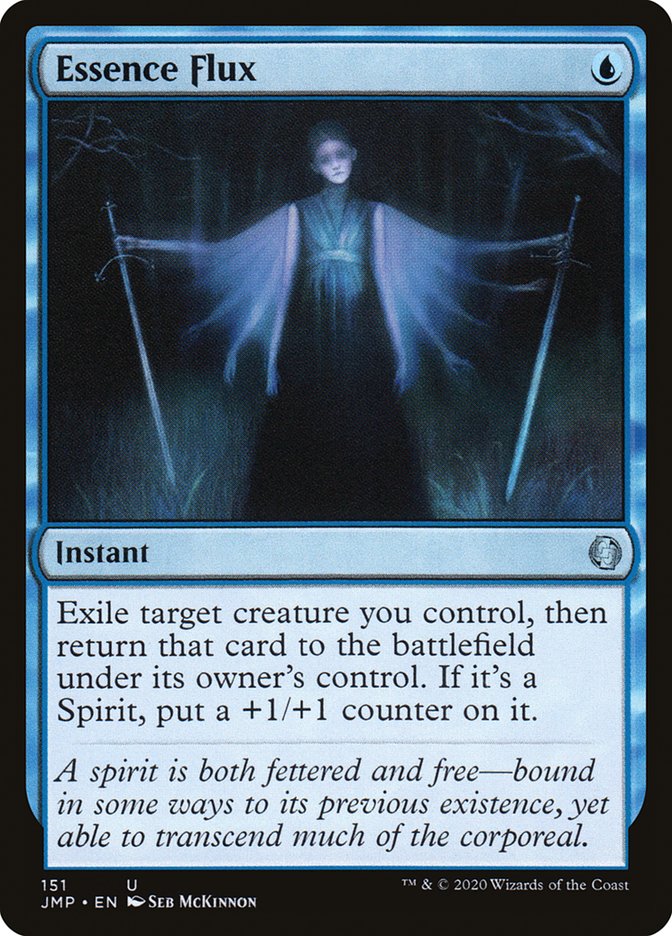
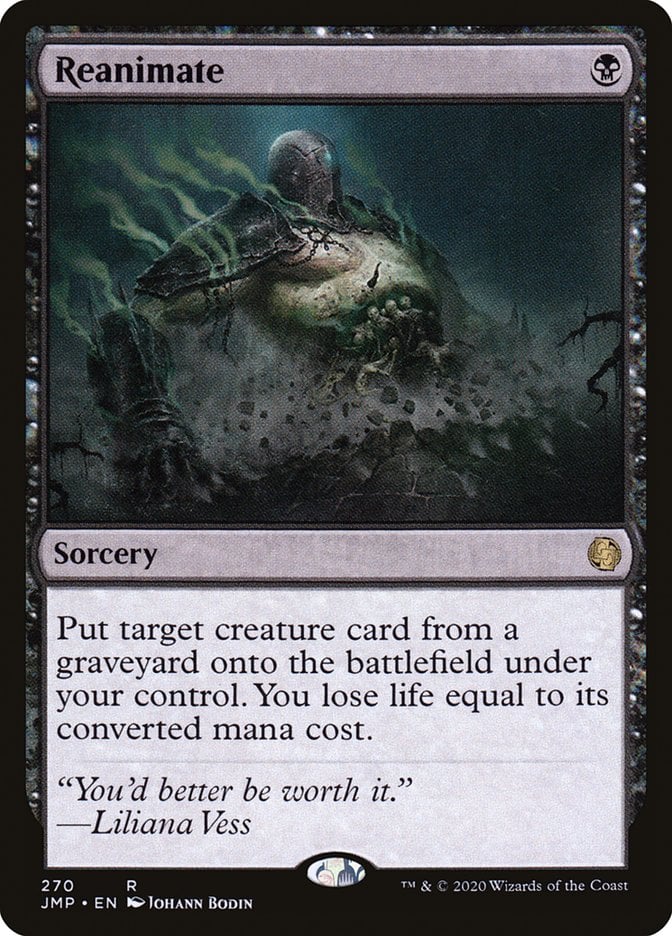
You also have a few ways to scam your opponents with Grief; turn 1, you can evoke Grief, then use Essence Flux or Reanimate to reset it, swiping two cards from your opponents and landing a threat. Your 2-mana flicker spells work here as well.
Reanimate also plays nicely with Thoughtseize, often to steal an opposing threat but occasionally to make you discard Hullbreaker Horror for a swift win.
Wildcard-Friendly Alternatives
Building budget decks on Arena works differently than in paper since cards cost wildcards, so these “budget” swaps don’t reflect the price of the card but their rarity, with the goal of trading rare or mythic wildcards for common or uncommon substitutes. As is, the deck consumes 15 common, 28 uncommon, 41 rare, and 7 mythic cards.

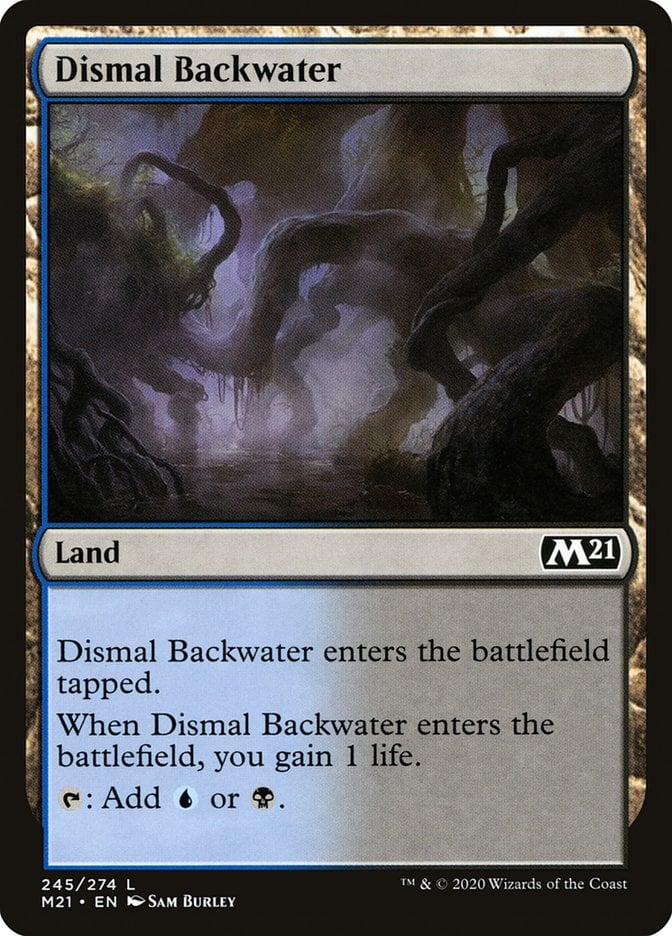
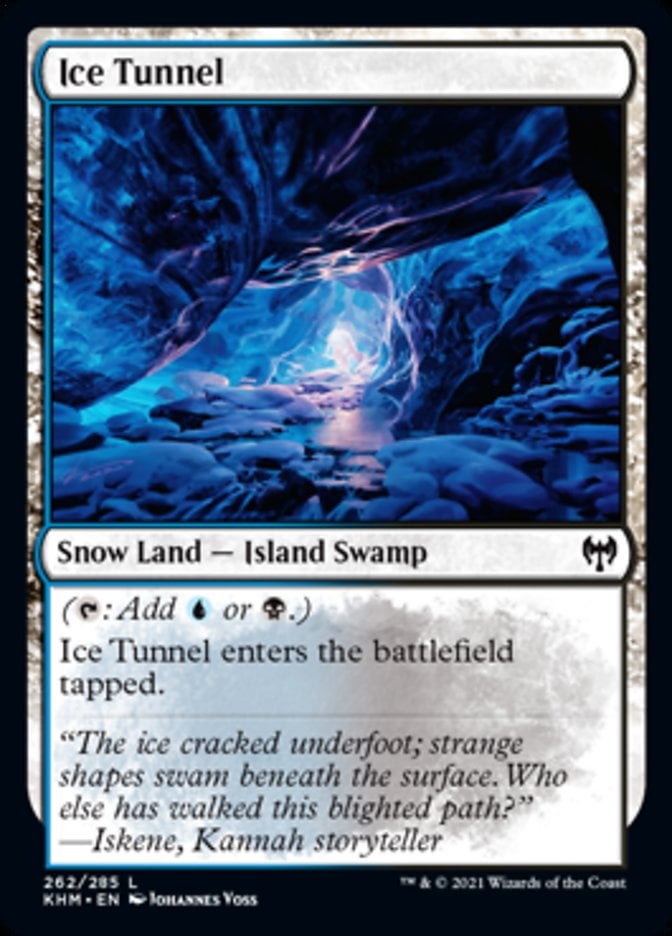
You can easily trim the rare wildcard count by addressing the mana base. Arena has plenty of budget land staples, including Dimir Guildgate, Dismal Backwater, and Ice Tunnel that can replace all the rare duals. Trimming every rare land saves you 18 rare and one mythic wildcard—almost half of the deck’s “cost.”
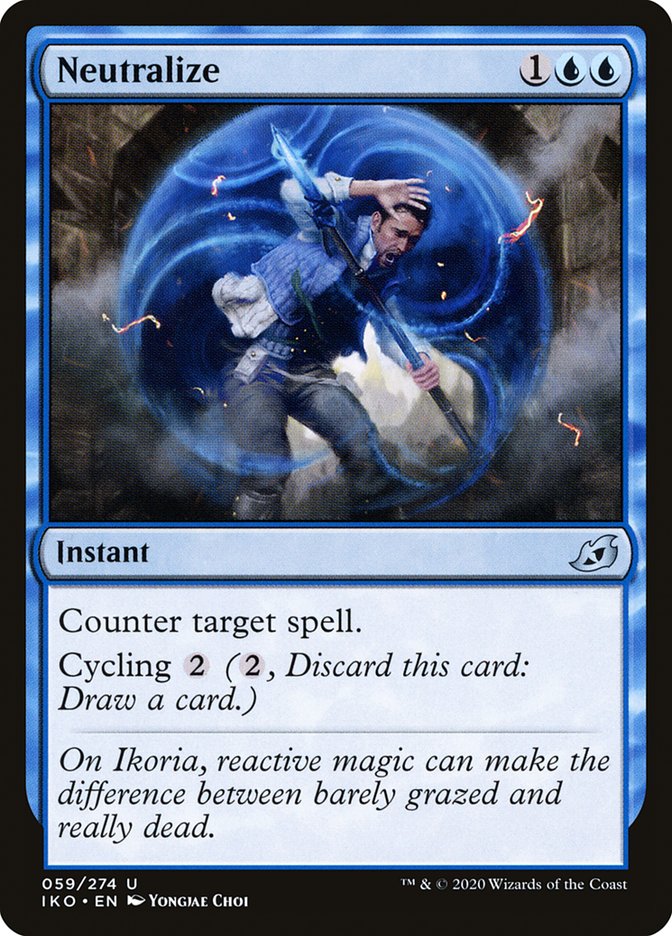
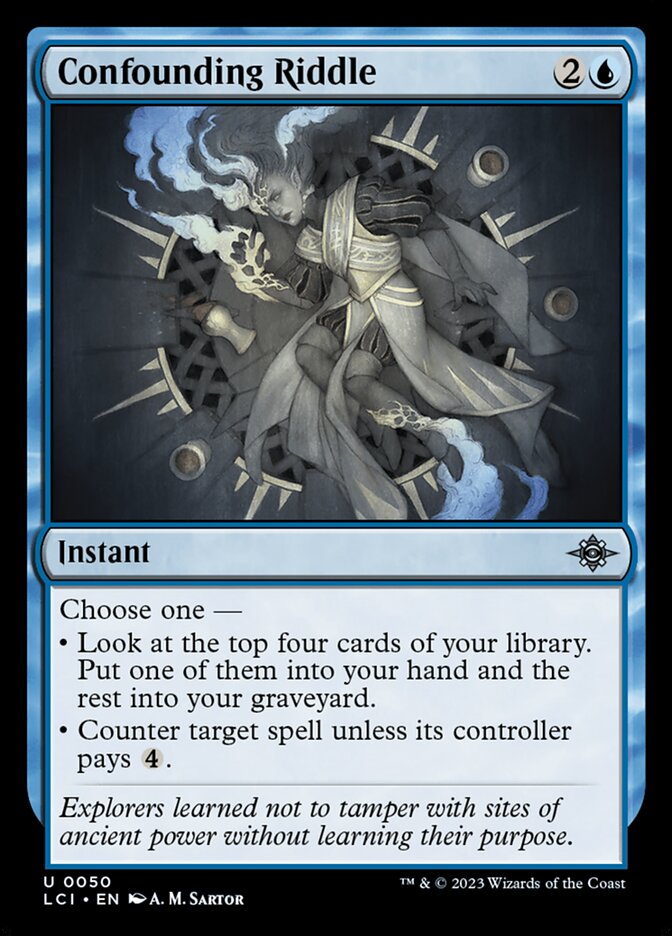

Rare and mythic counterspells like Mana Drain, Three Steps Ahead, and Memory Lapse have no shortage of uncommon or common replacements; a few suggestions include Neutralize, Confounding Riddle, and Dispelling Exhale.
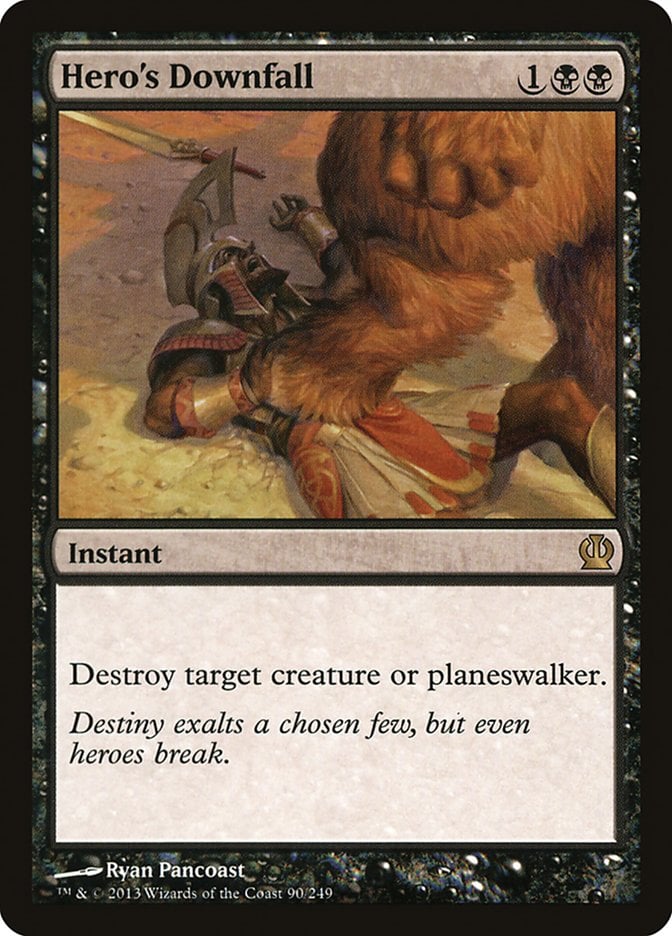
Murderous Rider could become Hero's Downfall.
Mox Amber is far from critical, and you can cut it for anything you want to add.
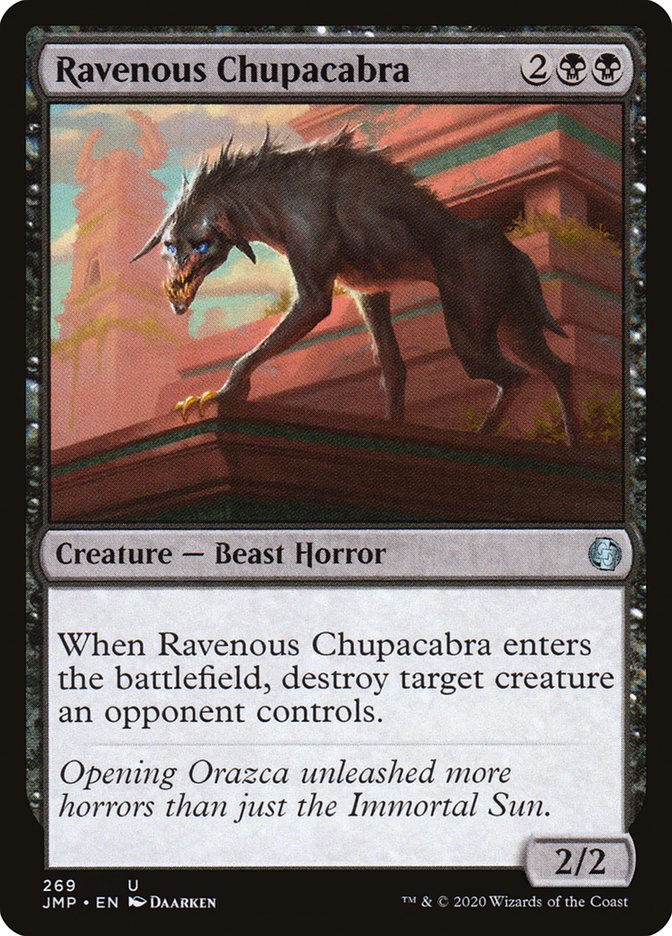

You can replace Ertai Resurrected with Ravenous Chupacabra to retain flicker value; same with Aether Channeler and Nightclub Bouncer.
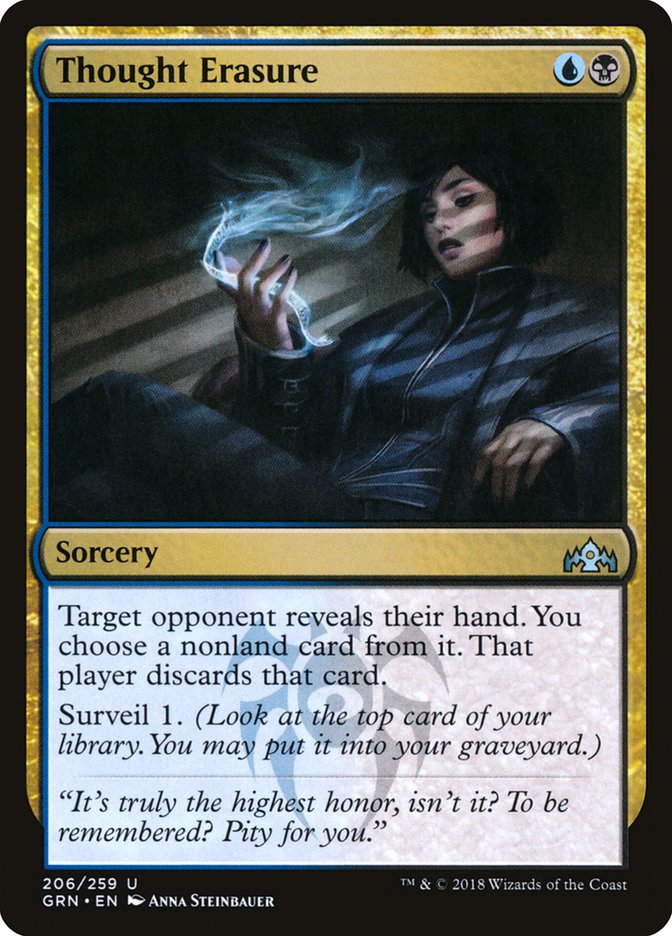
You can take out Thoughtseize and Inquisition of Kozilek in favor of Thought Erasure or similar cards.
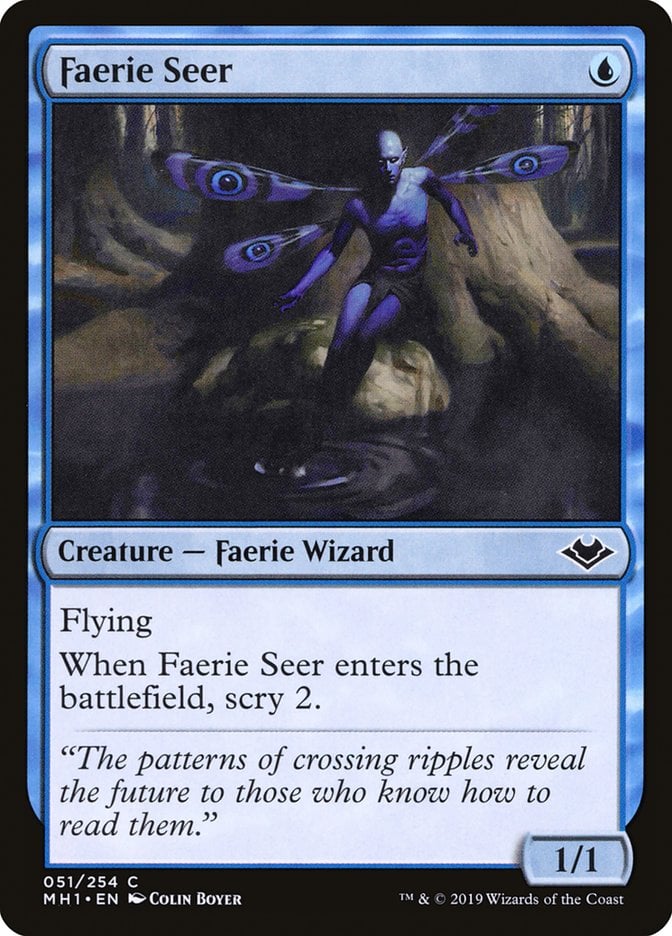
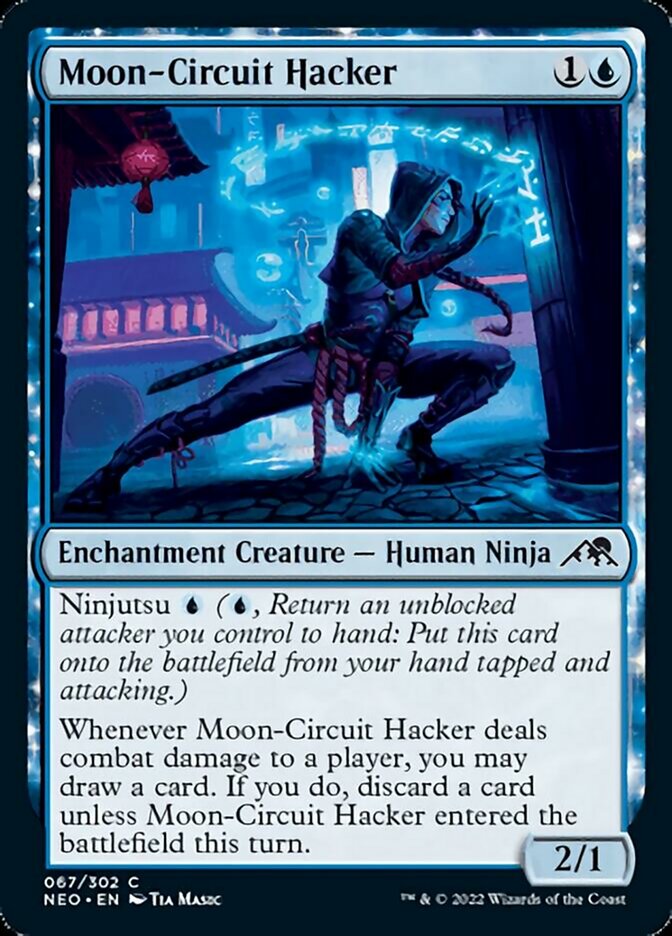
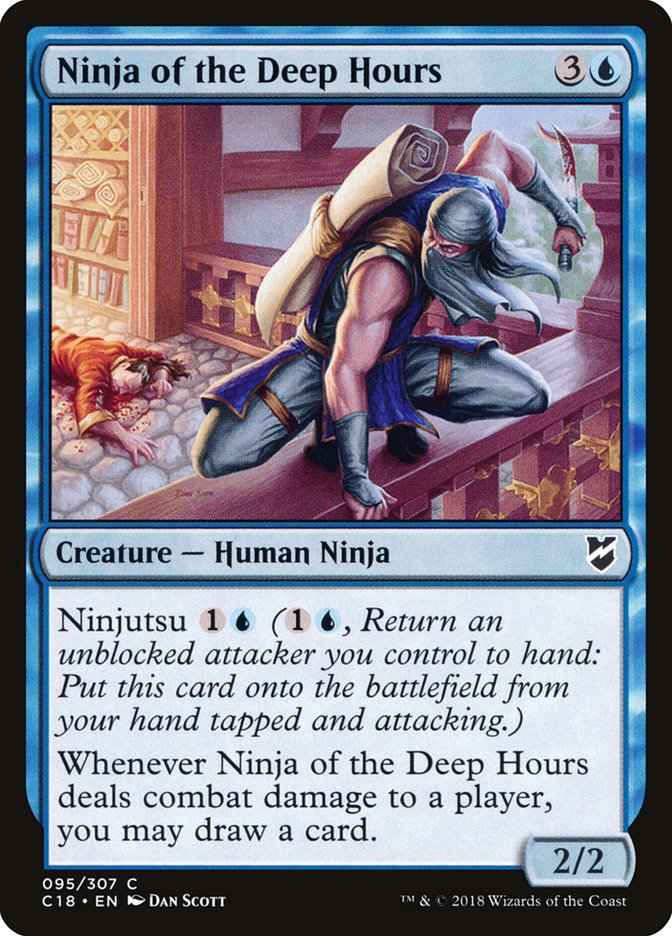
The deck’s threats are much harder to replace. I suggest two paths: You can build around creatures with strong enters abilities and low rarity like Nightclub Bouncer and Ravenous Chupacabra for blink value, or you can attempt to sub in more evasive creatures like Faerie Seer plus ninjas like Moon-Circuit Hacker and Ninja of the Deep Hours to extract a bunch of value from your creature base.
Other Builds
You could take Rusko, Clockmaker down a more focused flicker game plan by ditching some of the creatures without enters abilities like Lazav and some of the removal for cards like Ravenous Chupacabra and Acquisitions Expert, then add additional flicker spells like Blur and Displacer Kitten. I don’t think that’s the best way to build Rusko; Brawl misses out on lots of strong flicker spells like Ghostly Flicker, but it’s viable.
You could also go much deeper into a control deck, ditching creatures like Graveyard Trespasser and Aether Channeler to make the deck less reliant on its board and pulling in a variety of sweepers and additional card draw.
Adapting for Commander
While Rusko, Clockmaker has a paper printing thanks to Mystery Booster 2, it has an acorn due to the keyword conjure. Thankfully, you can easily address this in the Rule 0 conversation: Since it conjures Midnight Clock straight to the battlefield, you can just pretend it makes token copies the way Tarmogoyf Nest copies Tarmogoyf.
As for how I’d change the deck, it’d require sweeping changes to address how different the removal suite and mana bases are. I’d zero in on those flicker strategies I dismissed because Commander cracks it wide open; not only do you get better flicker cards, but you also get better flicker targets and more time to develop threats like Grave Titan and Marang River Regent that exploit those flicker effects. Using flicker spells and creatures to control the board while Rusko pressures your opponents and refills your hand every couple of turns sounds devastating—for them.
Commanding Conclusion
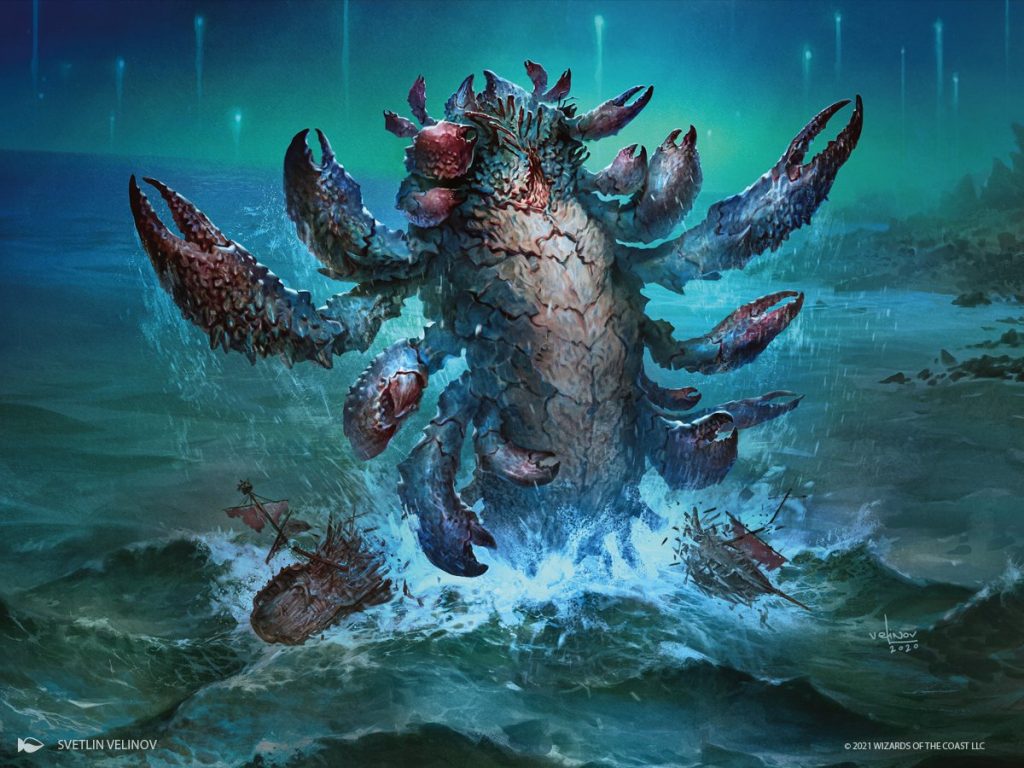
Hullbreaker Horror | Illustration by Svetlin Velinov
Brawl might have been built in Commander’s image, but a few differing traits make it a wildly different format. The 1v1 nature and lower life totals make aggro more viable and generally pushes decks to perform faster, with more slots dedicated to interaction and less to ramp and explosive play, as this Rusko, Clockmaker deck demonstrates.
What’s your favorite Brawl commander? Do you prefer Brawl or Commander? Let me know in the comments below or on the Draftsim Discord!
Stay safe, and thanks for reading!
Follow Draftsim for awesome articles and set updates:










Add Comment